06/24/2026
Ep # 99 Gigantic Ichthyosaurs, Enormous Octopuses and the Importance of Museums with Makoto Manabe
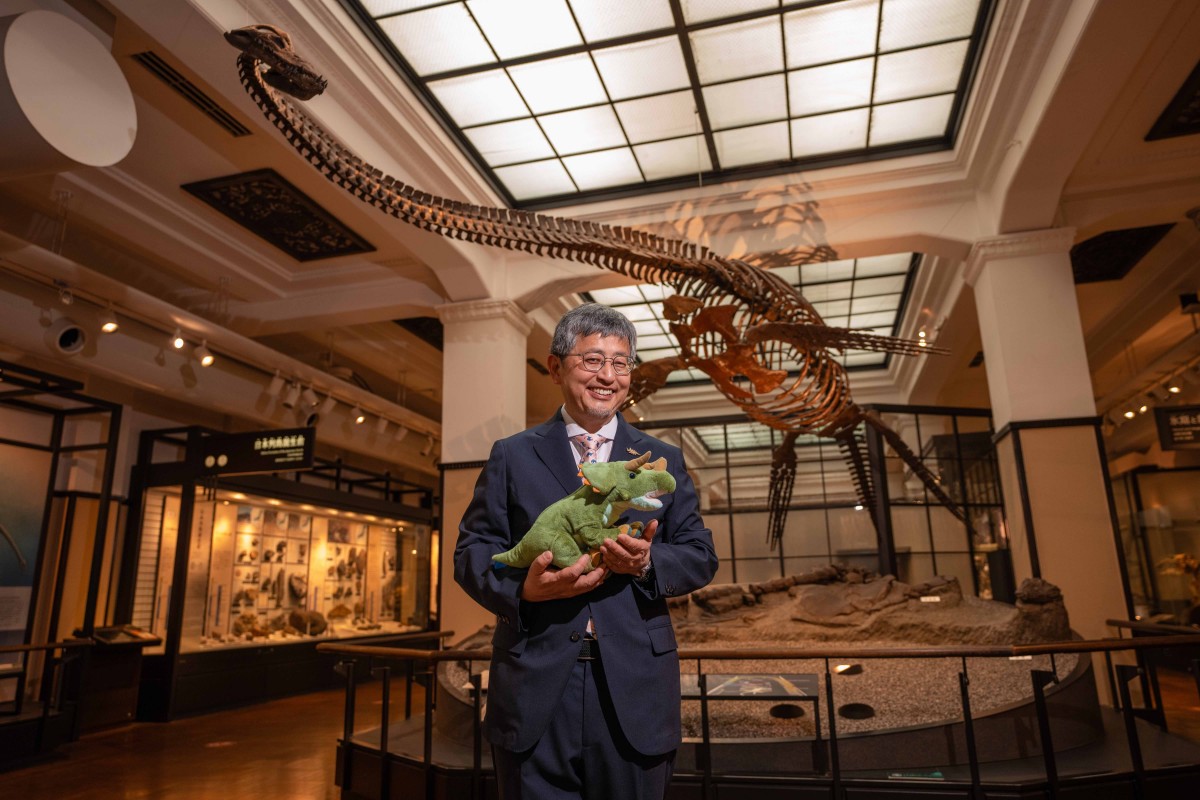
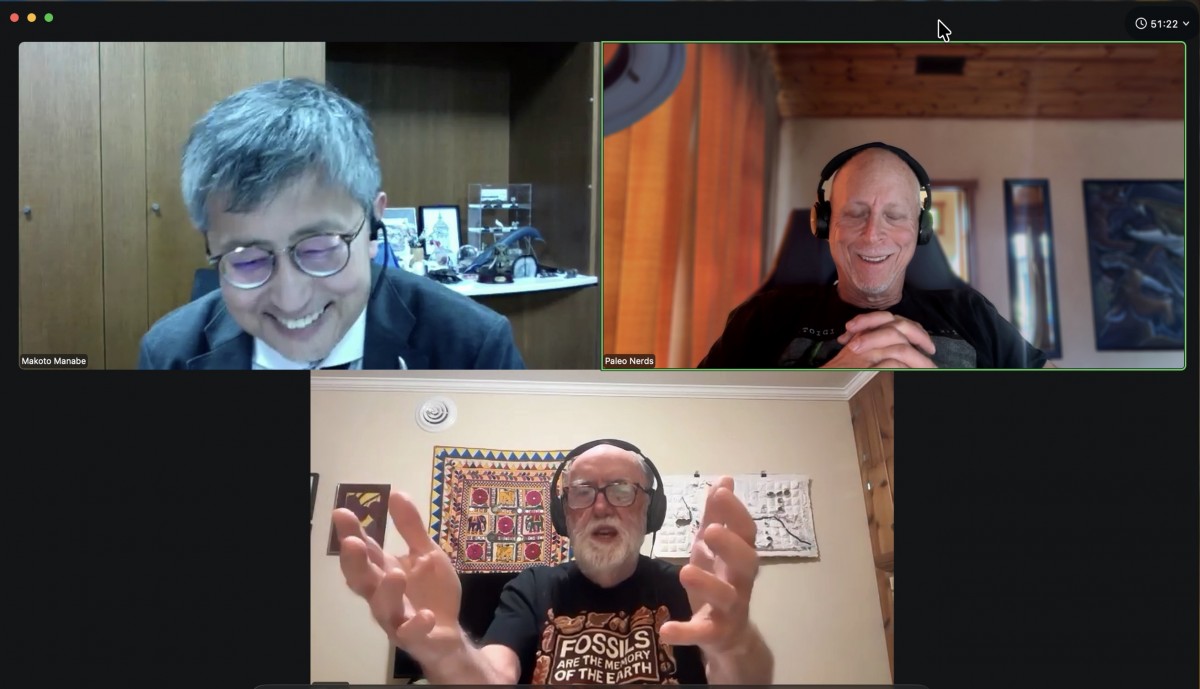
Ray and Dave interview worldly traveled and renowned Japanese paleontologist and curator who was just appointed President and Director General of the National Museum of Nature and Science in Tokyo
Ep #99
Gigantic Ichthyosaurs, Enormous Octopuses Octopuses, and the Importance of Museums
with Makoto Manabe
PRE-SHOW LINKS
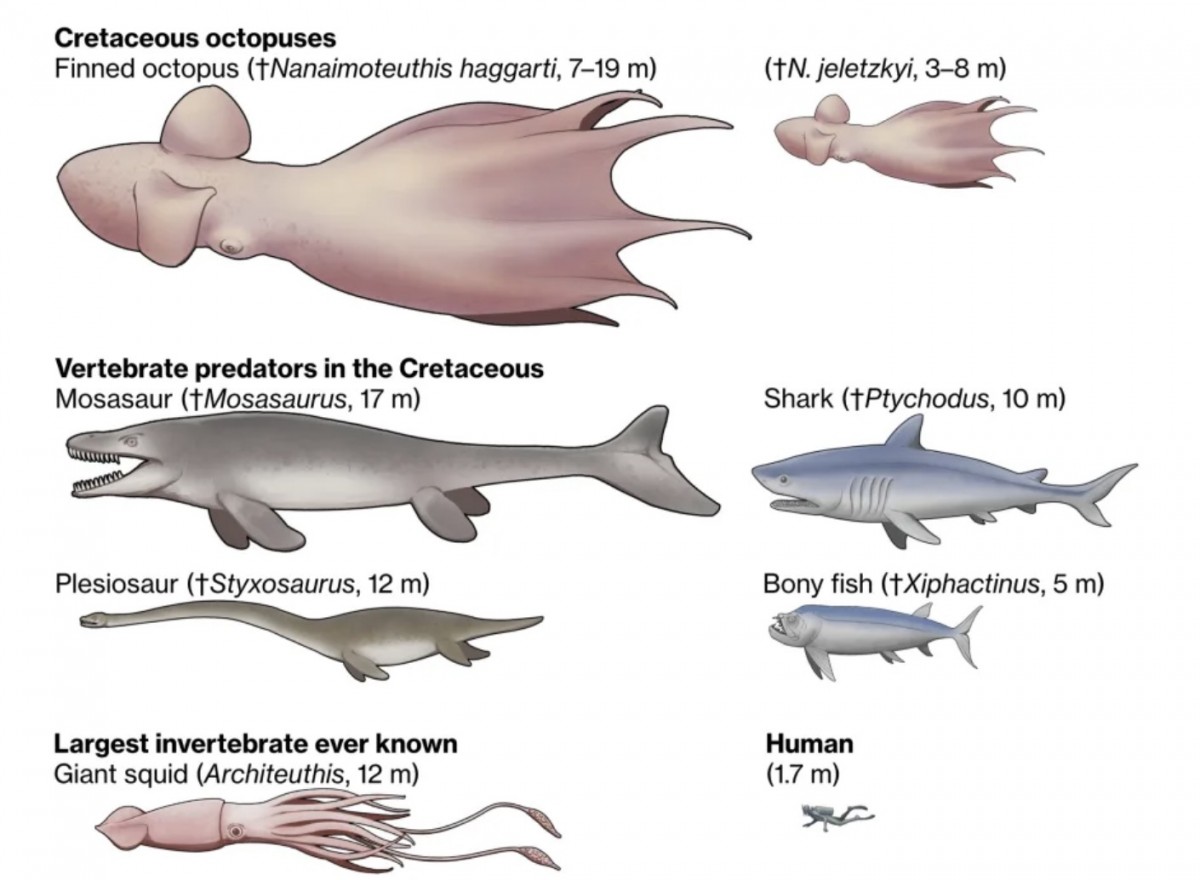
The deep ocean keeps offering up surprises, and few are stranger than a Cretaceous octopus the size of a school bus, recently described as Nanaimoteuthis haggarti and a vivid reminder of just how enormous soft-bodied cephalopods once grew.
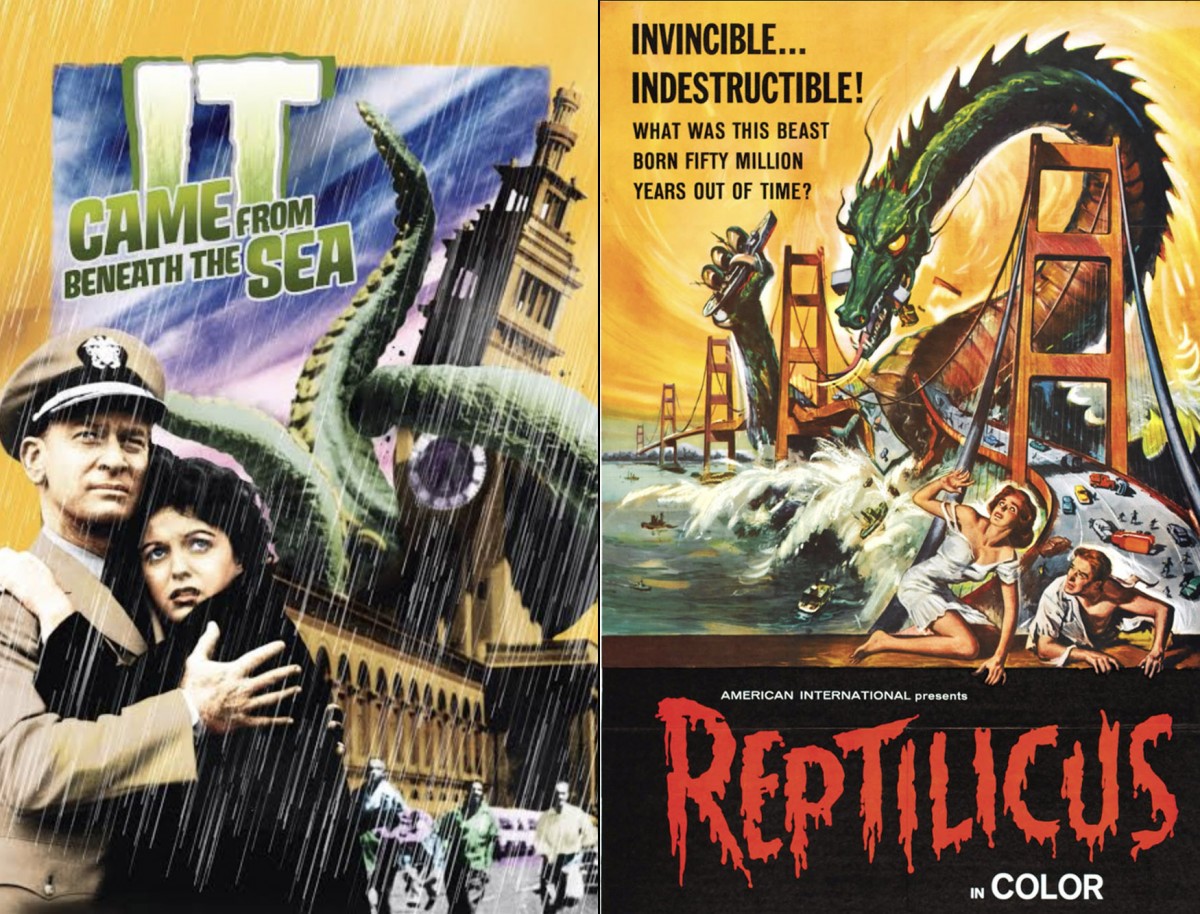
While talking about the giant octopus and horror movies we saw as kids, David mentions the film Reptilicus he loved as it was about a dragon-like creature that could never be shot at because it would replicate into millions of completely new individuals. While discussing animals that can replicate themselves, Ray brings up the Naples marine biologist Ferdinando "Nando" Boero, who is fascinated with the immortal jellyfish, a creature capable of reverting to its juvenile polyp stage and cycling through its life indefinitely.
INTERVIEW LINKS
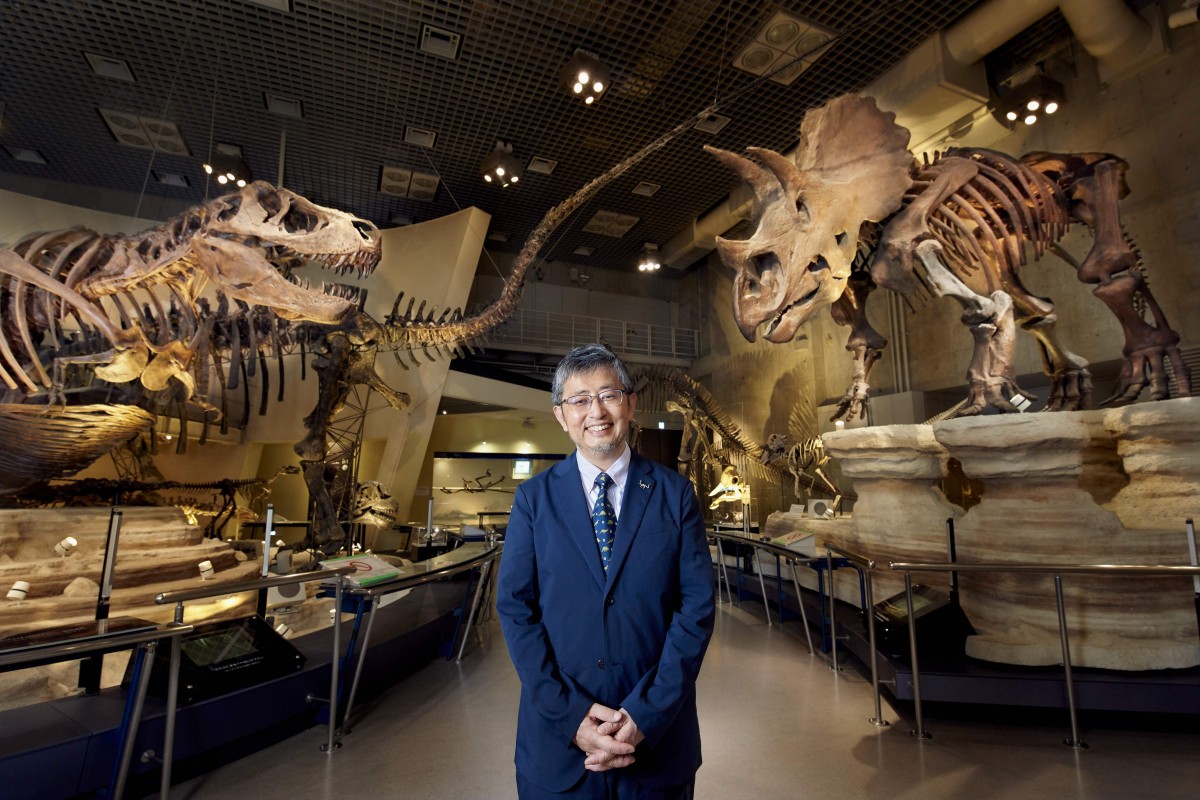
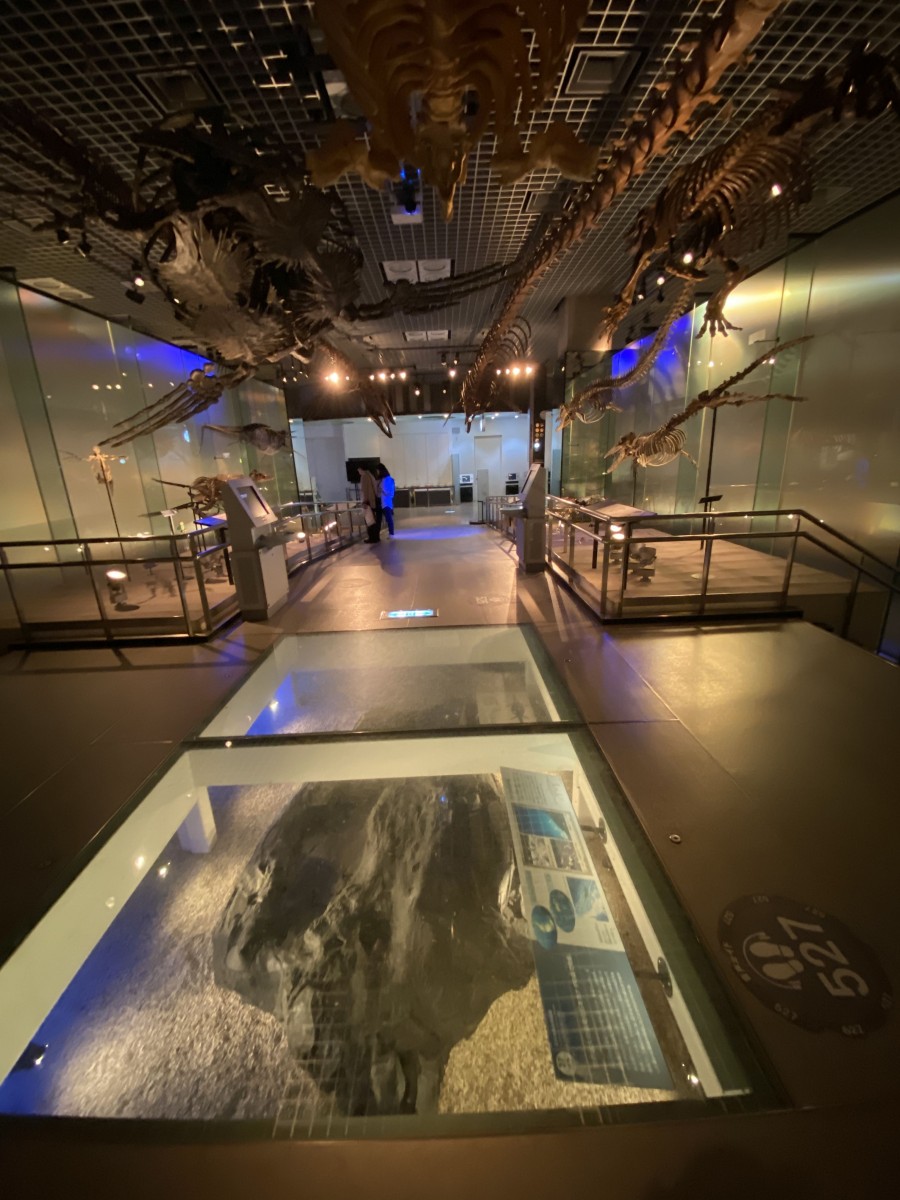
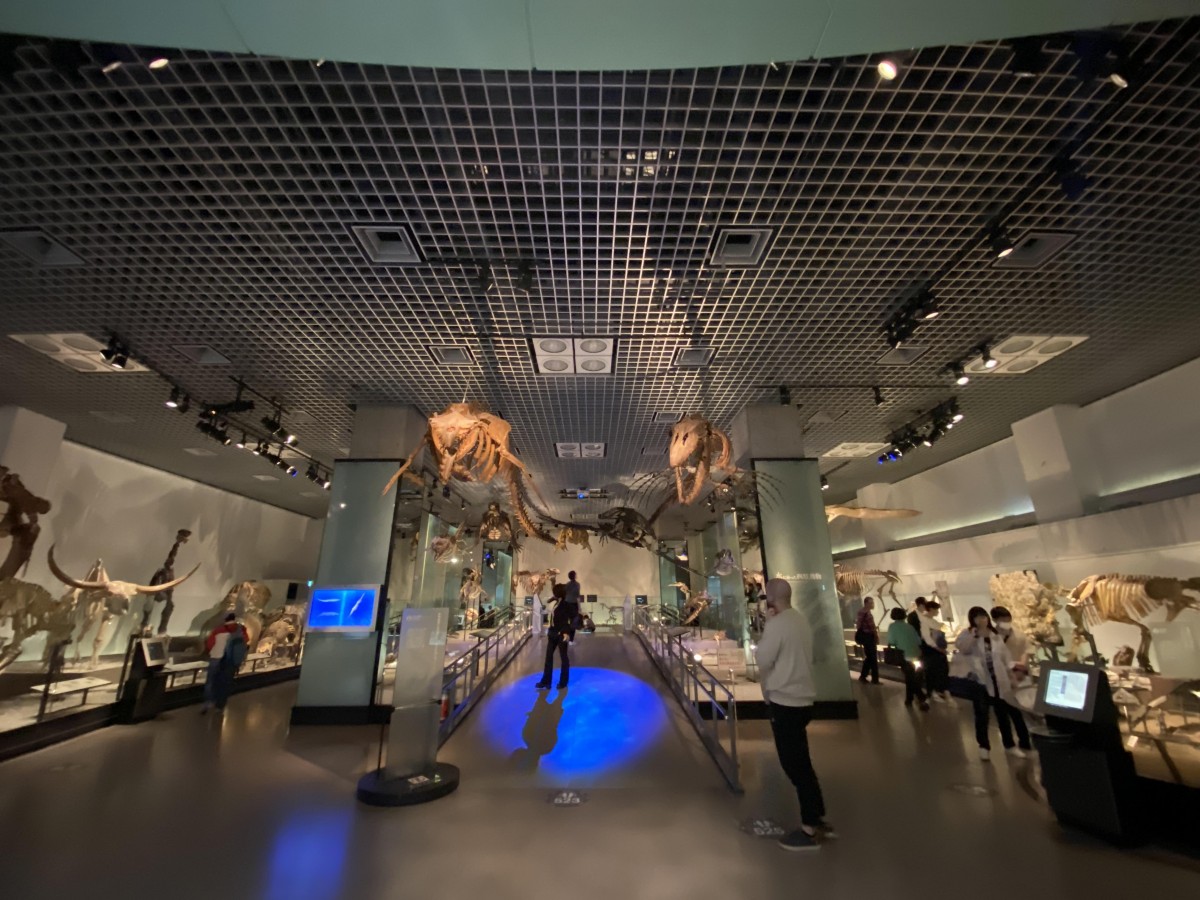
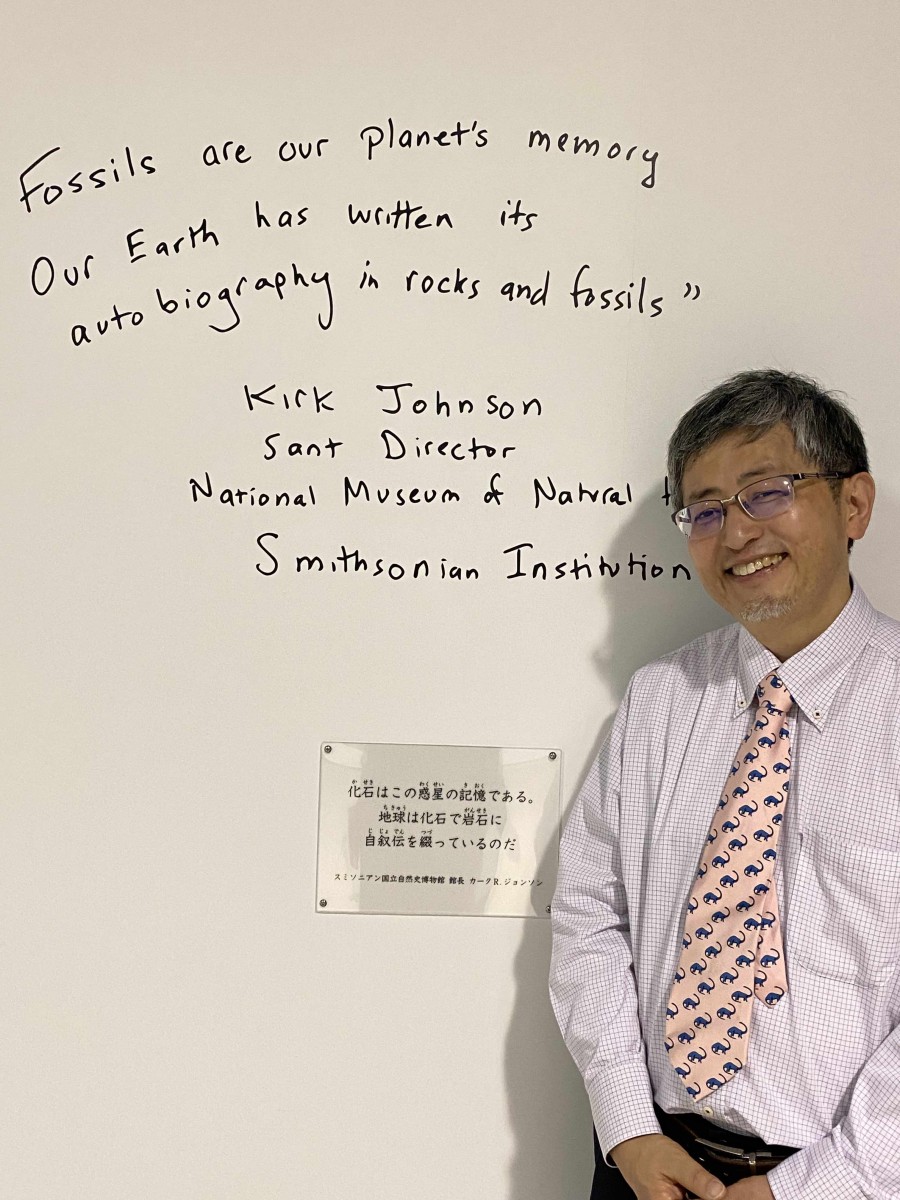
Makoto Manabe currently serves as resident and Director General of the National Museum of Nature and Science in Tokyo, one of Japan's premier institutions for research and public science education.
At the start of his career, Makoto studied extinct marine creatures called conodonts, eel-like animals whose tiny tooth-shaped fossils are so useful for dating rock layers that geologists rely on them as index fossils.
Despite its name, the vampire squid is neither a squid nor an octopus, but a living relative of both that occupies its own ancient lineage in the deep sea.
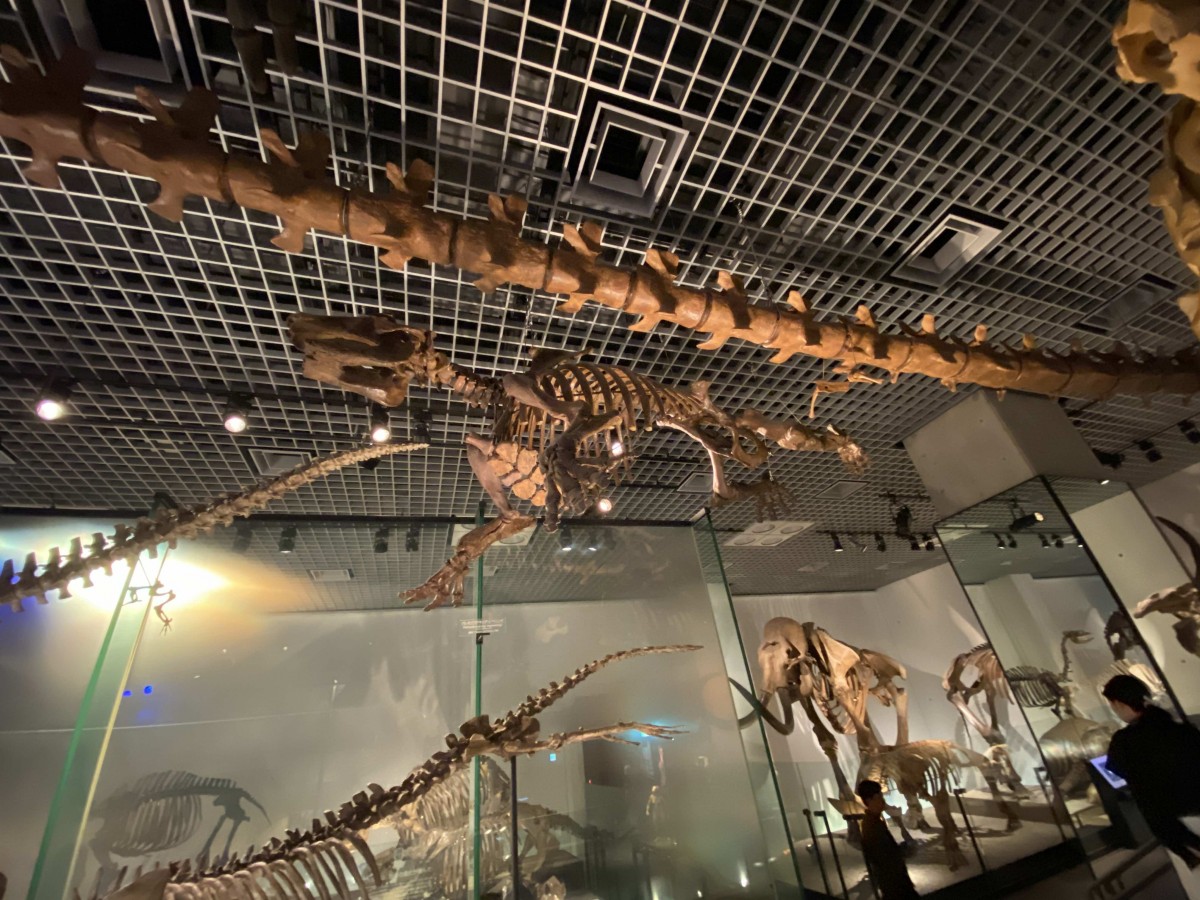
One of Makoto's central paleontological interests lies with marine reptiles, especially the ichthyosaurs, dolphin-shaped predators that ruled the seas while dinosaurs walked the land.
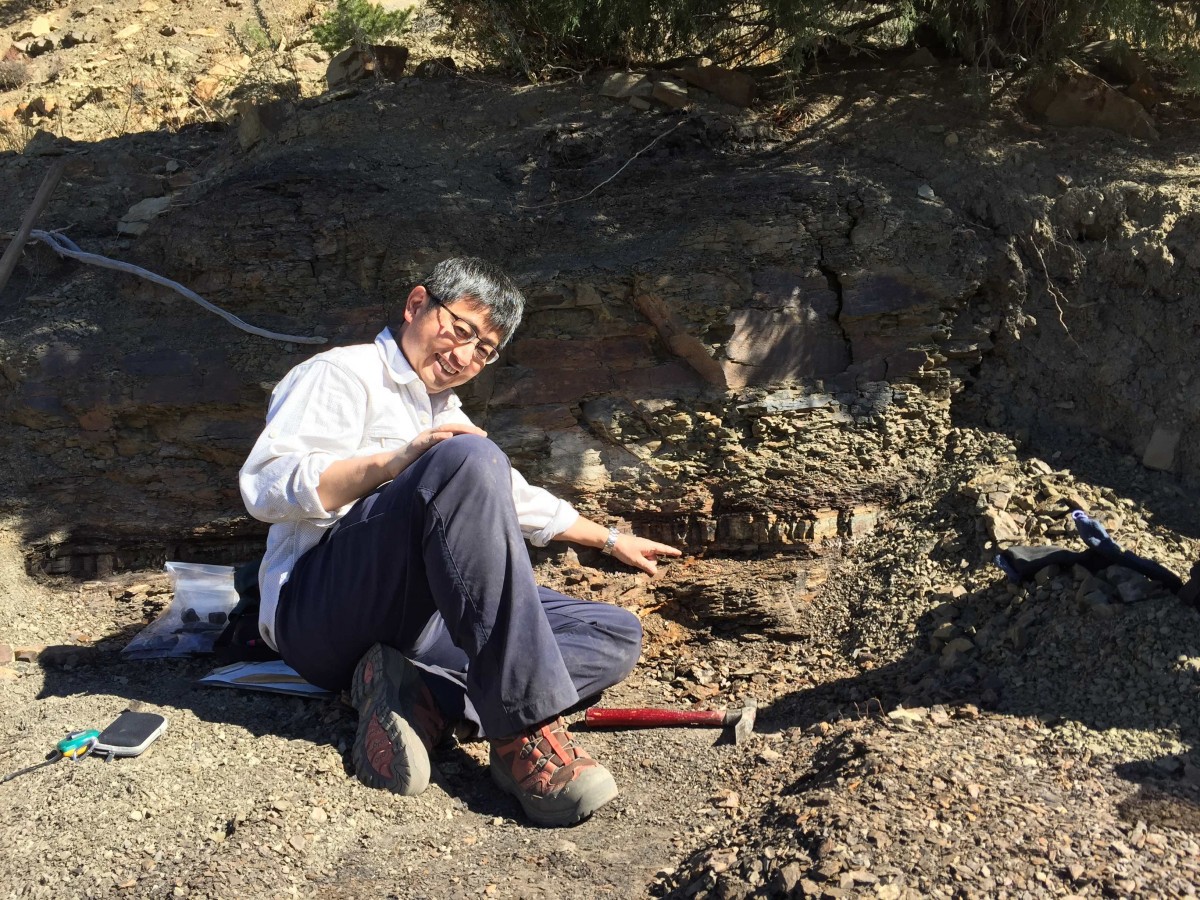
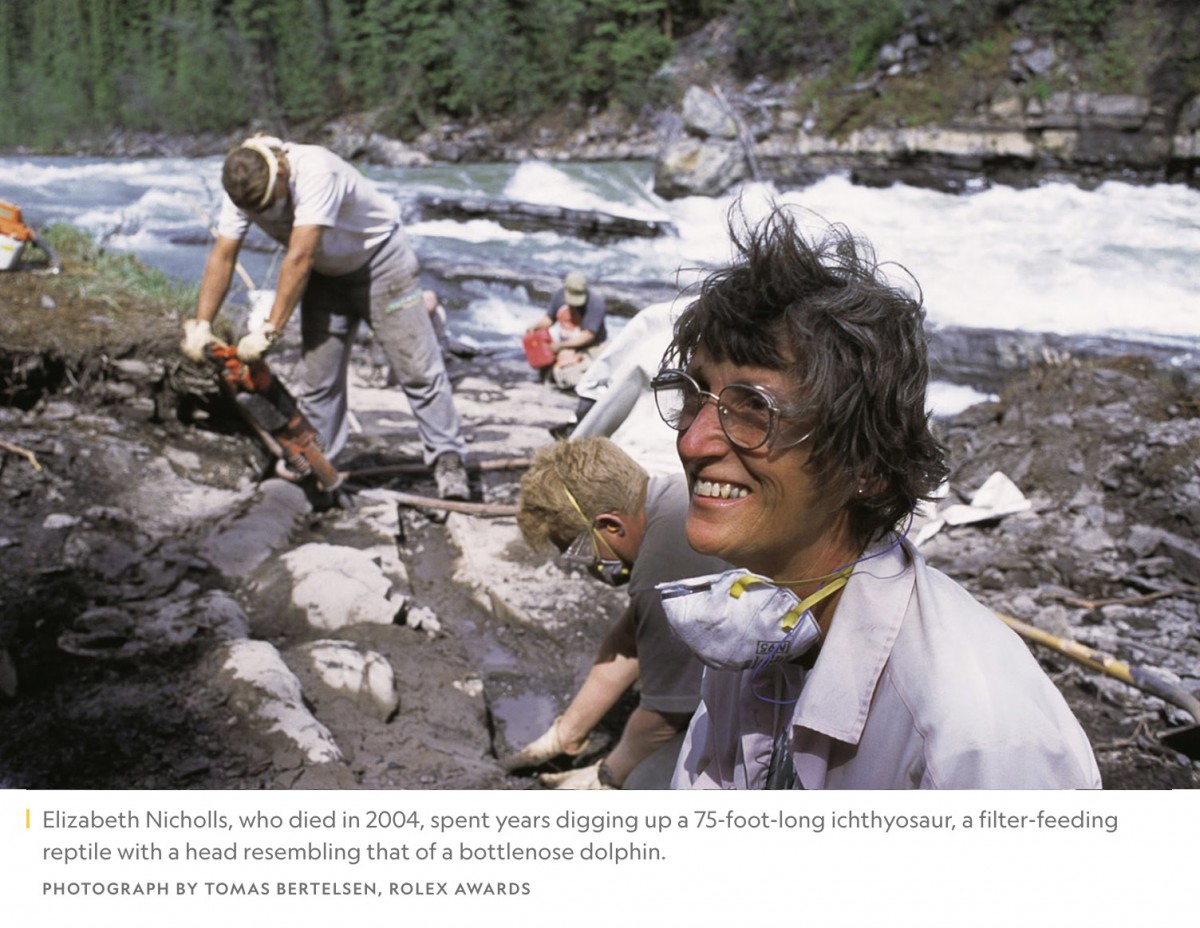
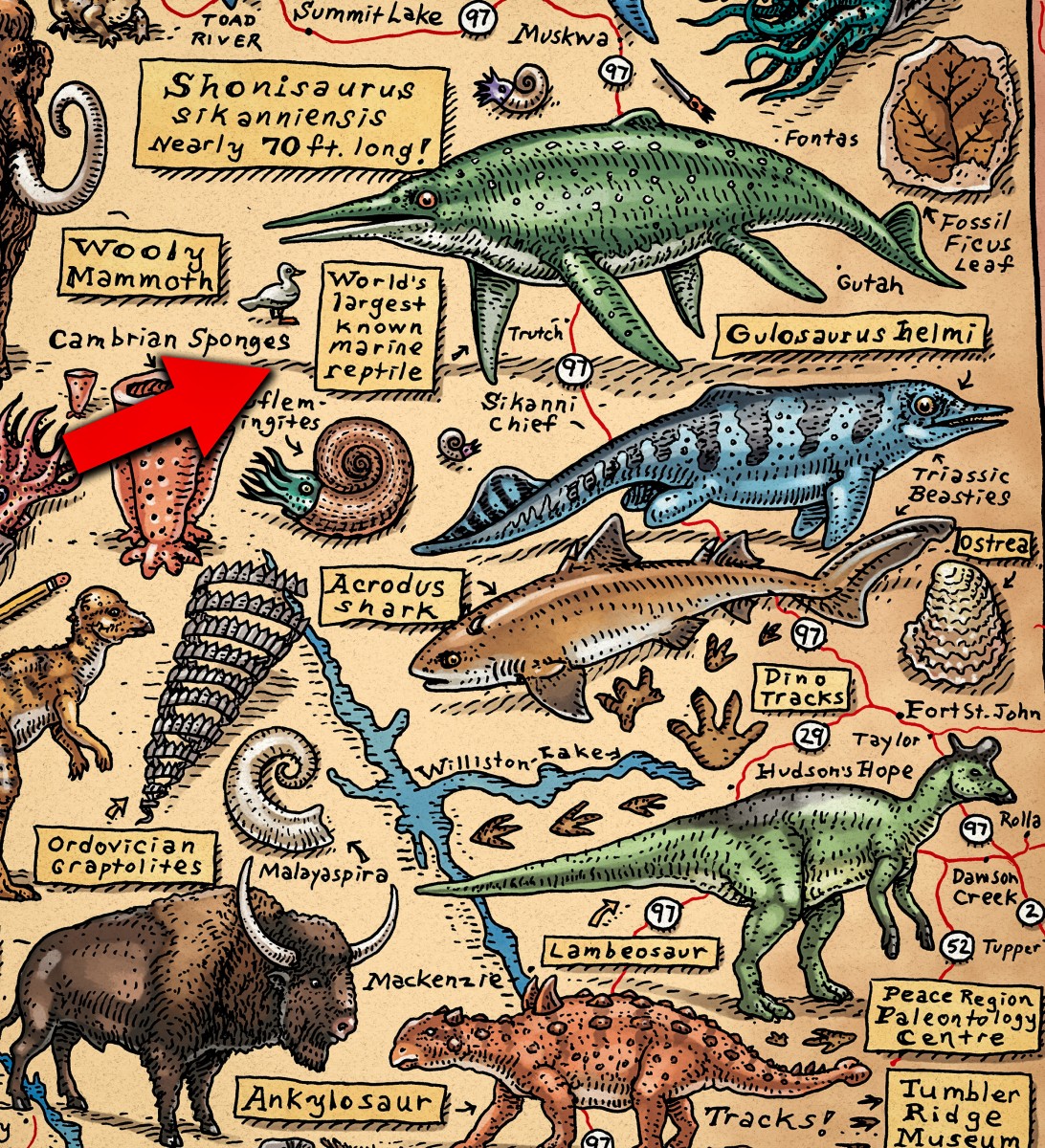
Across three field seasons in British Columbia, Makoto helped excavate the largest known ichthyosaur, Shonisaurus sikanniensis, a project that Elizabeth "Betsy" Nicholls led from discovery through excavation. Knowing she was losing her battle with cancer, Betsy asked that the page proofs of her manuscript be sent to Makoto so the research could continue, a remarkable act of scientific stewardship that ensured the story of this colossal ichthyosaur would be told.
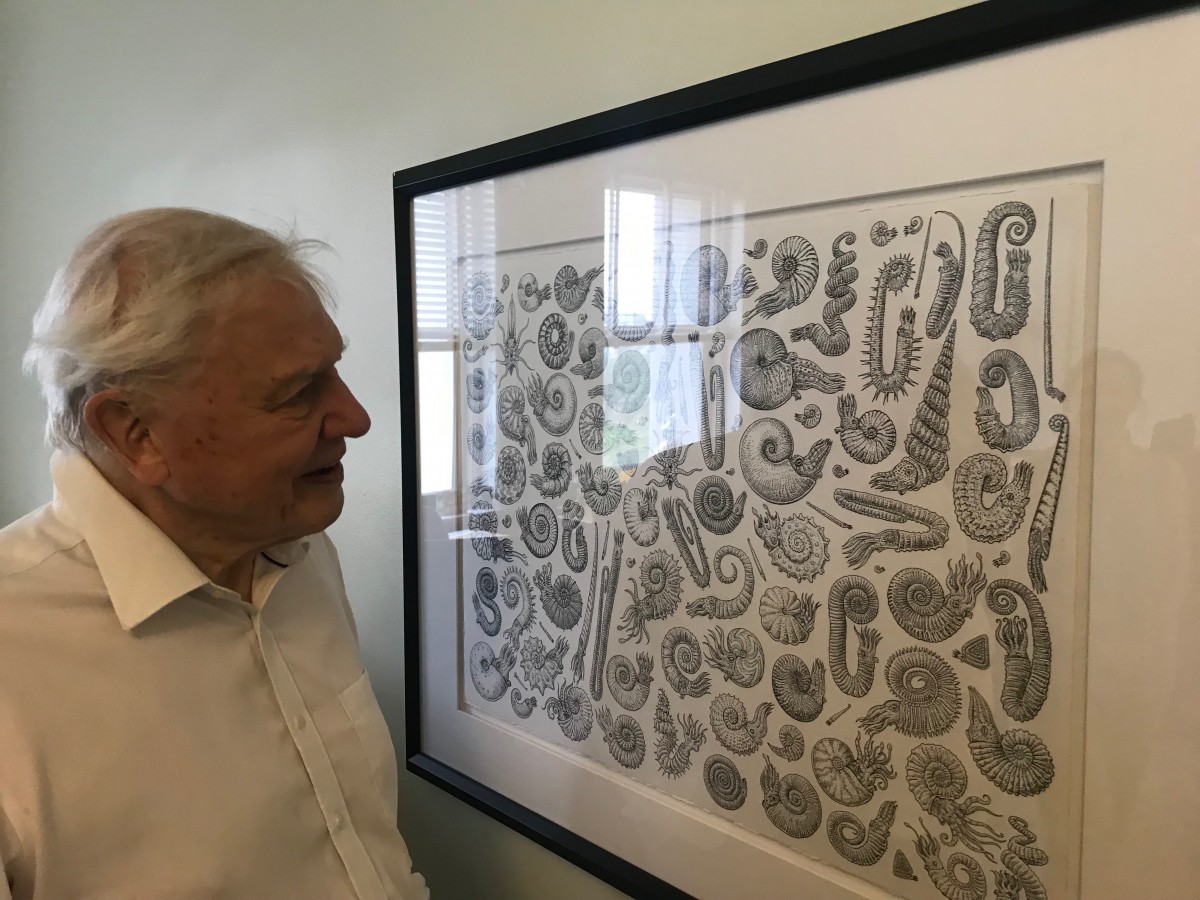
Japan is also home to an abundance of strangely shaped ammonites known as heteromorphs, whose uncoiled and twisting shells challenge our assumptions about how these animals lived.
Dave notes that Dr. Philip J. Currie would know all about the display of Shonisaurus at the Royal Tyrrell Museum of Palaeontology, since he was instrumental in founding that very institution. The Royal Tyrrell Museum stands among the finest museums in the world for its stellar collections and displays, a perfect pilgrimage for anyone with a love of dinosaurs.
While at Yale, Makoto studied under the late John Ostrom, the paleontologist whose work revolutionized the modern understanding of dinosaurs as active, bird-related animals.
Looming over Yale's Peabody Museum is the Rudolph Zallinger mural, an enormous fresco that, when completed in 1947, gave visitors a sweeping peek into the ancient world as it was then understood.
Japan has its own finely preserved fossil sites, including the Kuwajima Formation, whose Kaseki-kabe ("Fossil-bluff") in central Honshu has yielded Early Cretaceous fauna roughly contemporaneous with the Jehol Biota of China.
Makoto has spent decades researching the taxonomy and paleobiogeography of the Tetori biota, work that has helped place the Japanese Mesozoic fossil record on the global stage.
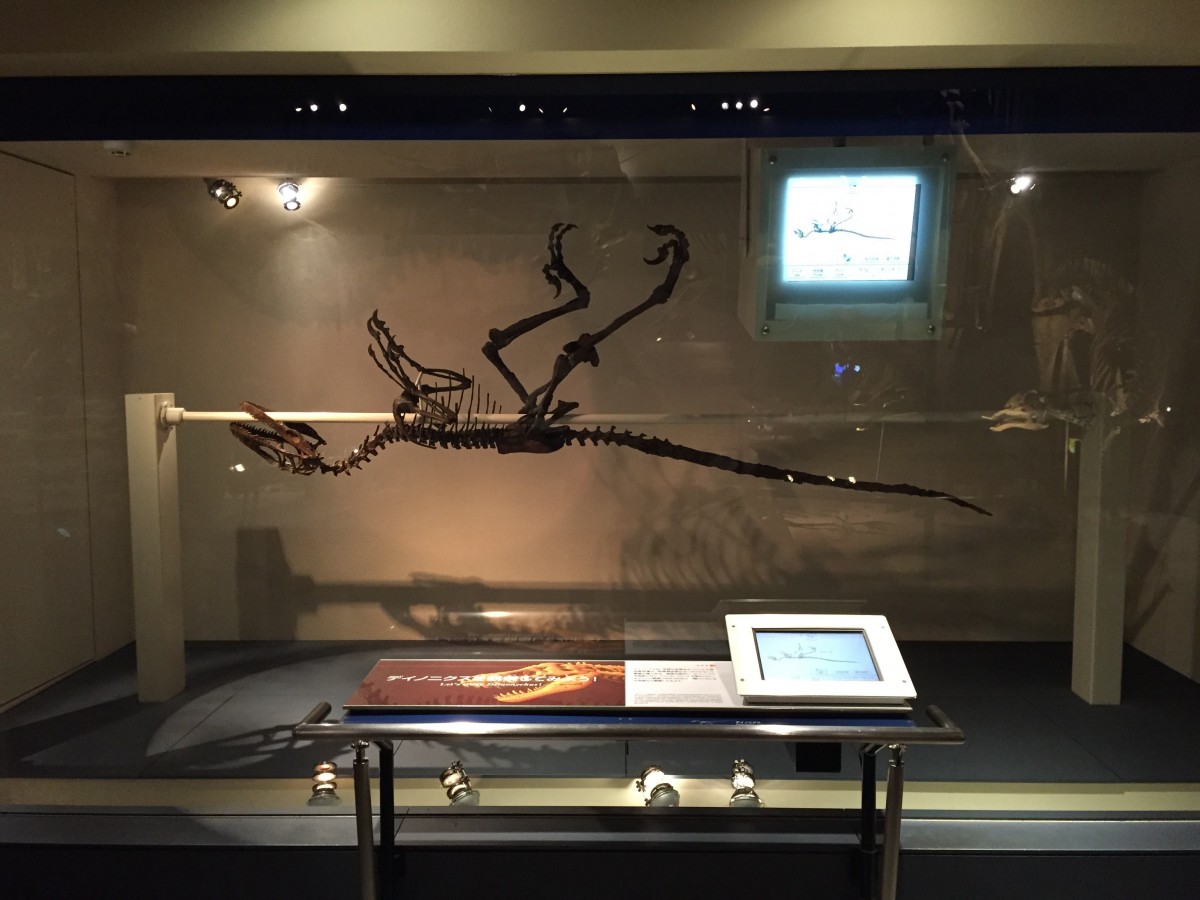
Makoto is the author of a study analyzing a theropod tooth recovered from the Itsuki Formation of the Tetori Group in Japan. Chinese paleontologist Xu Xing later confirmed that the tooth most likely came from a theropod similar to the small feathered tyrannosauroid Dilong paradoxus, settling its identification as a theropod.
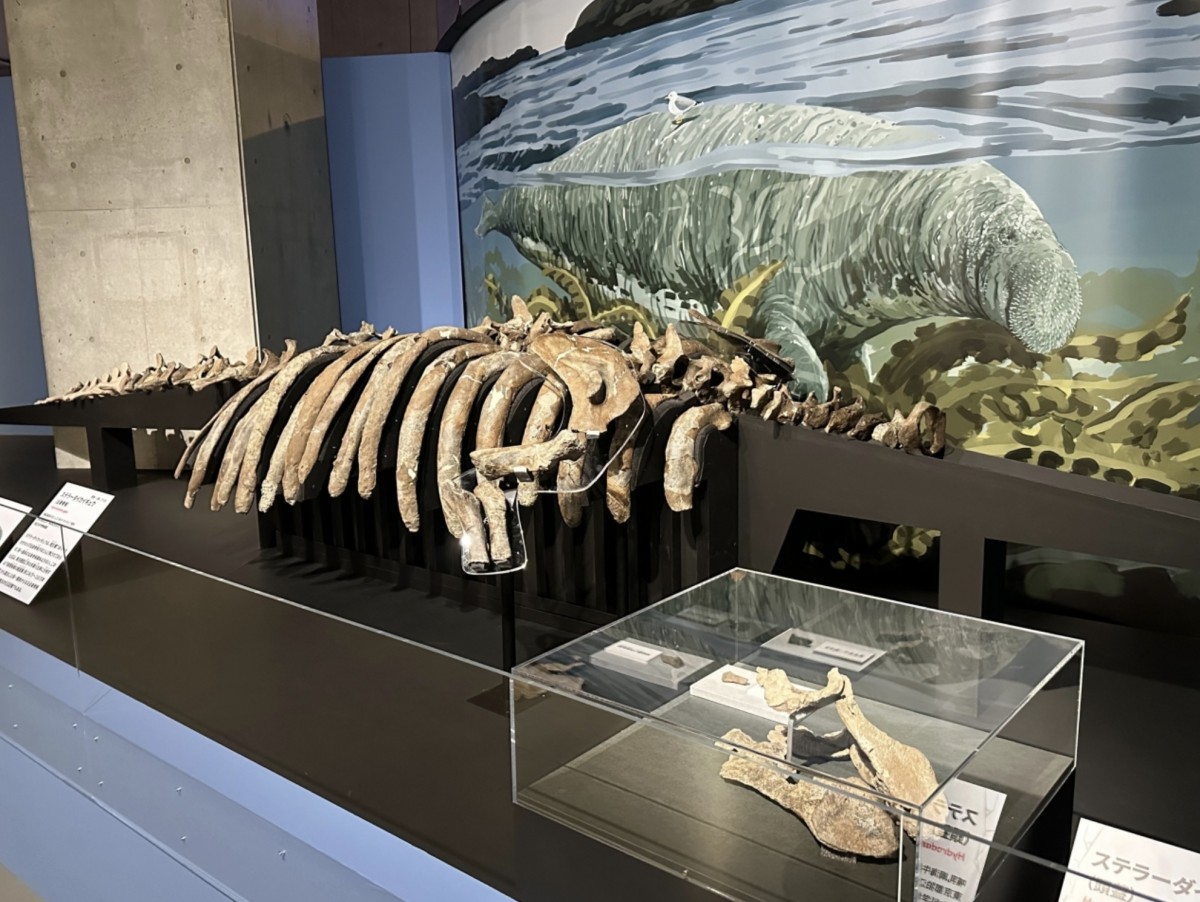
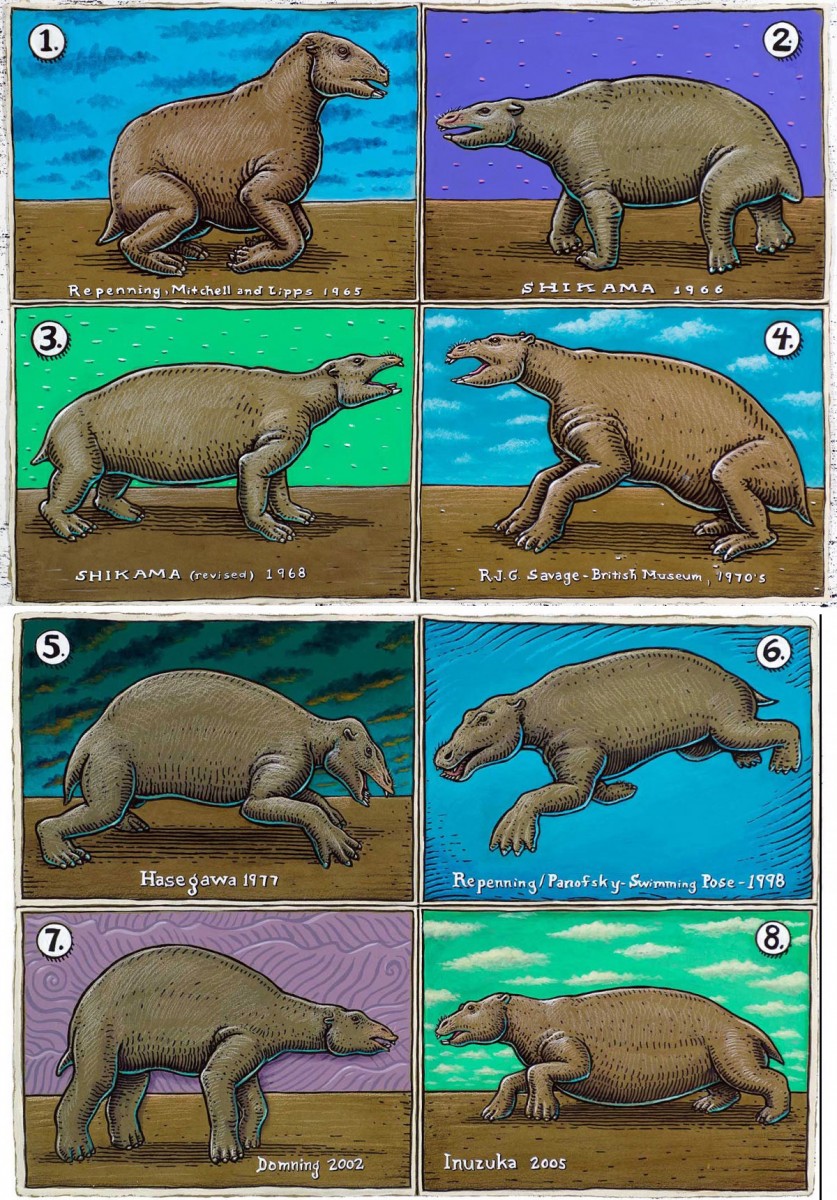
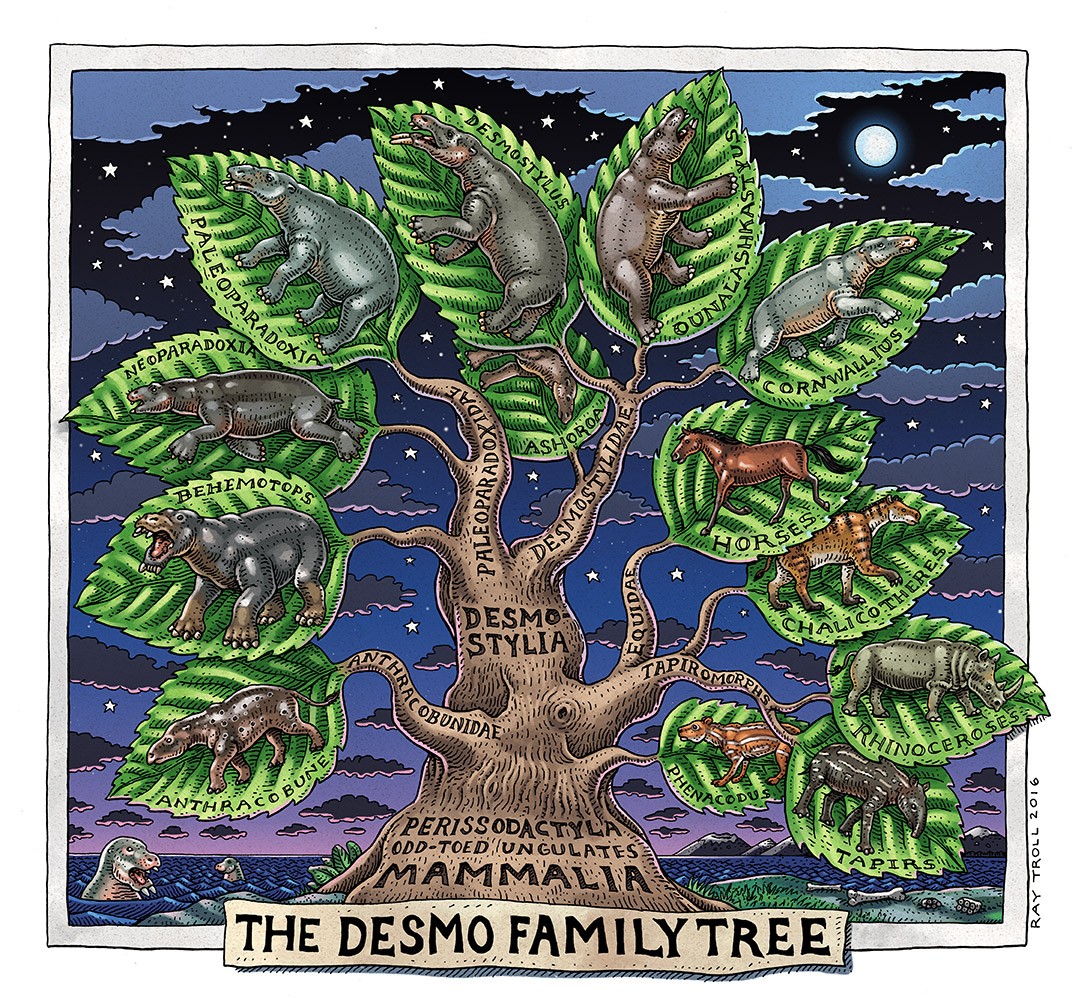
Ray and Makoto are both devoted Desmo nerds, captivated by the extinct and wonderfully strange sea-cow-like desmostylians.
Closer to home, the Cooper Center in Southern California holds a massive repository of local archaeological and paleontological specimens.
Our previous guest Gabe Santos knows desmostylians inside and out, and dug into them with us in an earlier episode.
Last year Makoto's museum staged "Mass Extinctions: Big Five," an exhibition exploring the great mass extinctions of Earth's history, explored in greater depth here.
The gentle Steller's sea cow was hunted into extinction within decades of its discovery, a sobering early lesson in human-caused extinction. The 30-foot animal was first described when Captain Bering's crew was stranded on a remote Arctic island, and it vanished forever just decades later.
Dave shares his visit to the Domus Aurea in Rome, Nero's buried palace, where a special VR experience reconstructs the ancient gilded halls and brings the lost structure vividly back to life.
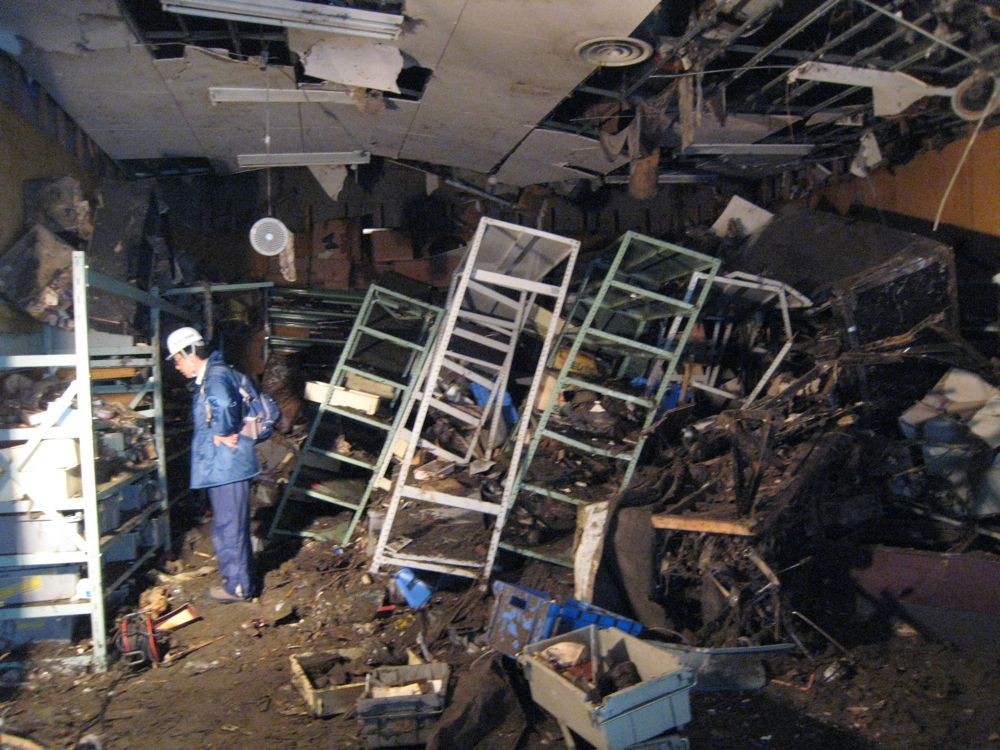
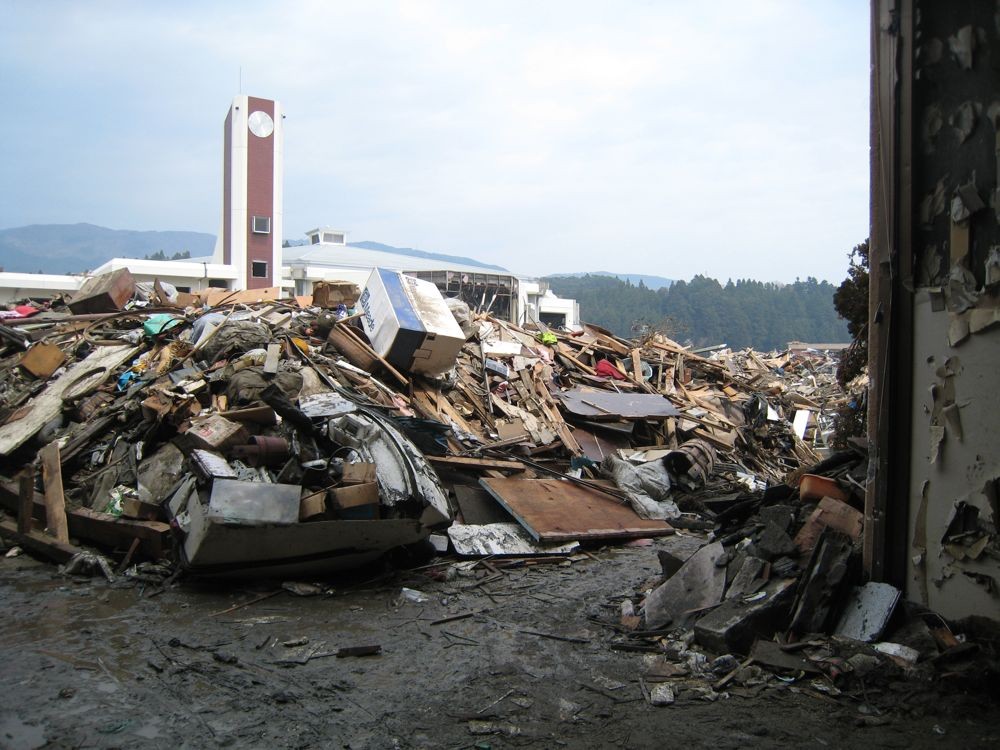
In the aftermath of the 2011 Tōhoku earthquake and tsunami, Makoto gave a talk on the critical importance of preserving local museums, helping rescue collections from devastated institutions such as the museum in Rikuzentakata.
MUSIC
Ready to Grow by Whiskey Class
Another Lovey by The Amish Robots
Cosmic Lunch by Ray Troll
EO Khronos by Russell Wodehouse
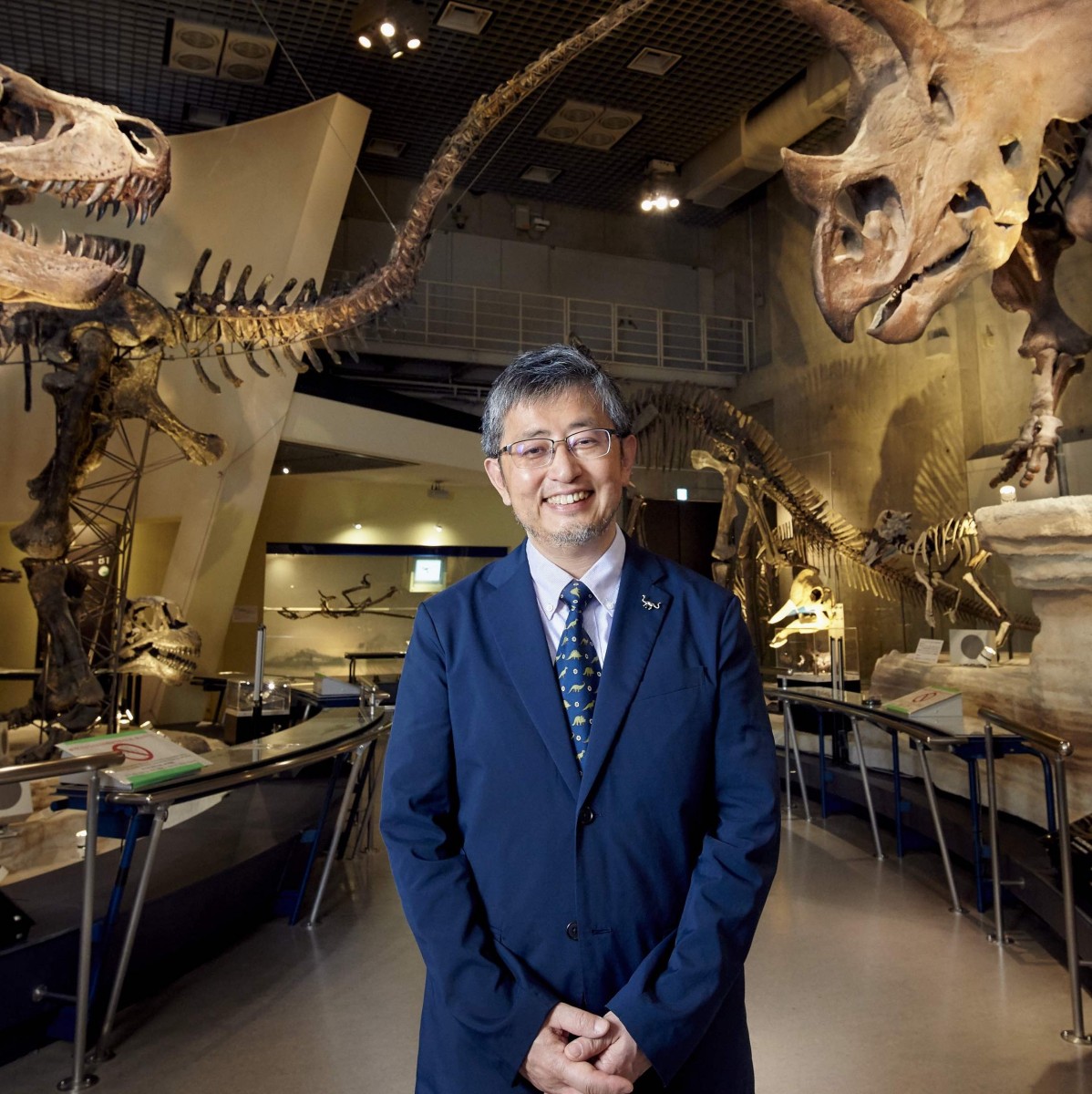
Episode 99 image photograph by Matsuichi Yokota