10/28/2026
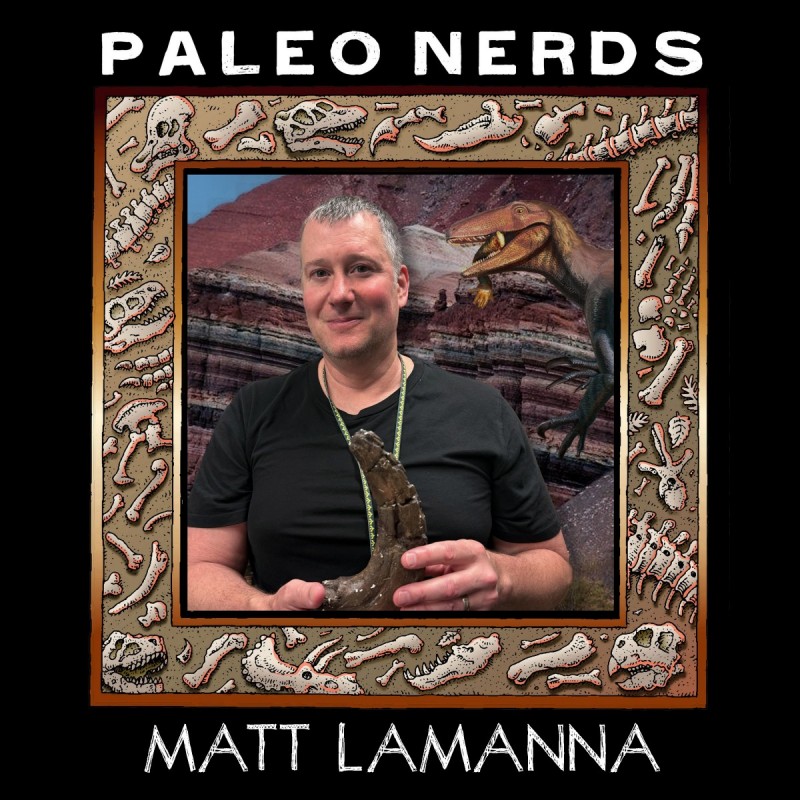
Ep #103 Digging Dinosaurs on Seven Continents and the Carnegie’s Hidden Secrets with Paleontologist Matt Lamanna
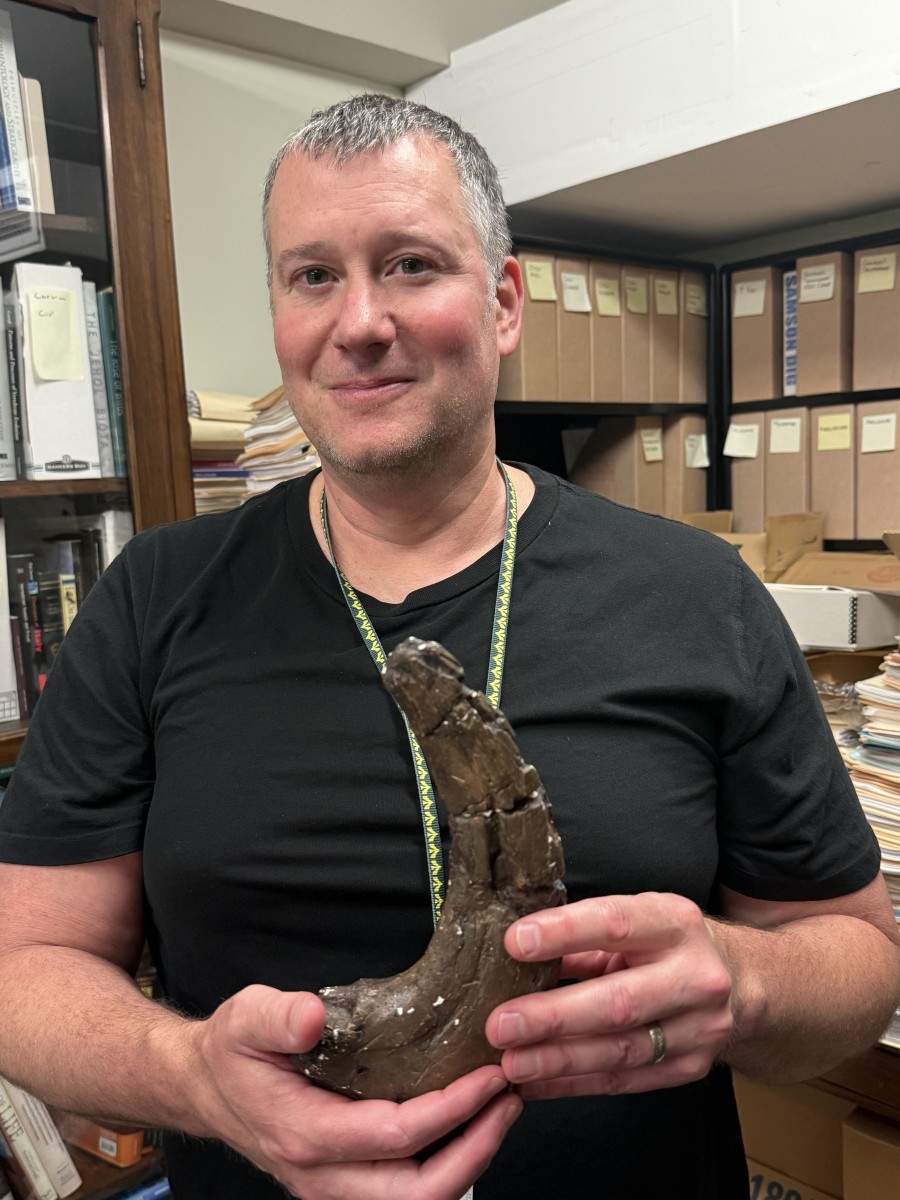
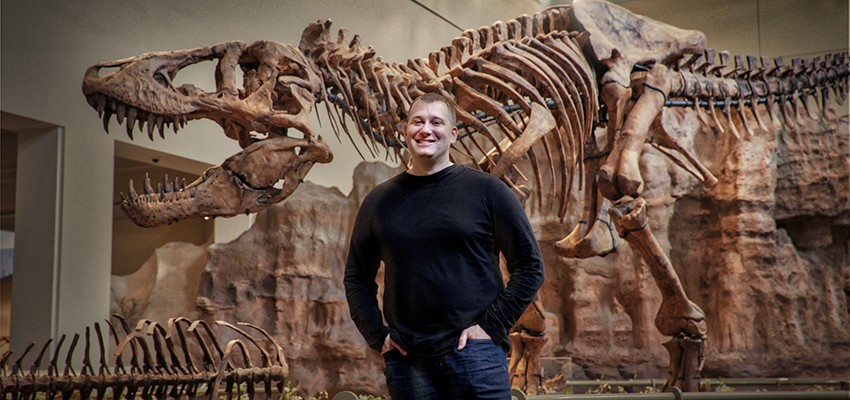
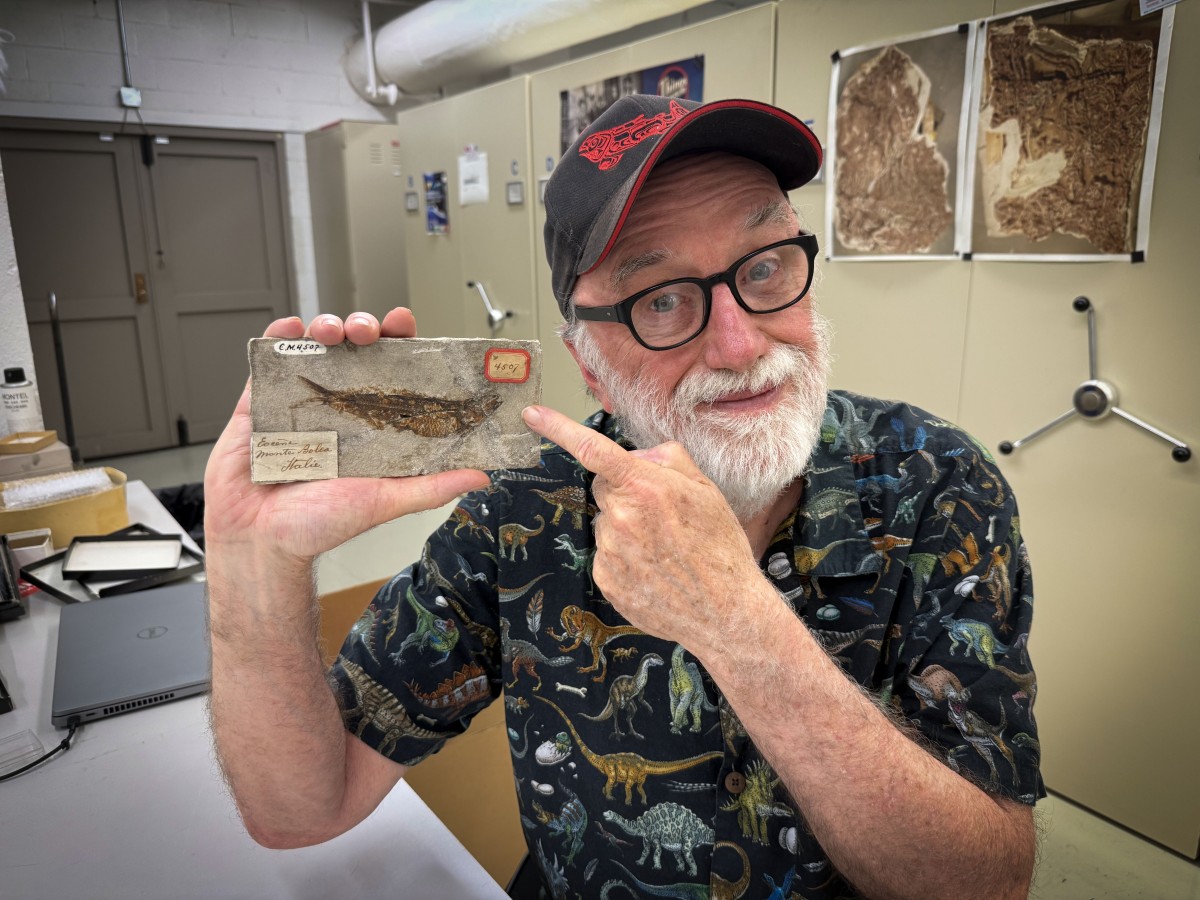
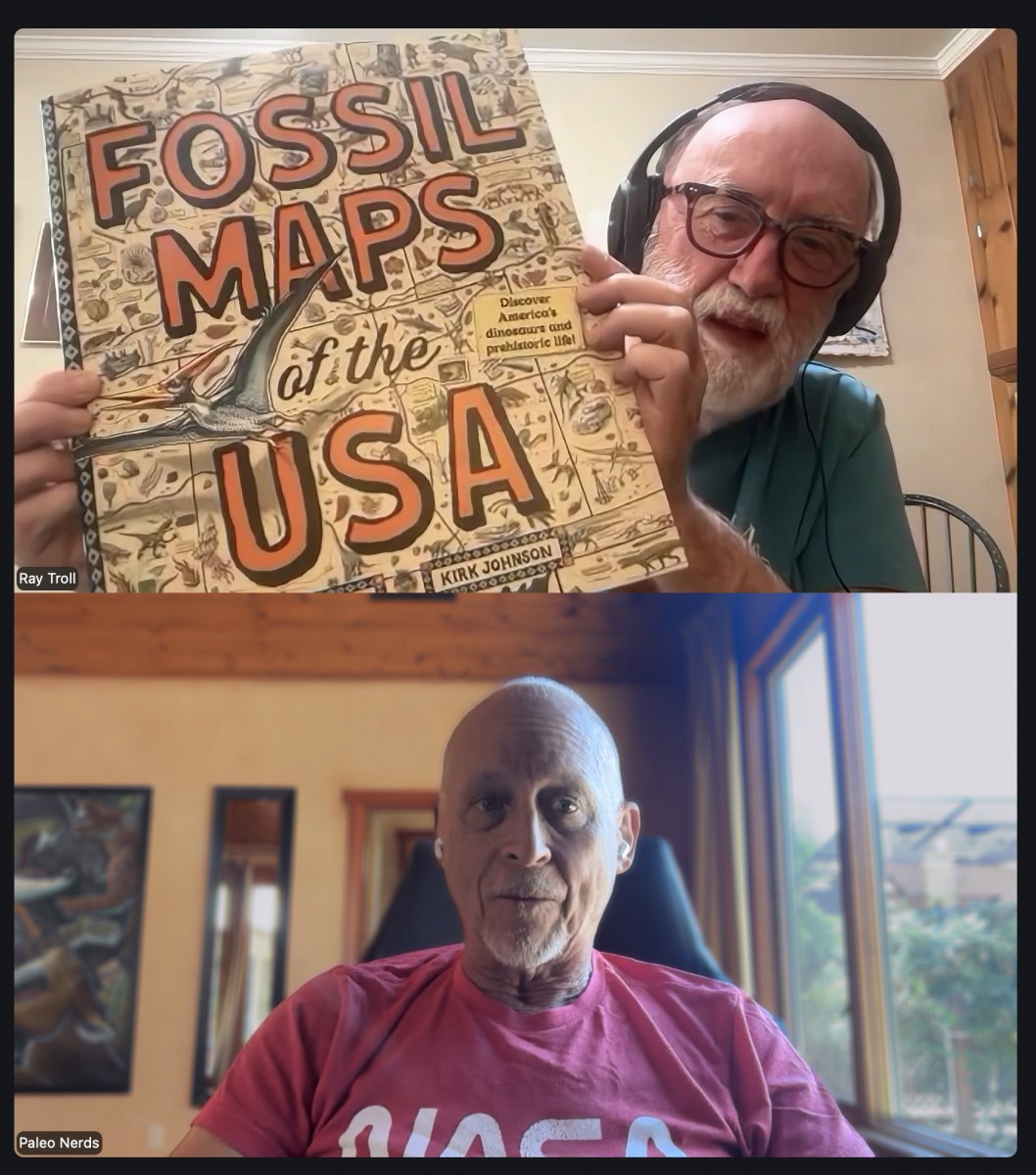
Ray goes on the road and interviews Matt Lamanna, the fun and paleo-contagious Mary R. Dawson Curator of Vertebrate Paleontology at Carnegie Museum of Natural History
Ep #103 Digging Dinosaurs on Seven Continents and the Carnegie’s Hidden Secrets with Paleontologist Matt Lamanna
Ray goes on the road and interviews Matt Lamanna, the fun and paleo contagious Mary R. Dawson Curator of Vertebrate Paleontology at the Carnegie Museum of Natural History.
Interview Links
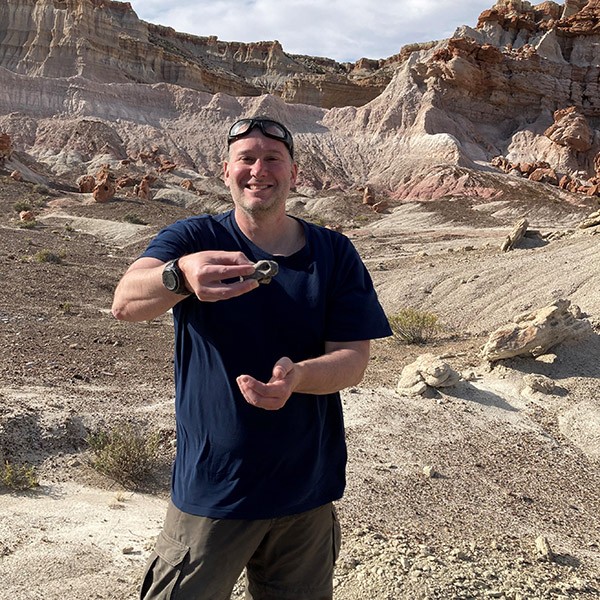
Our guest Matt Lamanna is the Mary R. Dawson Curator of Vertebrate Paleontology and a lifelong hunter of dinosaurs from the Southern Hemisphere.
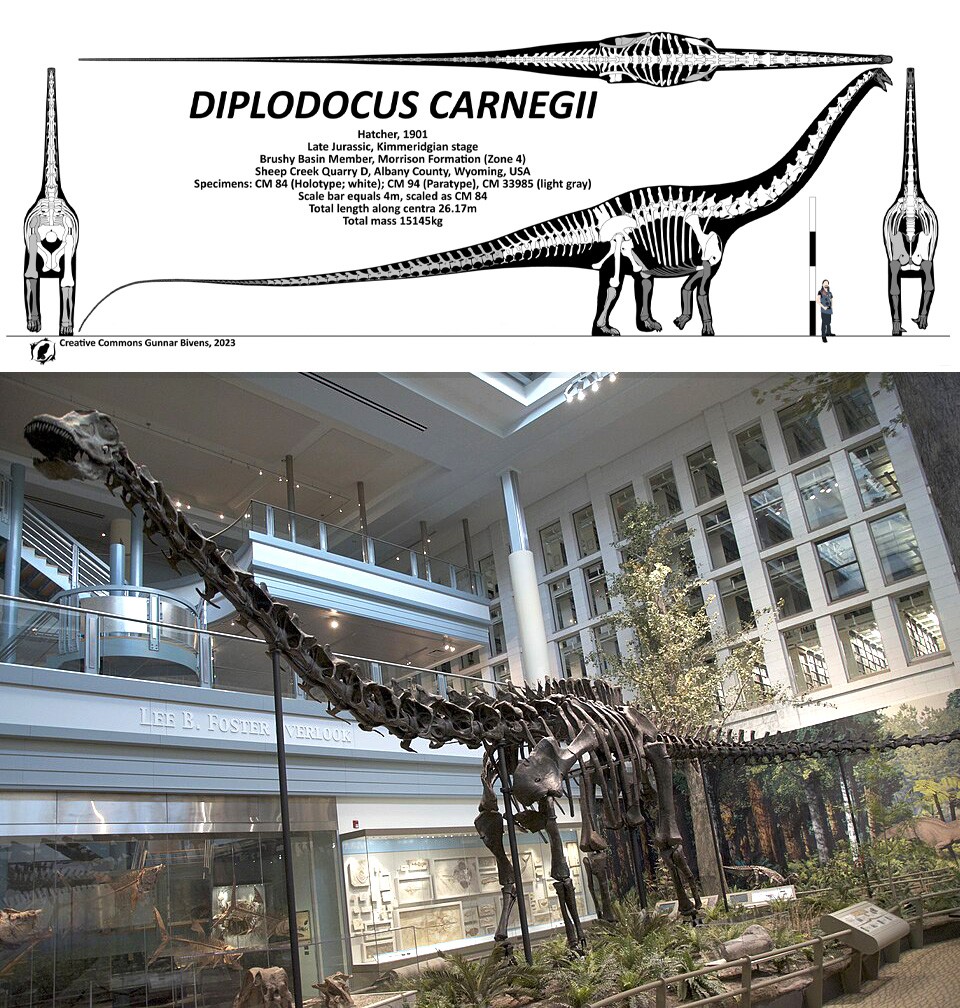
The Carnegie Museum of Natural History in Pittsburgh is home to Diplodocus carnegii, the giant sauropod named in honor of Andrew Carnegie himself.
Young Matt owned a Golden Book of dinosaurs with cover art by Rudolph Zallinger, the artist behind The Age of Reptiles, the famous mural at Yale's Peabody Museum.
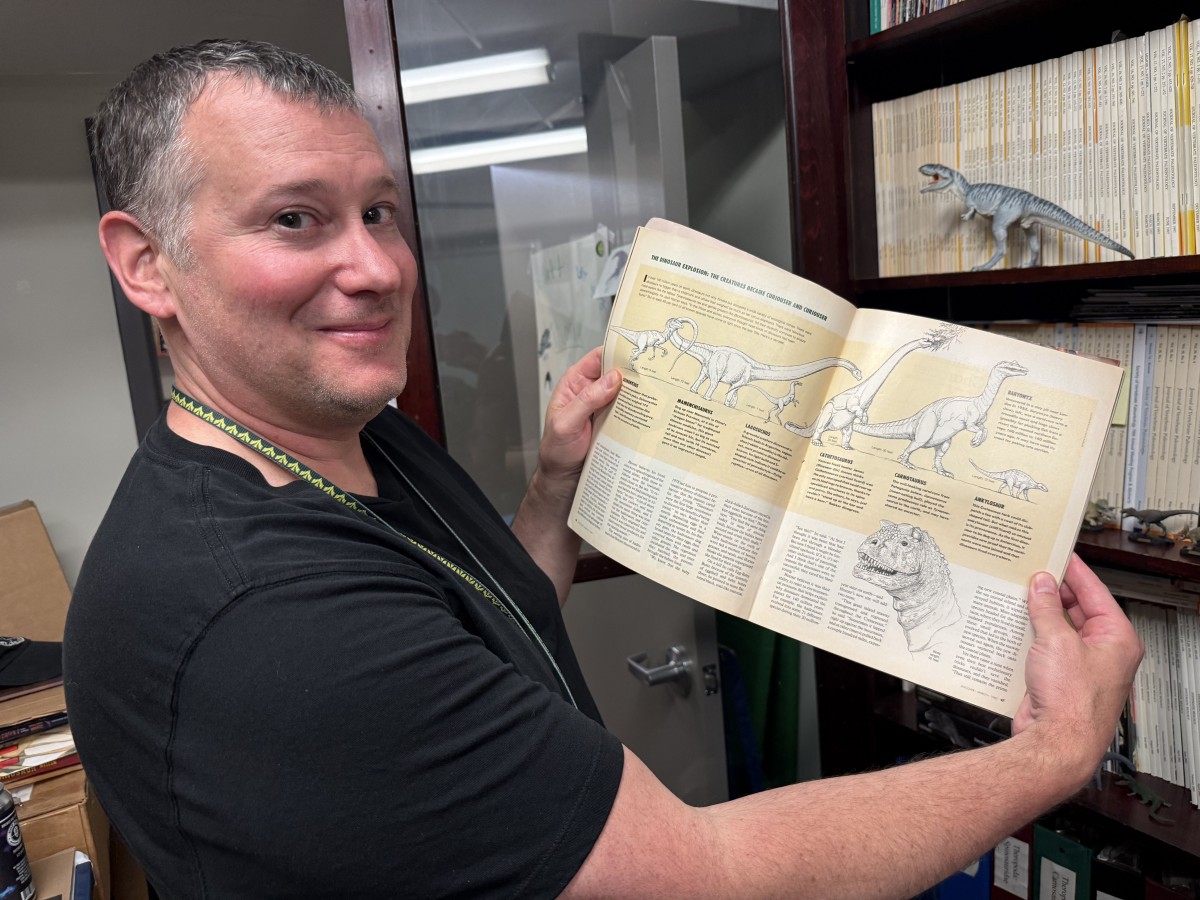
A Discover magazine article featuring Carnotaurus from Argentina and an armored ankylosaur from Antarctica cemented Matt's fascination with the dinosaurs of the Southern Hemisphere.
Patagonia ranks among the richest dinosaur hunting grounds on Earth, yielding giants, oddballs, and fearsome predators.
Ray and Matt discuss The Dinosaur Heresies, Bob Bakker's influential 1986 book that championed active, warm blooded dinosaurs and helped fuel the Dinosaur Renaissance.
For Ray's time travel question, Matt would visit Late Cretaceous Patagonia to see a megaraptor, one of the big clawed predators whose ranks include the recently named Joaquinraptor casali, which may have lived close to the end of the age of dinosaurs about 66 million years ago.
Nature is Metal showcases the raw brutality of the natural world, the little fish getting eaten by the big fish in all its very bloody reality. WARNING:GRAPHIC CONTENT!
Matt worked with the Field Museum's Jingmai O'Connor on Jian changmaensis, a newly named microraptor from China's Changma Basin that may have preyed on early birds.
Scientists exploring the deep seafloor of the southeastern Indian Ocean discovered an immense whale graveyard about seven kilometers down, with some fossil bones dating back 5.3 million years.
Legendary fossil hunter Barnum Brown, nicknamed "Mr. Bones", discovered the first documented remains of Tyrannosaurus rex in Montana's Hell Creek Formation in 1902, and that famous specimen was sold to the Carnegie Museum in 1941.
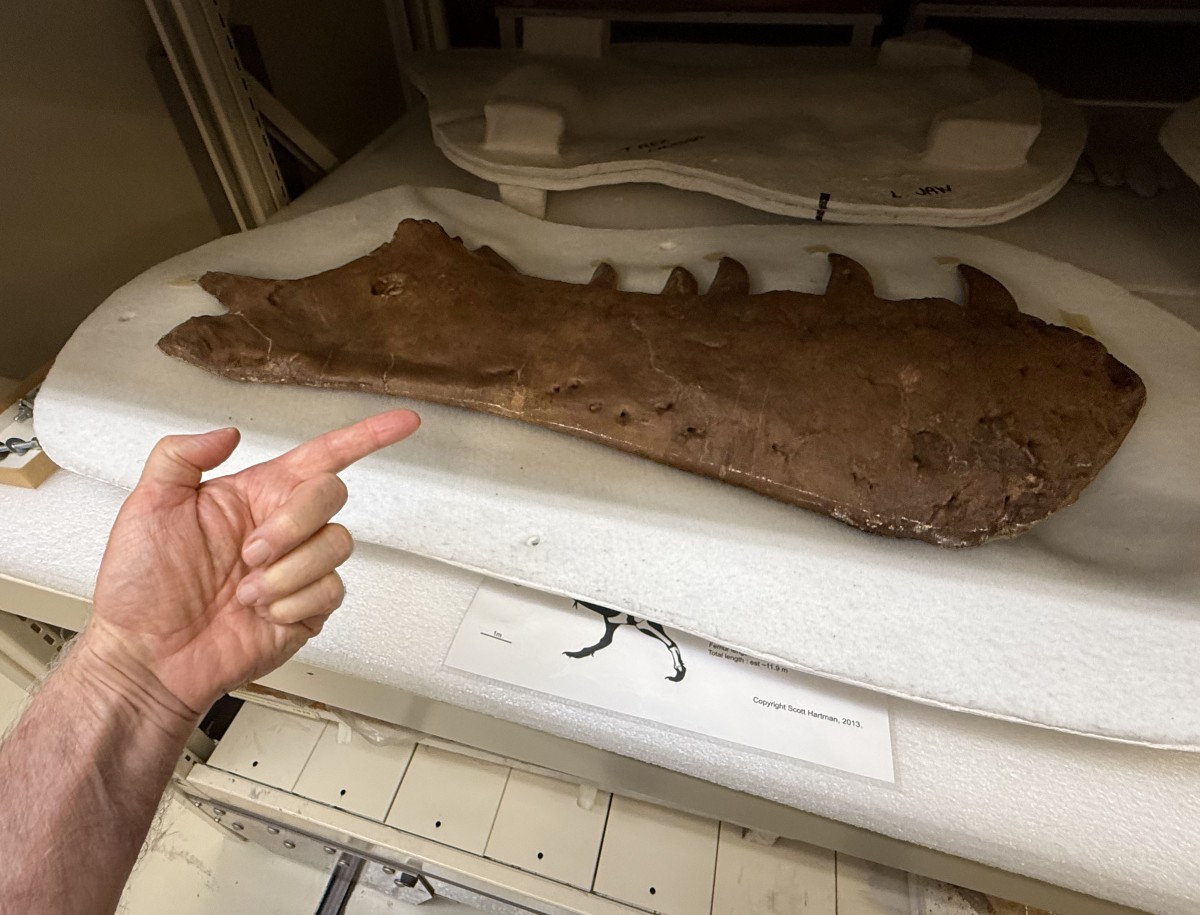
In 1905, Henry Fairfield Osborn named Tyrannosaurus rex from Brown's Hell Creek finds, and the holotype skull Ray and Matt are admiring is the very specimen that earned the tyrant lizard king its name. Follow the timeline from the Big Bang to that famous moment.
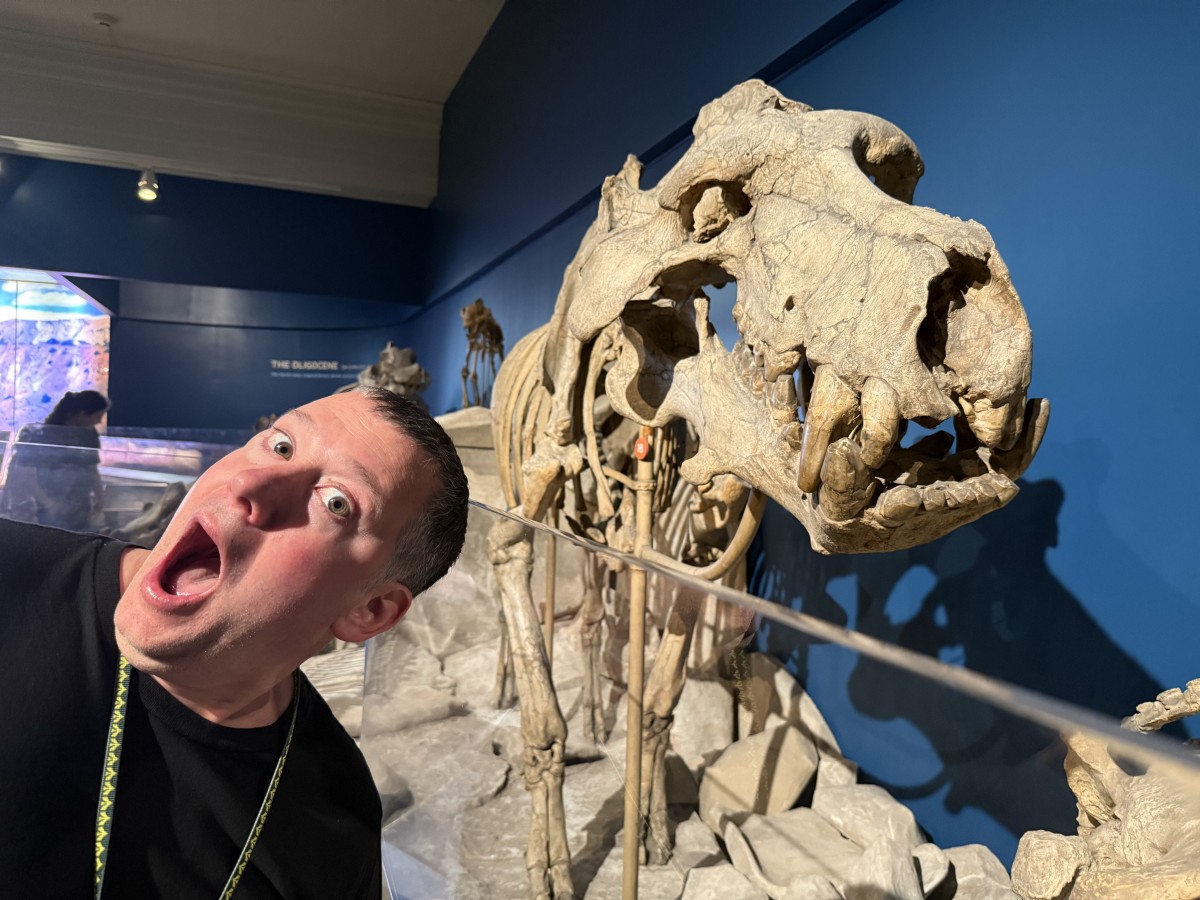
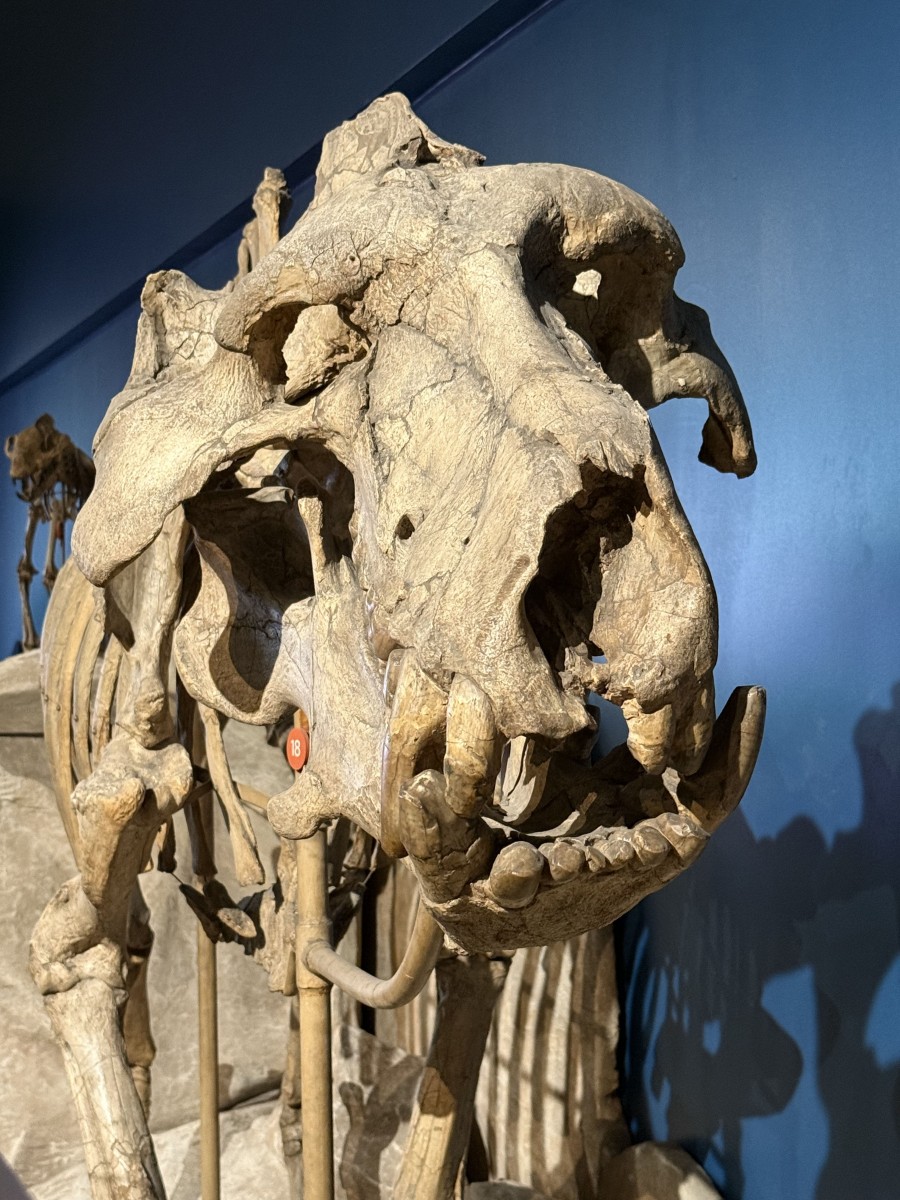
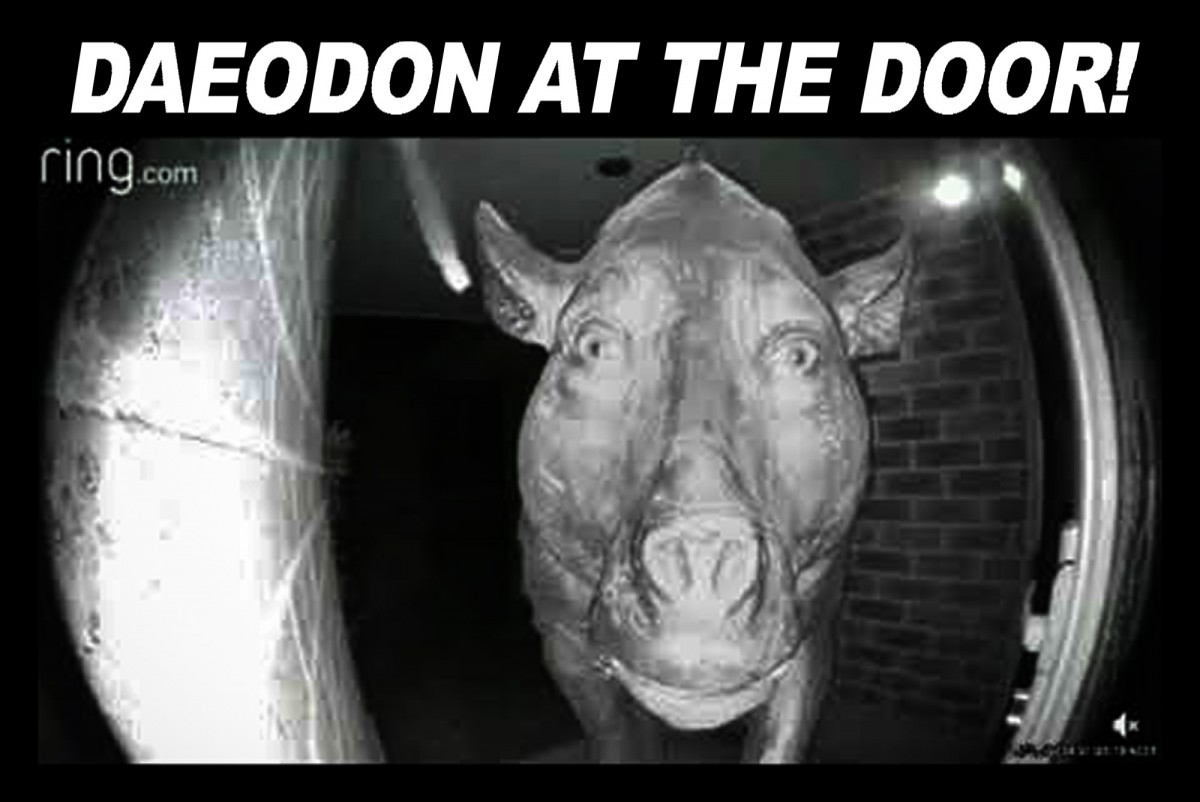
Daeodon is an extinct genus of entelodont, a group of even toed ungulates, that roamed North America about 29 to 19 million years ago, from the late Oligocene to the early Miocene, making it the last known entelodont.
Nicknamed Terminator pigs or Hell pigs, the entelodonts were hulking, piglike beasts that were not closely related to modern pigs.
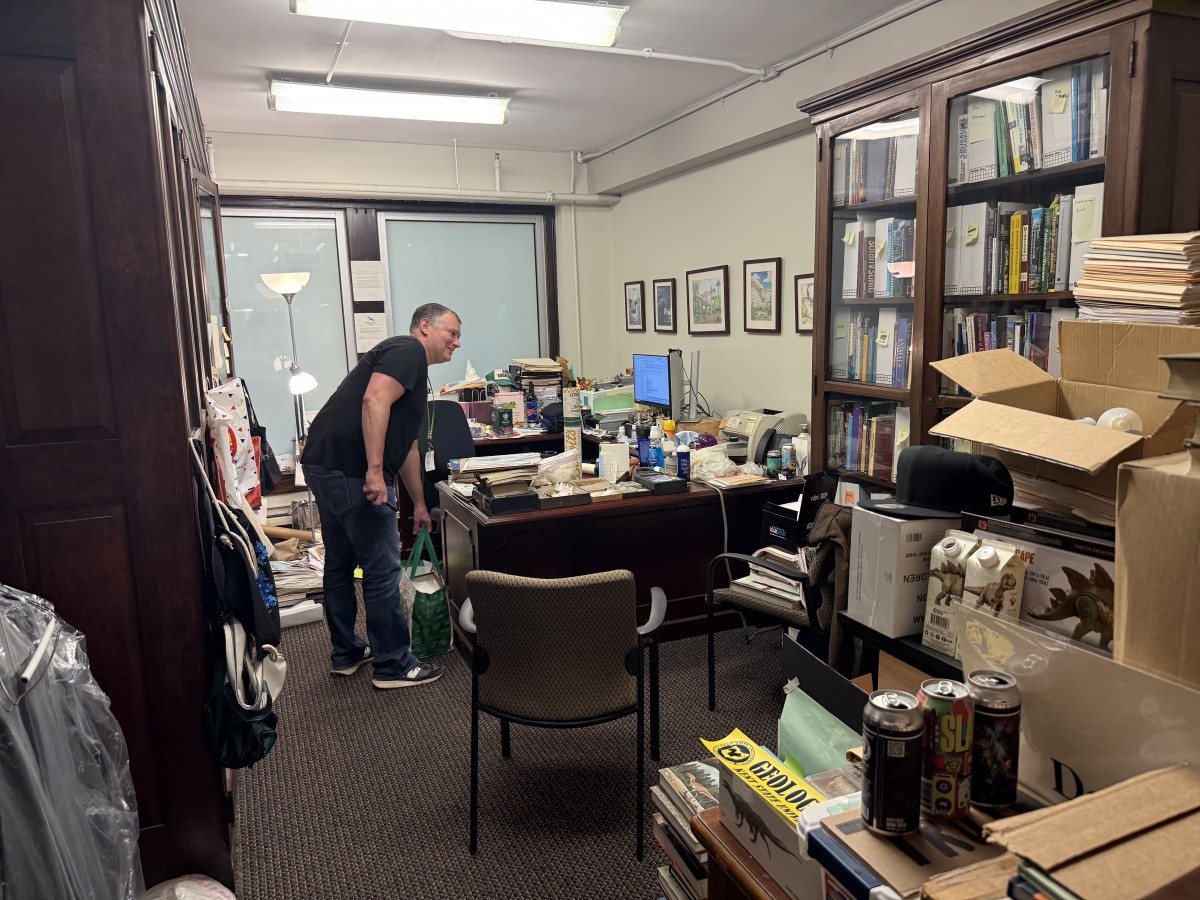
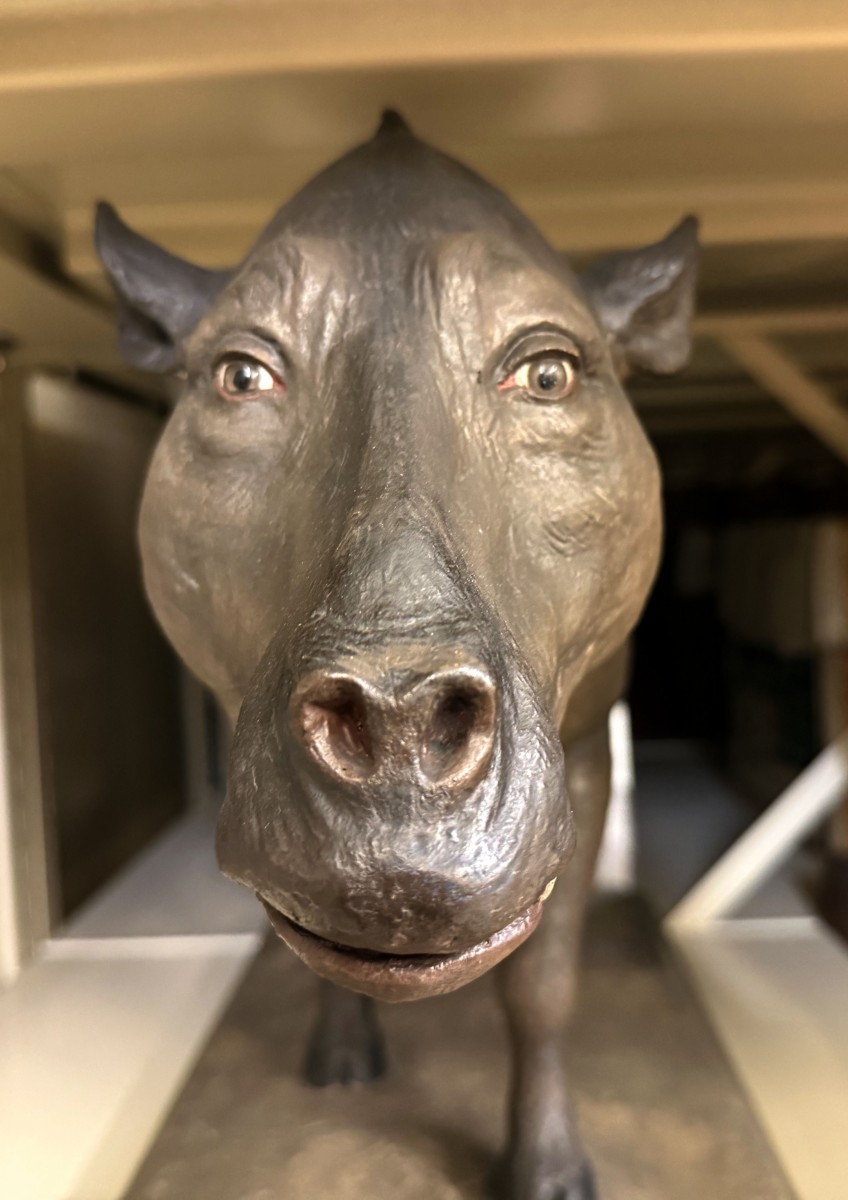
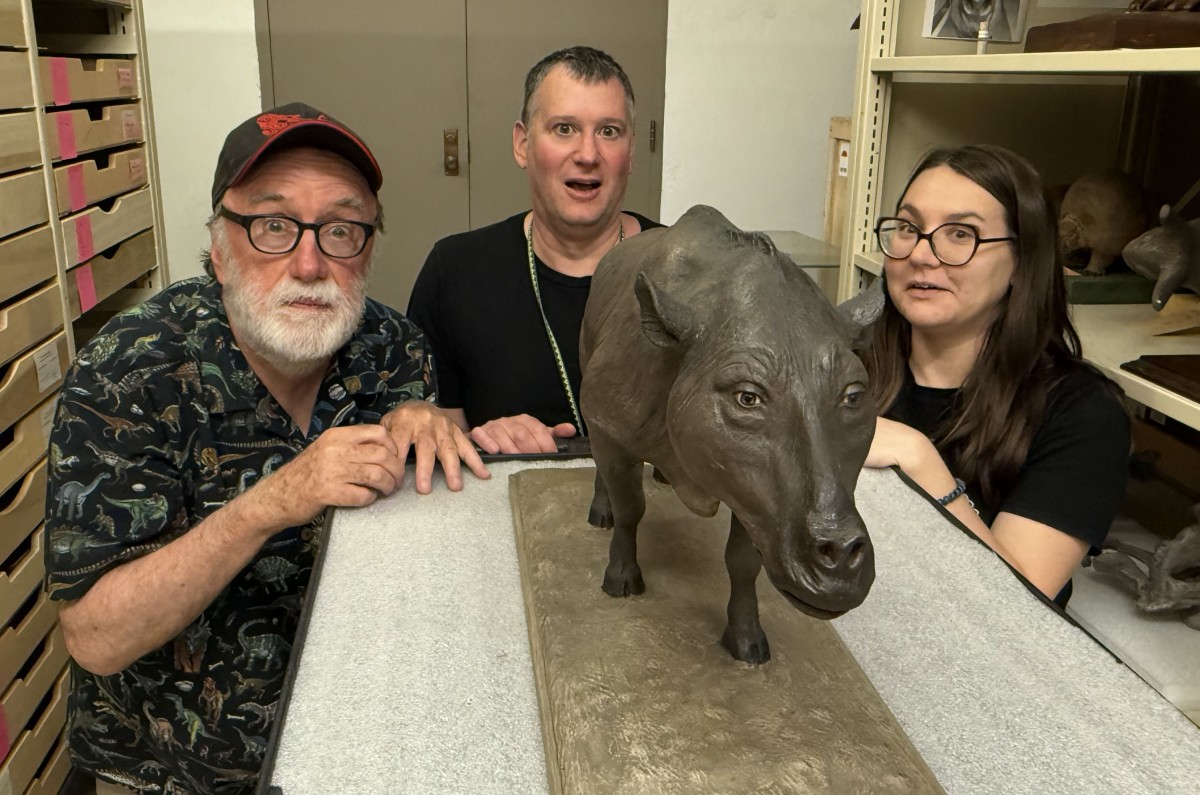
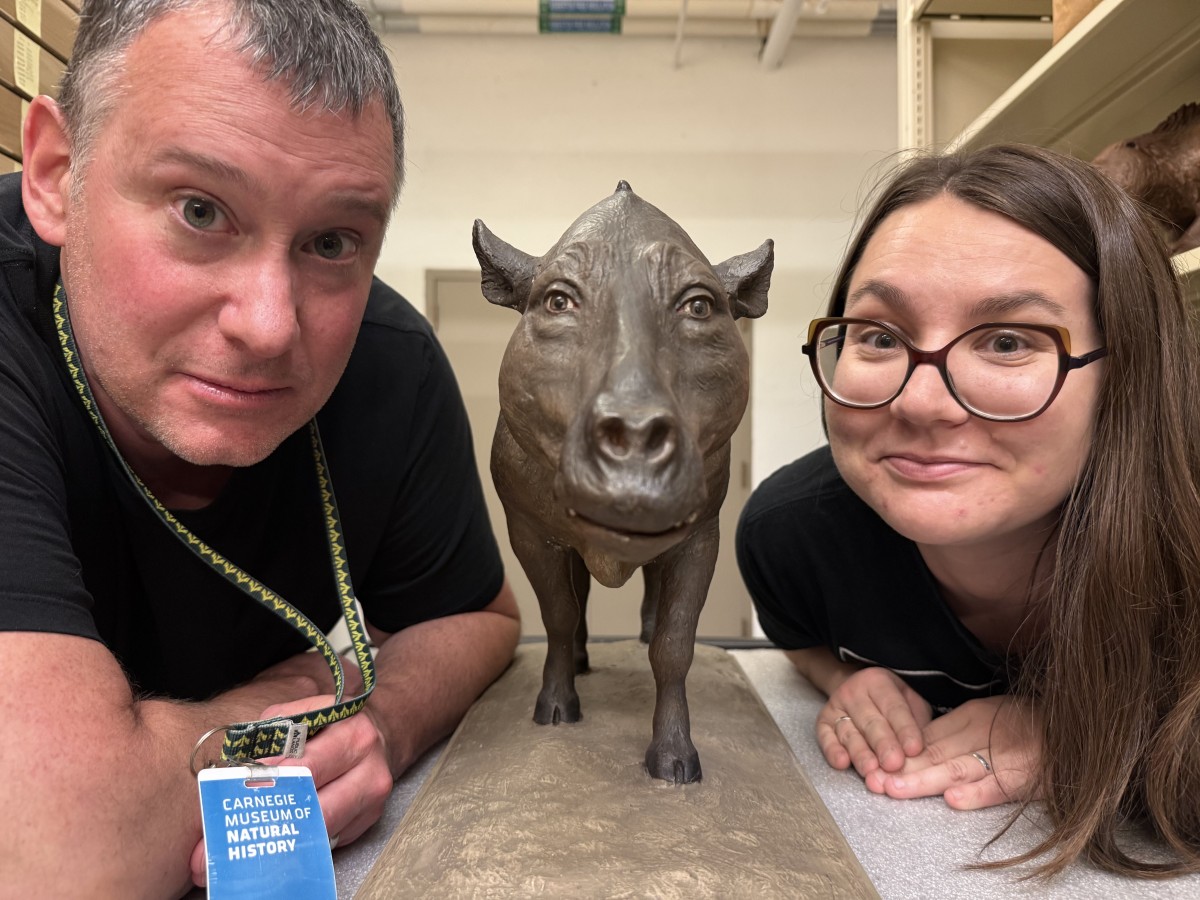
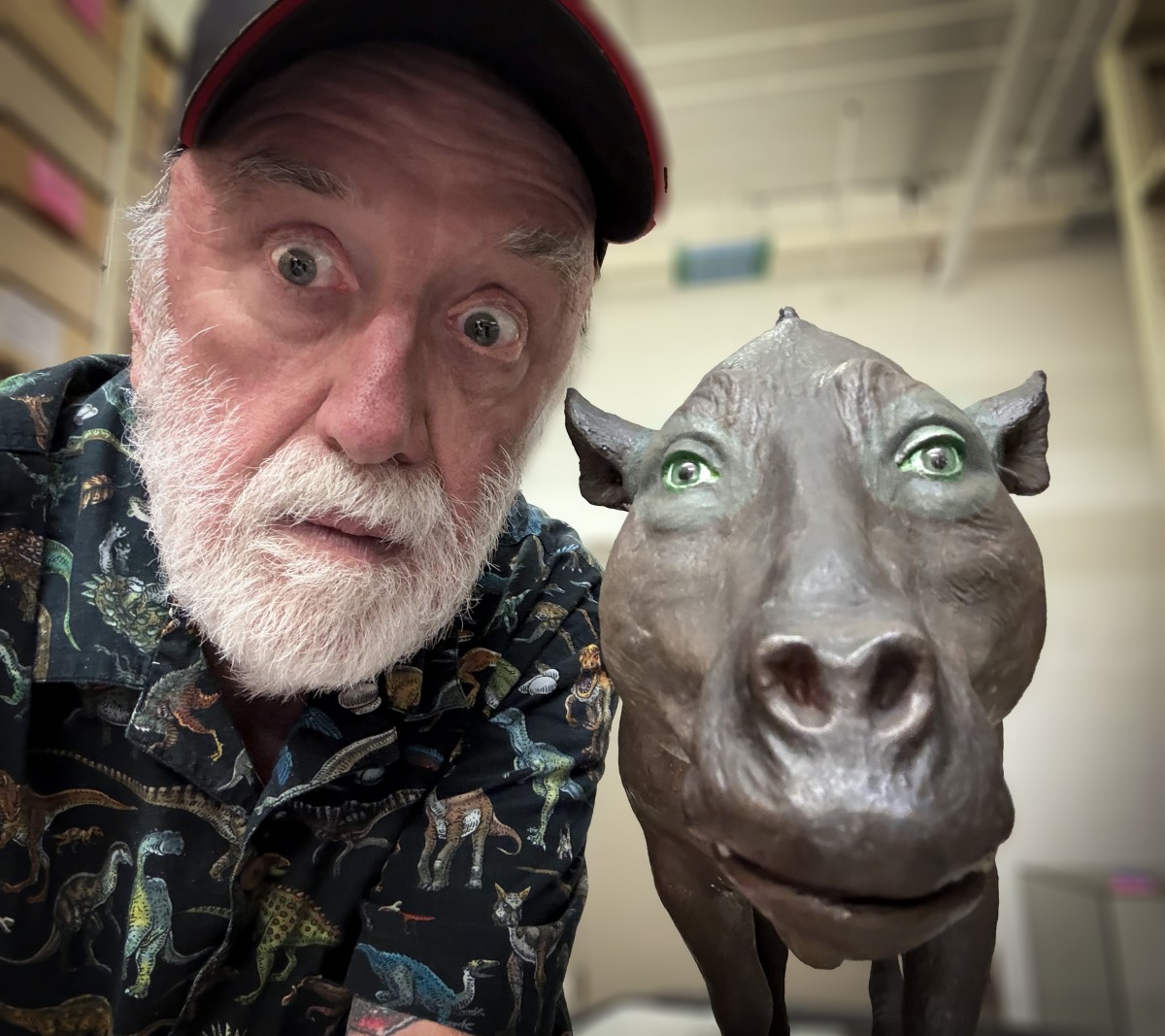
Deep in the museum's basement, in the Big Bone Room of the Vertebrate Paleontology collection, lurks a small model of Dinohyus, (AKA Daeodon) the terrible pig, sculpted in 1909 with eyes so eerily human that the staff swears it can steal your soul.
What is the difference between a holotype and a paratype, and have you ever heard of a lectotype? A holotype is the single name bearing specimen of a species, paratypes are the extra specimens used in the original description, and a lectotype is chosen after the fact from a set of syntypes. Fun fact: the lectotype for Homo sapiens is Carl Linnaeus himself. Get the full rundown in this guide to type specimens.
The colorful rock formations of Oregon's John Day Fossil Beds hold a world class record of plant and animal evolution, shifting climates, and ancient ecosystems spanning more than 40 million years.
MUSIC
Summertime by the Amish Robots
Mellow by Ray Troll
Cosmic Lunch by Ray Troll
Flicker of Light by Whiskey Class