07/29/2026
Episode #100: The Legendary Philip J. Currie and the Real Dinosaur Park
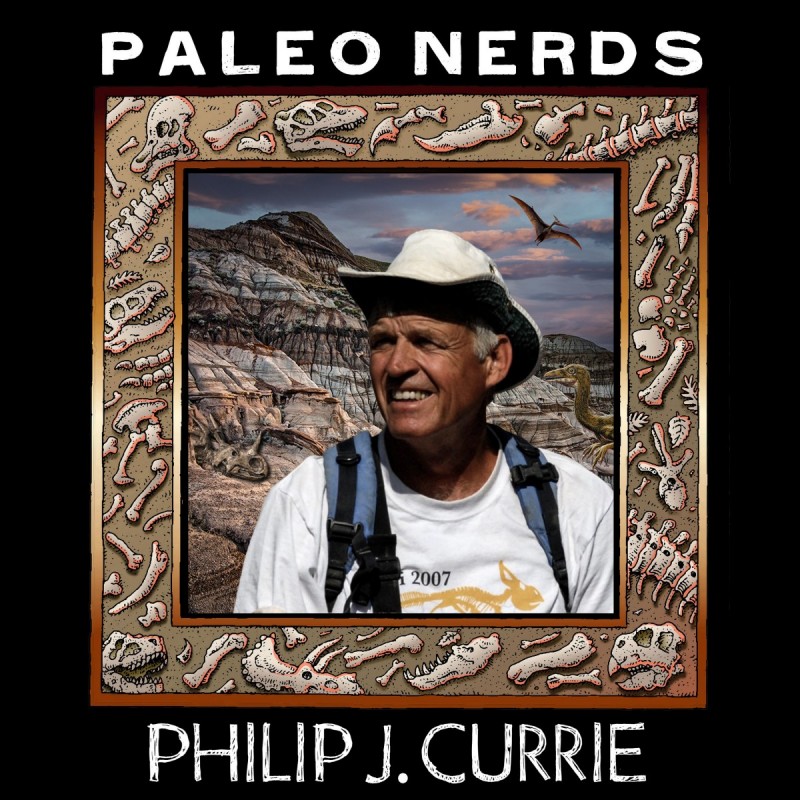
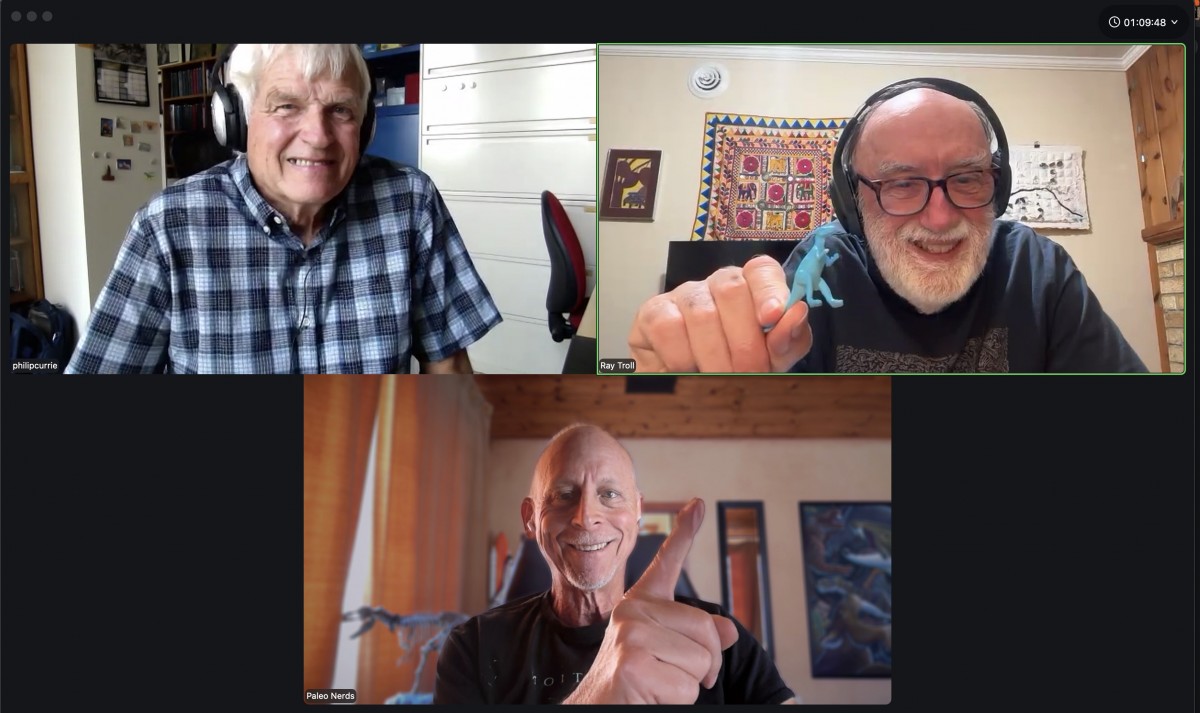
Ray and Dave celebrate their 100th episode of Paleo Nerds with the legendary paleontologist and co-founder of the Royal Tyrrell Museum in Alberta, Philip J. Currie
Ep 100 Paleo Nerds with Philip J. Currie
Pre-Interview Links
A giant scorpion the size of a coffee table, an old fossil given a fresh new look, is quietly rewriting how we thought life managed to grow so large in the ancient seas.
Interview Links
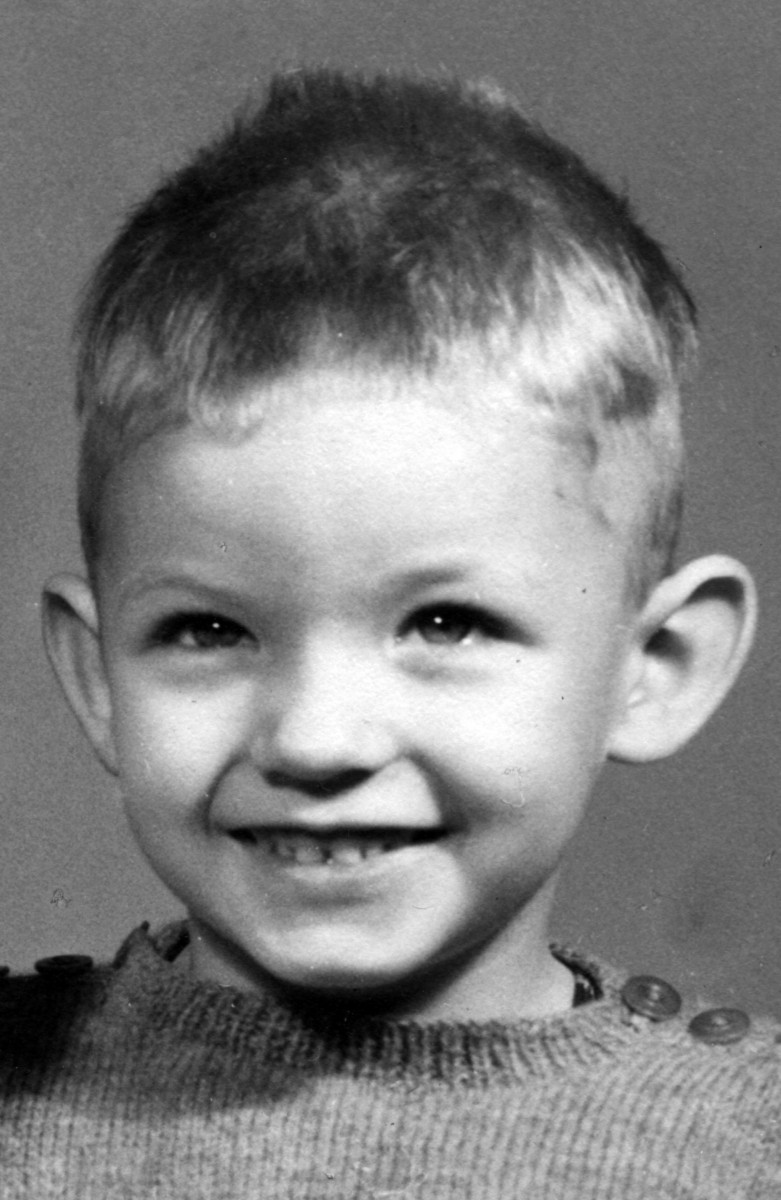
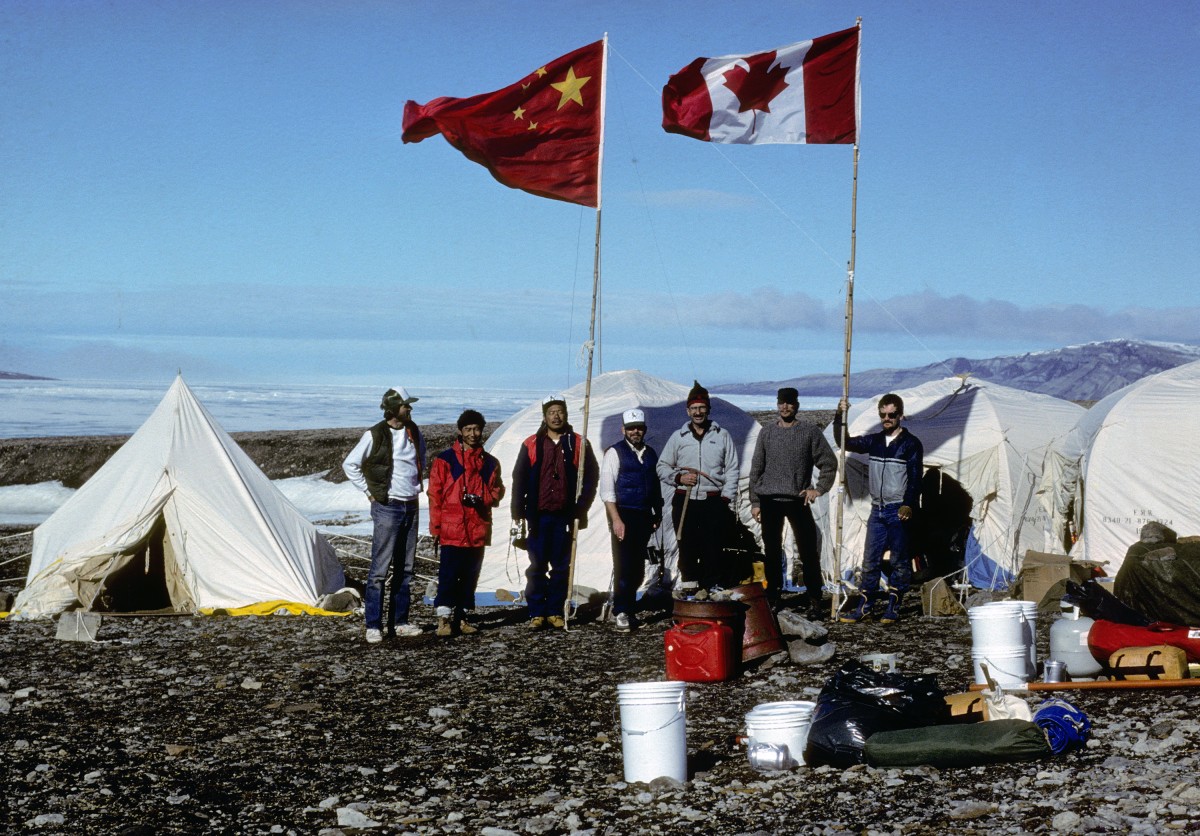
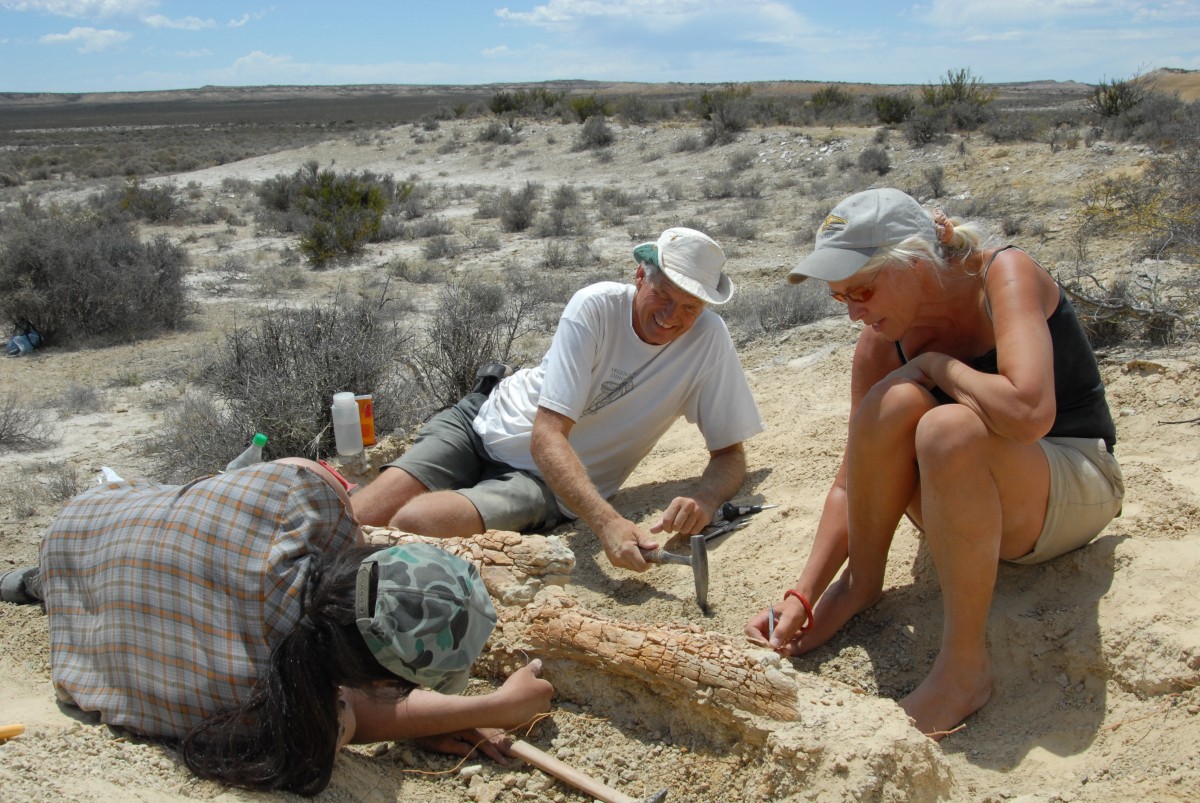
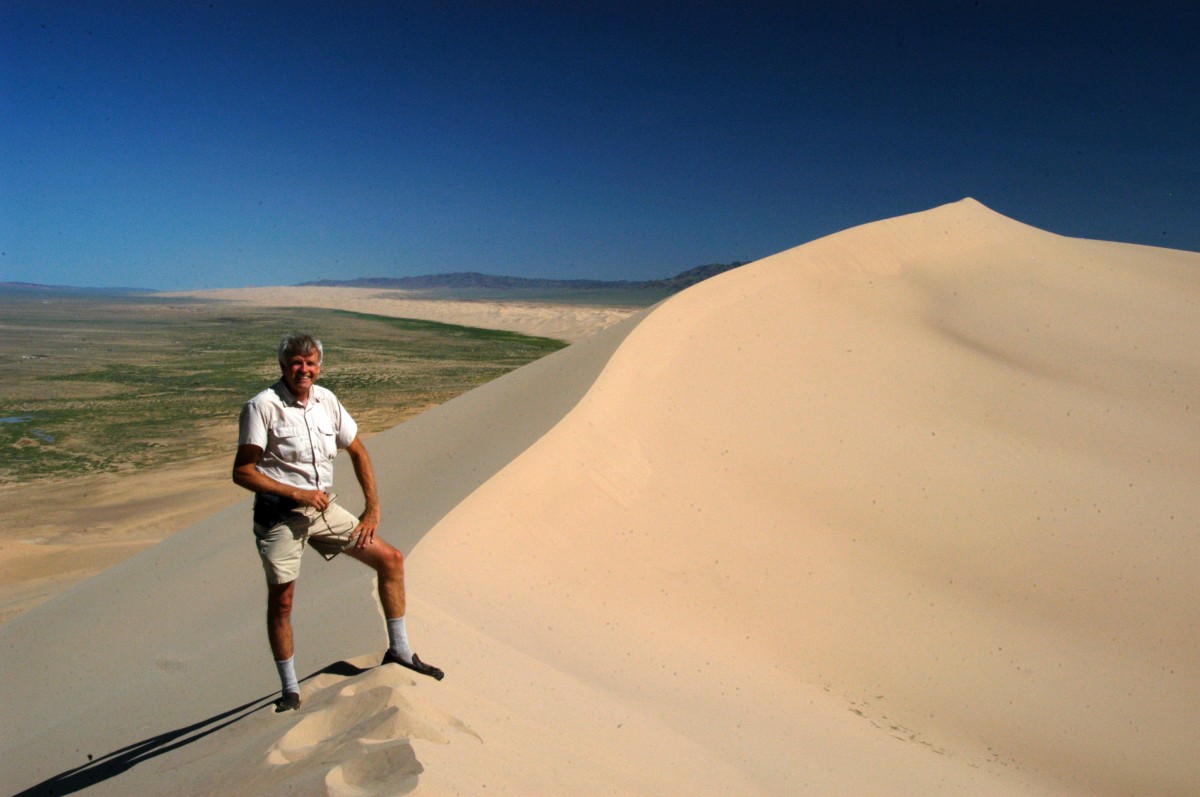
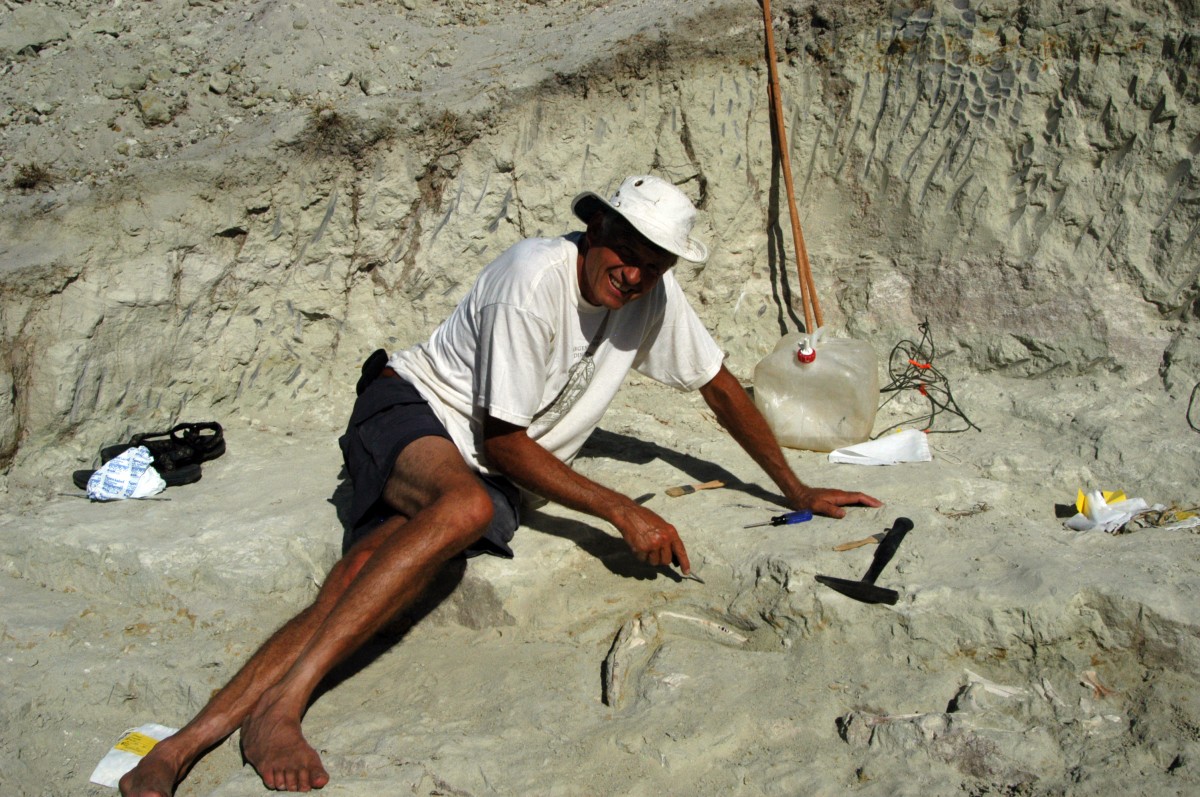
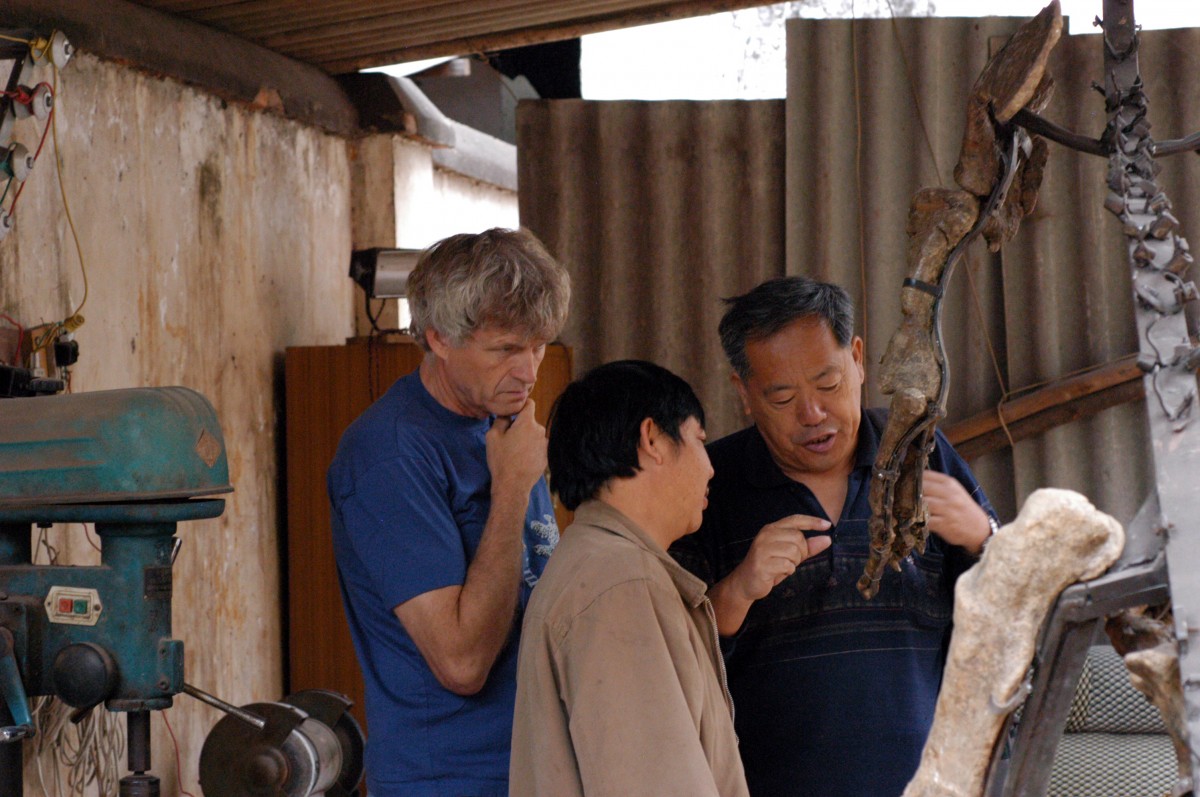
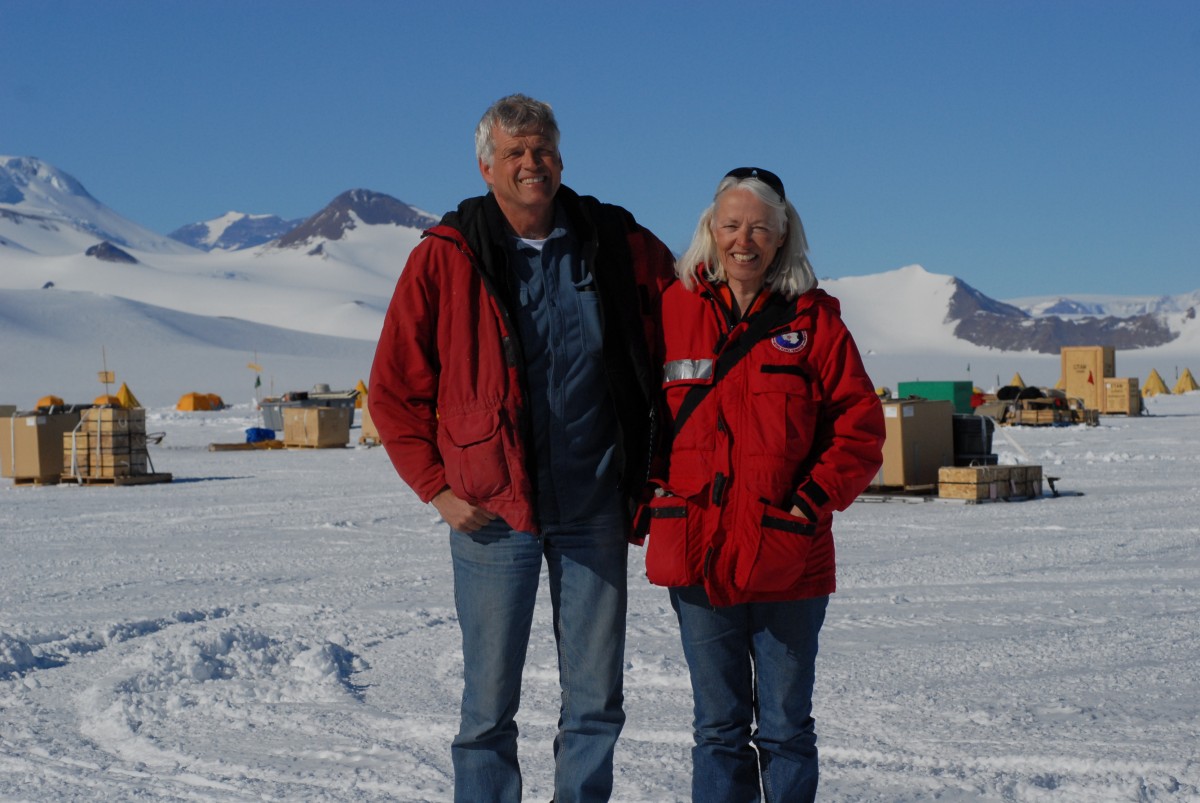
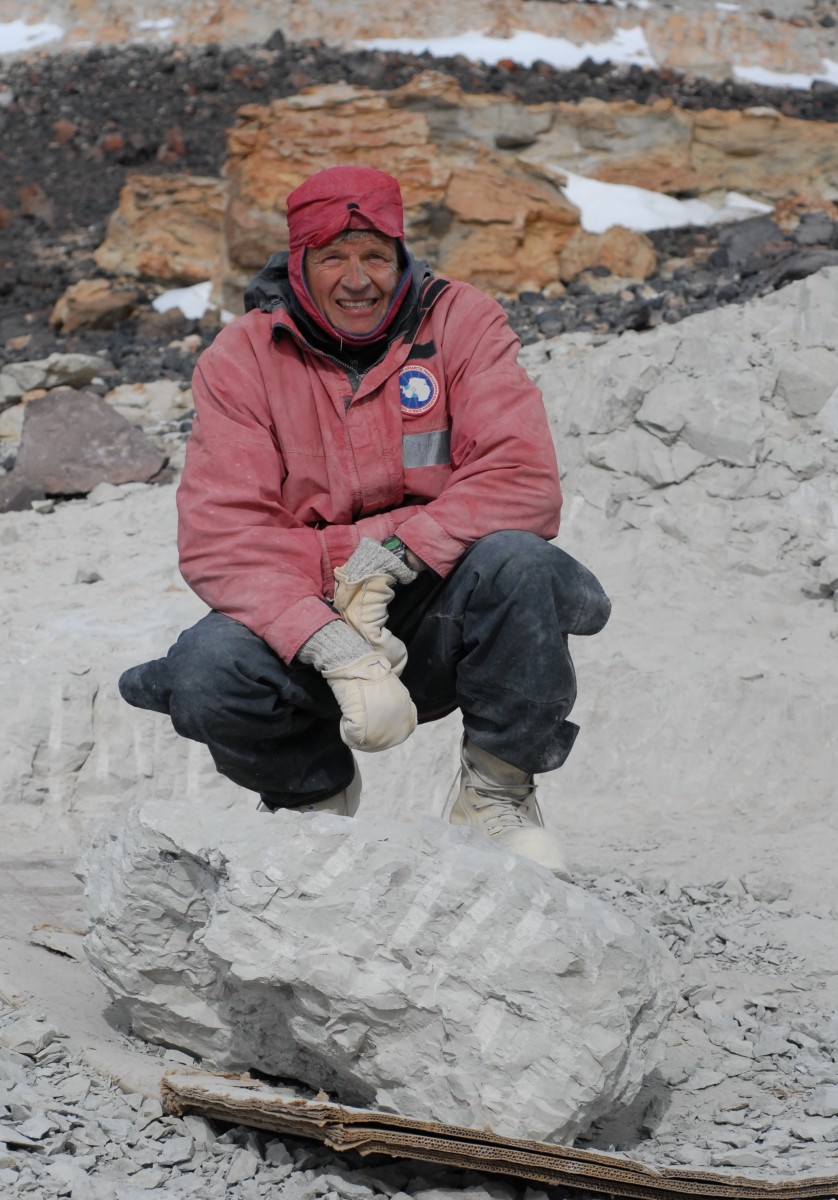
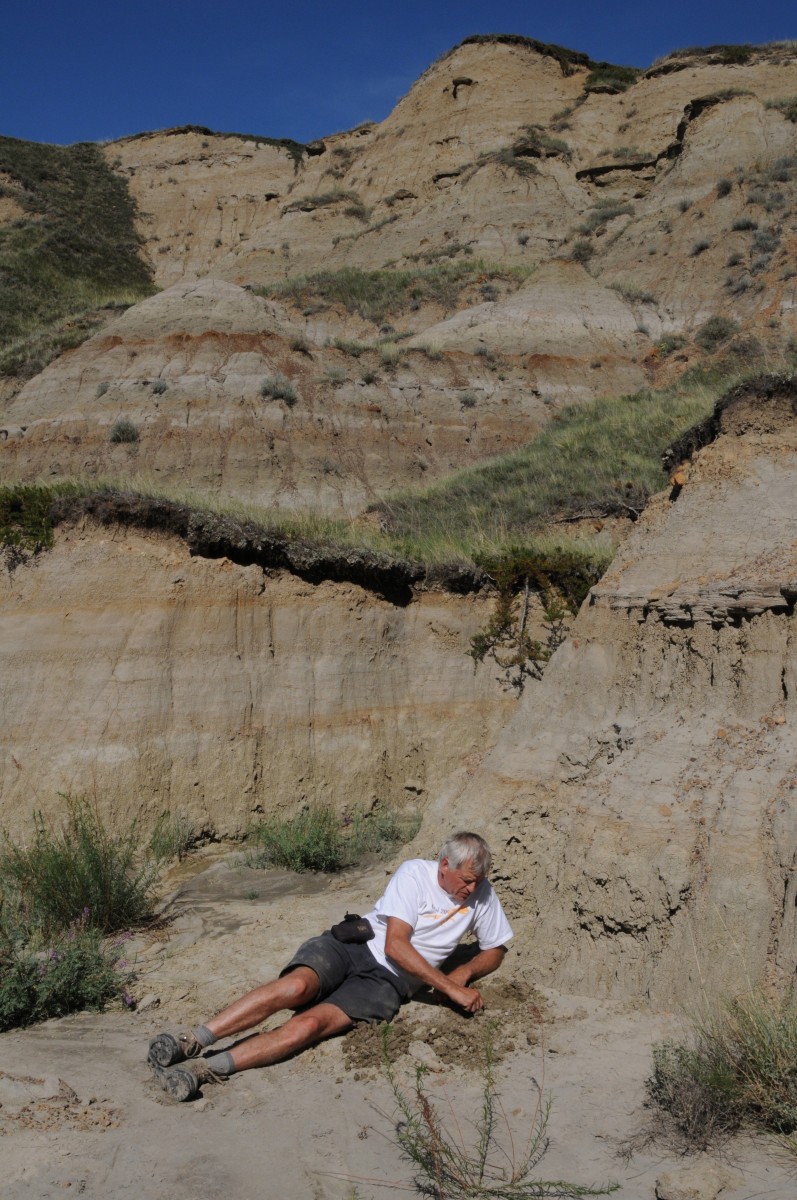
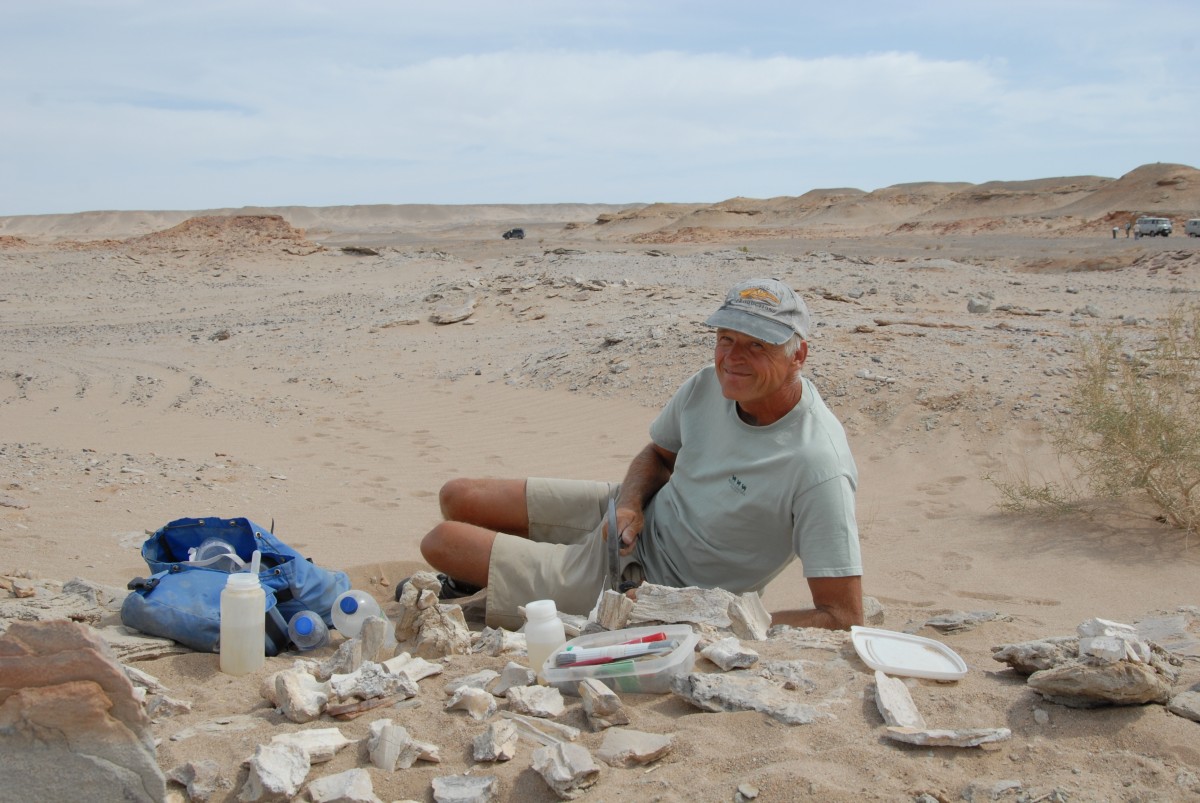
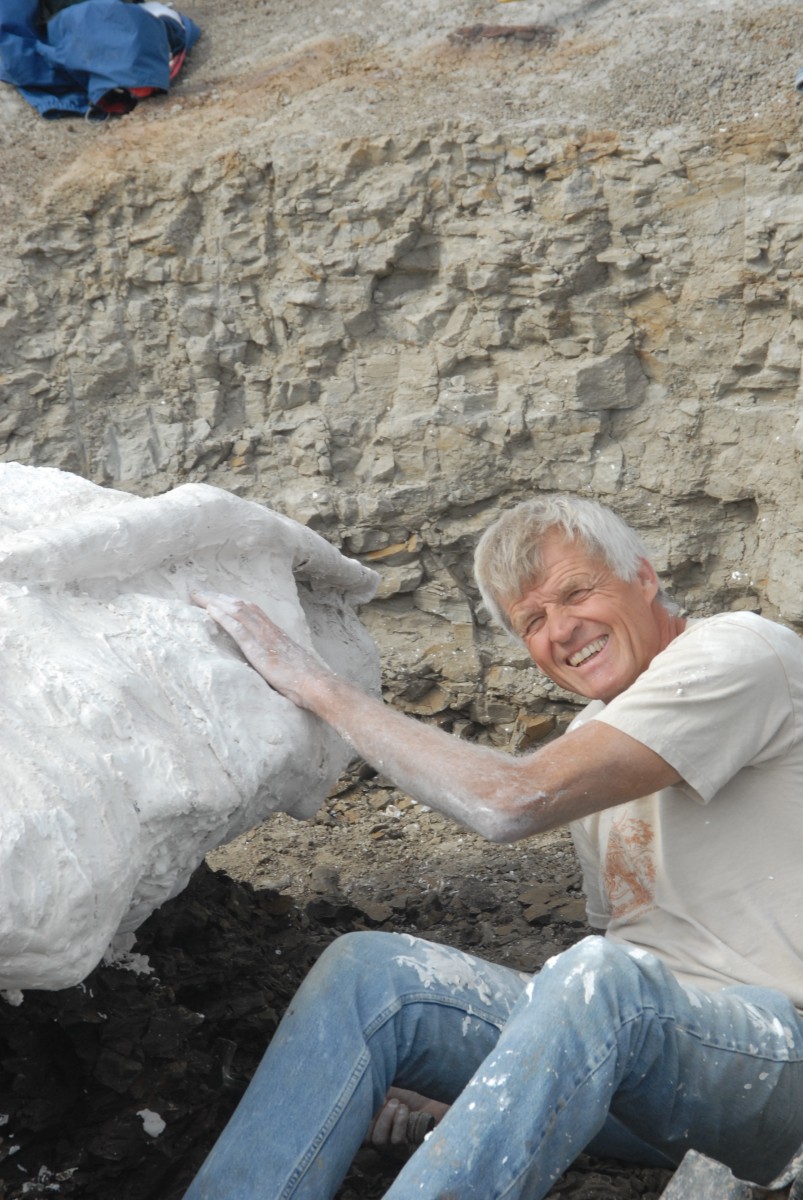
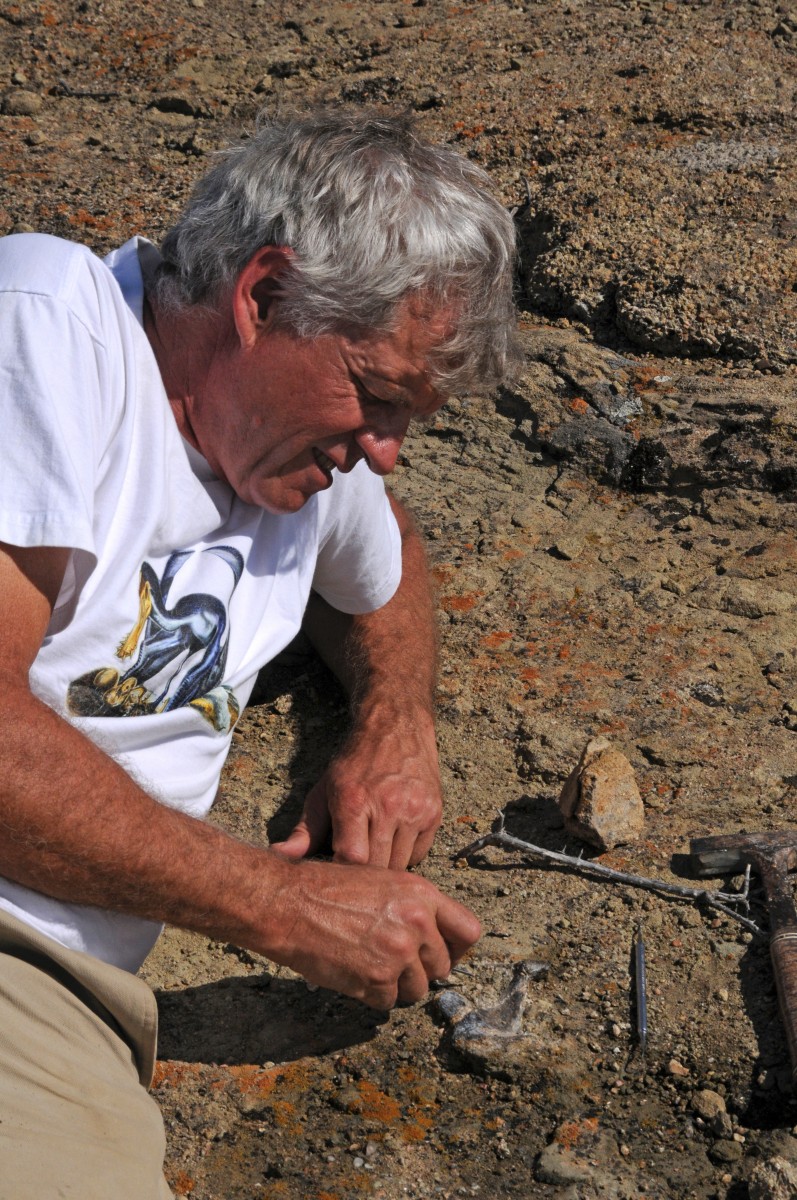
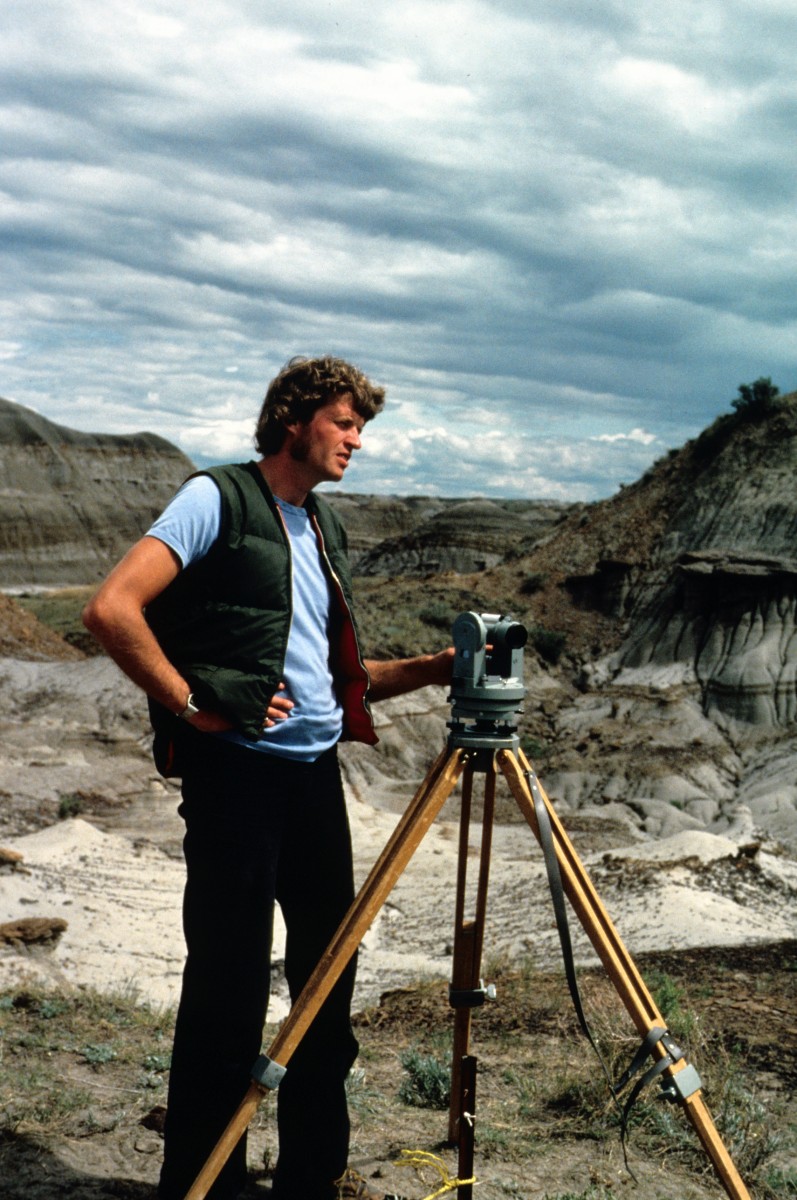
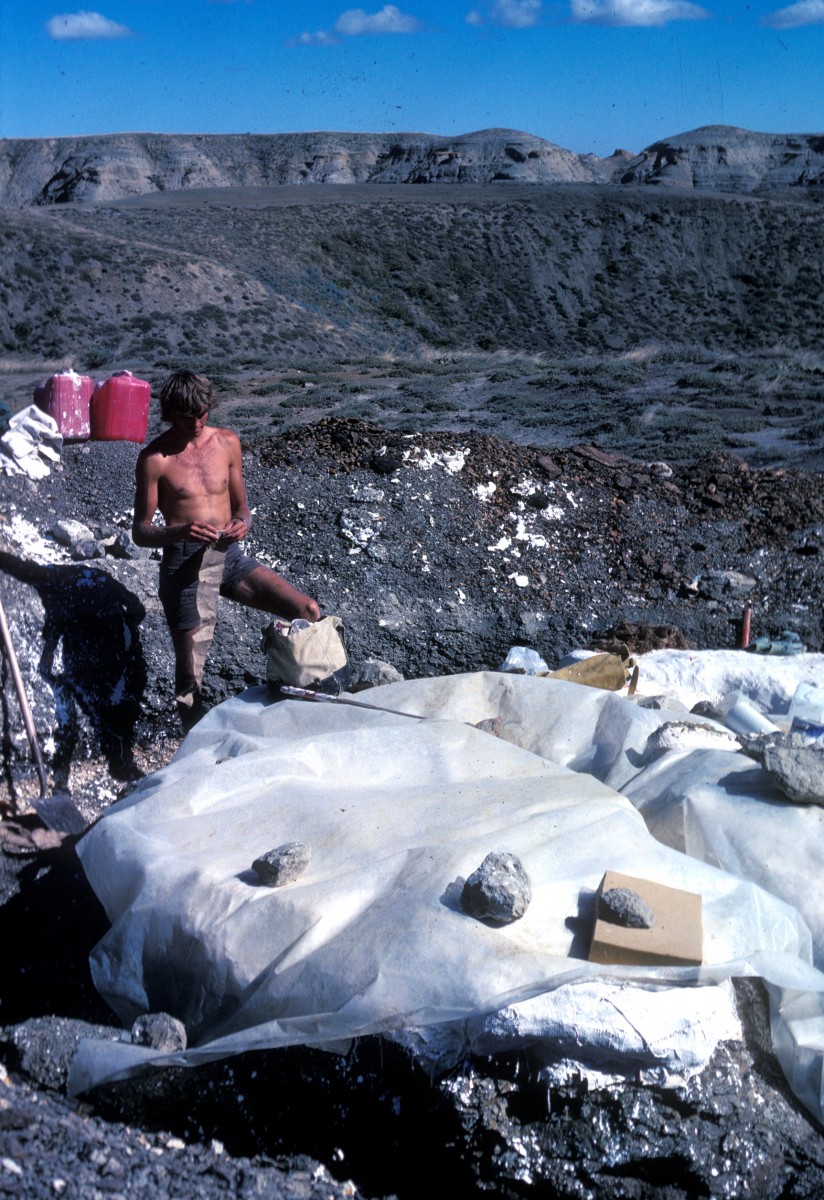
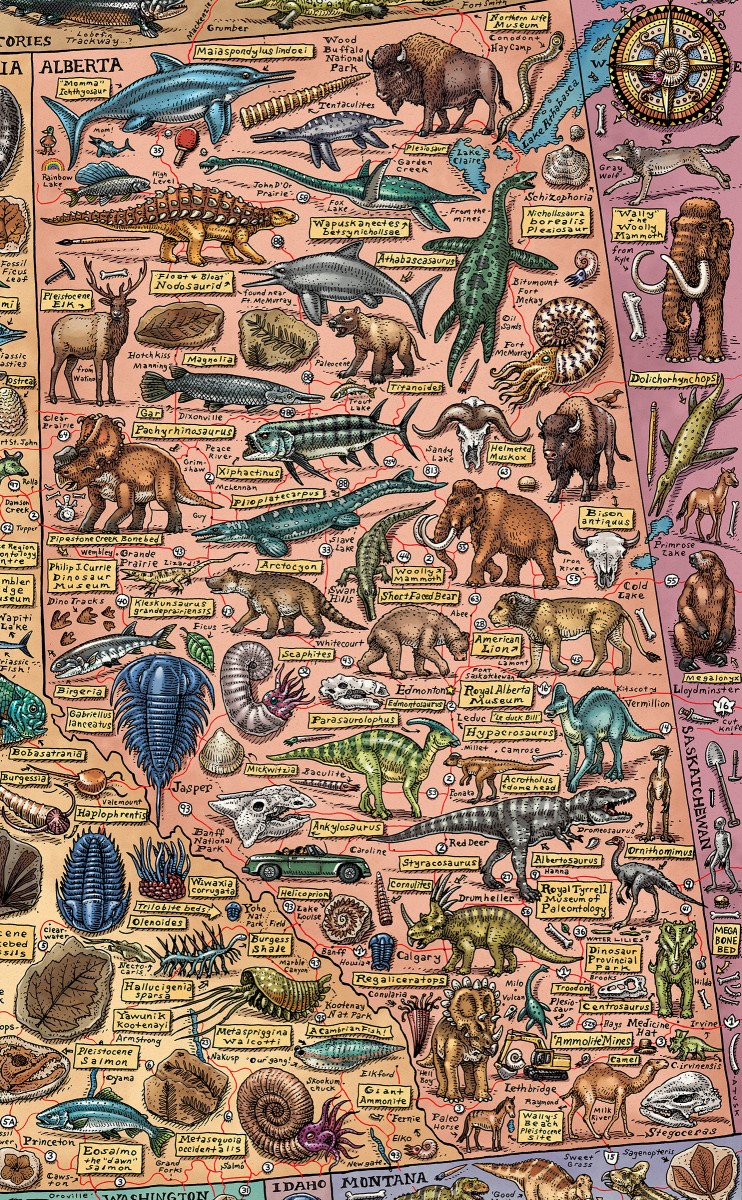
Phil J. Currie is a world renowned vertebrate paleontologist and museum curator whose decades of fieldwork across Alberta helped establish the Royal Tyrrell Museum of Palaeontology, now a global mecca for dinosaur science.
Barnum Brown was a legendary and famously dapper American paleontologist who prospected the badlands of western Canada and, in 1902, pulled the first recognized bones of Tyrannosaurus rex out of the rock.
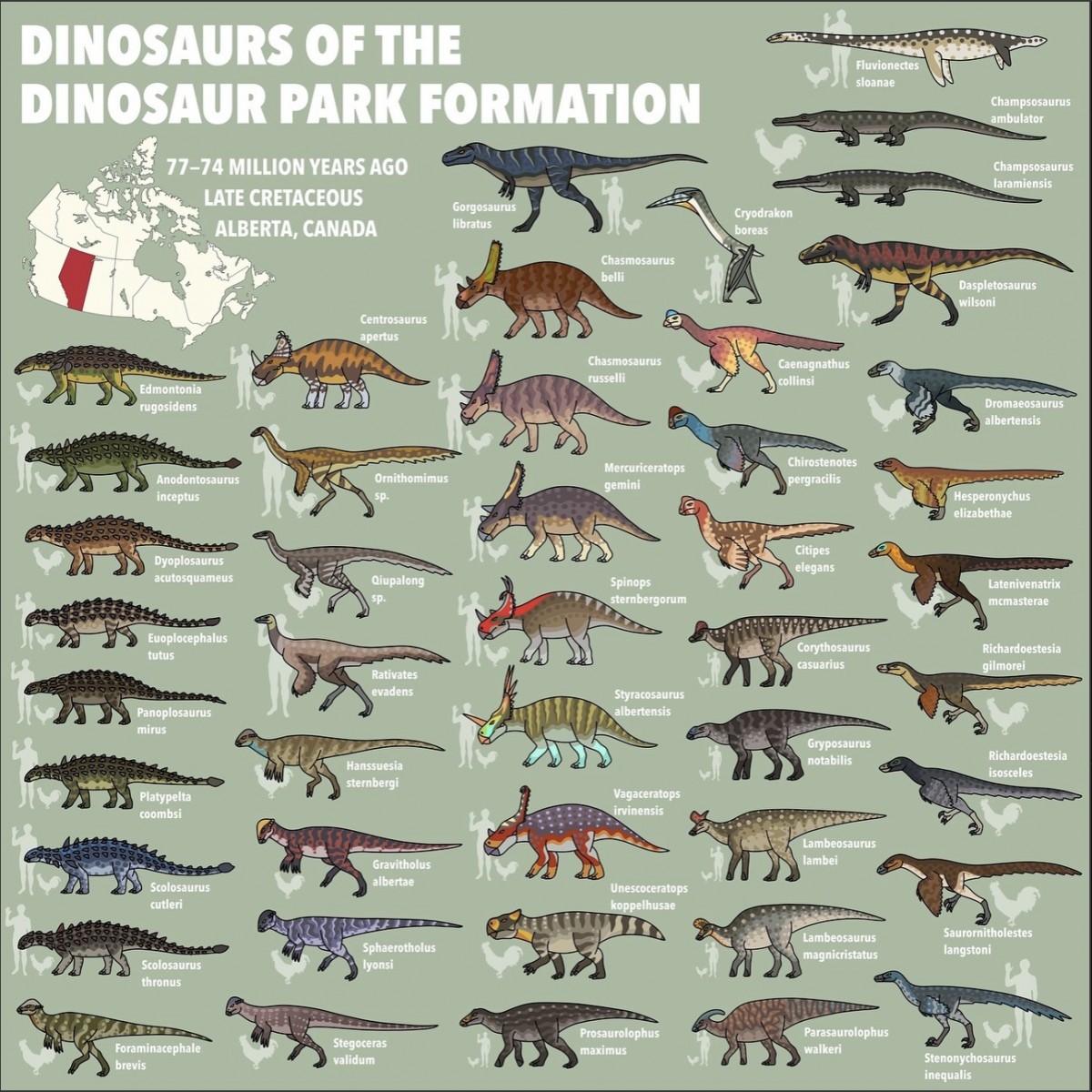
The Dinosaur Park Formation is a Late Cretaceous rock unit in southern Alberta, laid down roughly 76.5 to 74.4 million years ago, and it is world renowned for holding one of the densest and most diverse graveyards of dinosaurs anywhere on Earth.
The Campanian is the second to last age of the Cretaceous, the very slice of deep time in which the Dinosaur Park Formation was buried and its astonishing cast of dinosaurs lived and died.
Drumheller is a small Canadian town cradled by dramatic badlands, a maze of eroded coulees and hoodoos that has surrendered some of the richest dinosaur fossils on the planet.
Wann Langston Jr. is credited with finding dinosaur eggs in Alberta, although at the time he had no idea that was what he was actually holding in his hands.
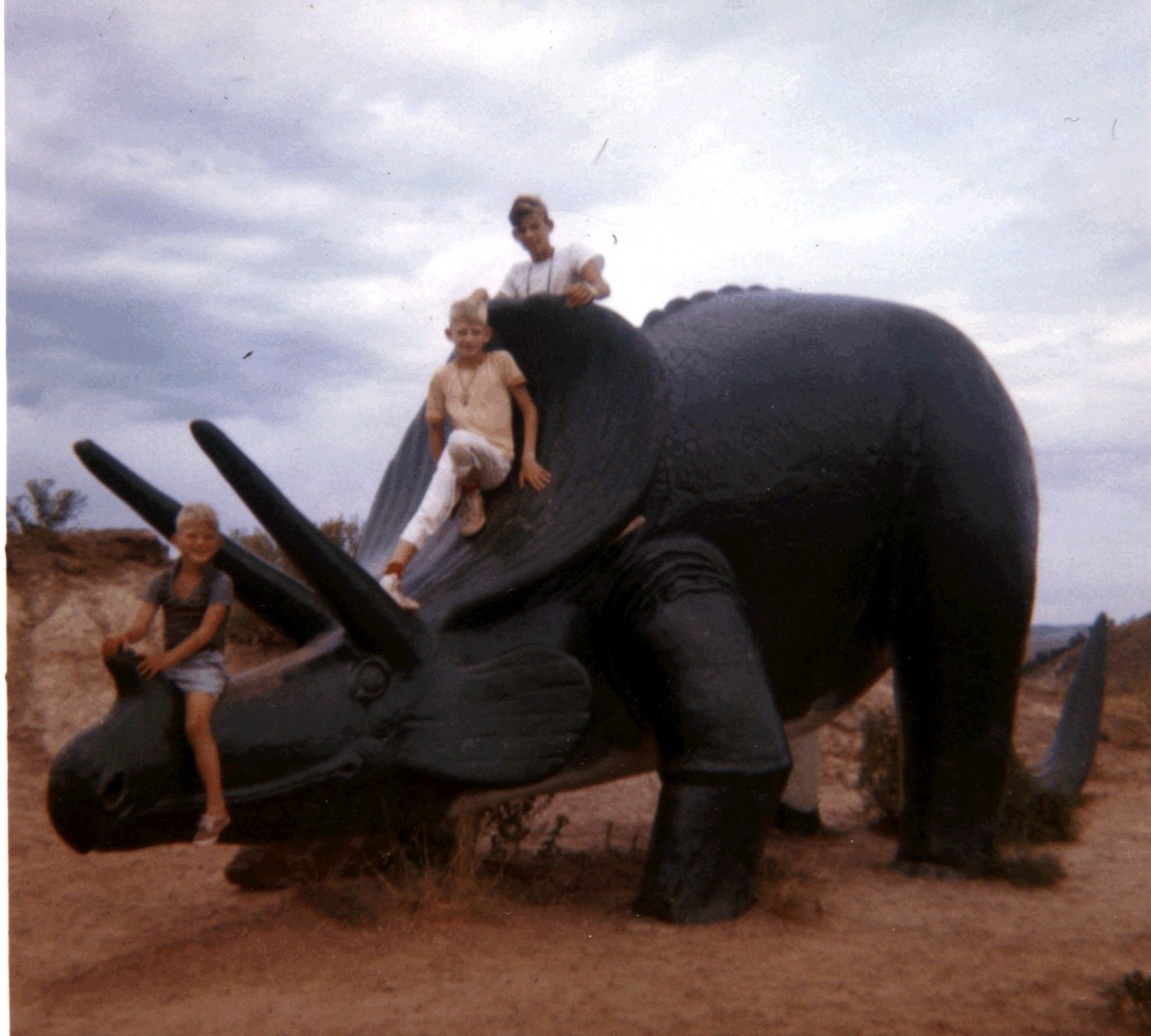
The spiky Styracosaurus was a horned dinosaur in the same broad family as Triceratops, instantly recognizable for the flamboyant crown of long spikes that flared from its neck frill.
Before Tyrannosaurus rex claimed the throne, the fearsome Gorgosaurus stalked Alberta roughly 77 to 74.5 million years ago, a swift and powerful tyrannosaur that reigned as apex predator in its own day.
After Gorgosaurus came Albertosaurus, another formidable theropod that prowled the region roughly 72.5 to 69 million years ago, one more tyrant lizard in the lineage marching toward the King himself, T. rex.
Philip has spent considerable time studying Troodon, a small theropod often pictured with a large brain and keen forward facing eyes.
But that flattering picture comes with a catch, because the name Troodon rests on a single tooth, so no one can really say for certain what the animal was, let alone crown it the smartest dinosaur of the Mesozoic.
This kind of uncertainty is a classic showdown between Lumpers and Splitters, the two opposing camps found in any field that must sort messy real world specimens into tidy, rigorously defined categories.
The splitters can claim a trophy here, since there is now a troodontid named in Philip's honor called Albertavenator, teased apart from bones once lumped in with Troodon.
Alberta also holds the haunting evidence of an Albertosaurus mass death assemblage, a bonebed where many individuals perished together and hinted, controversially, that these giant predators may have traveled in packs.
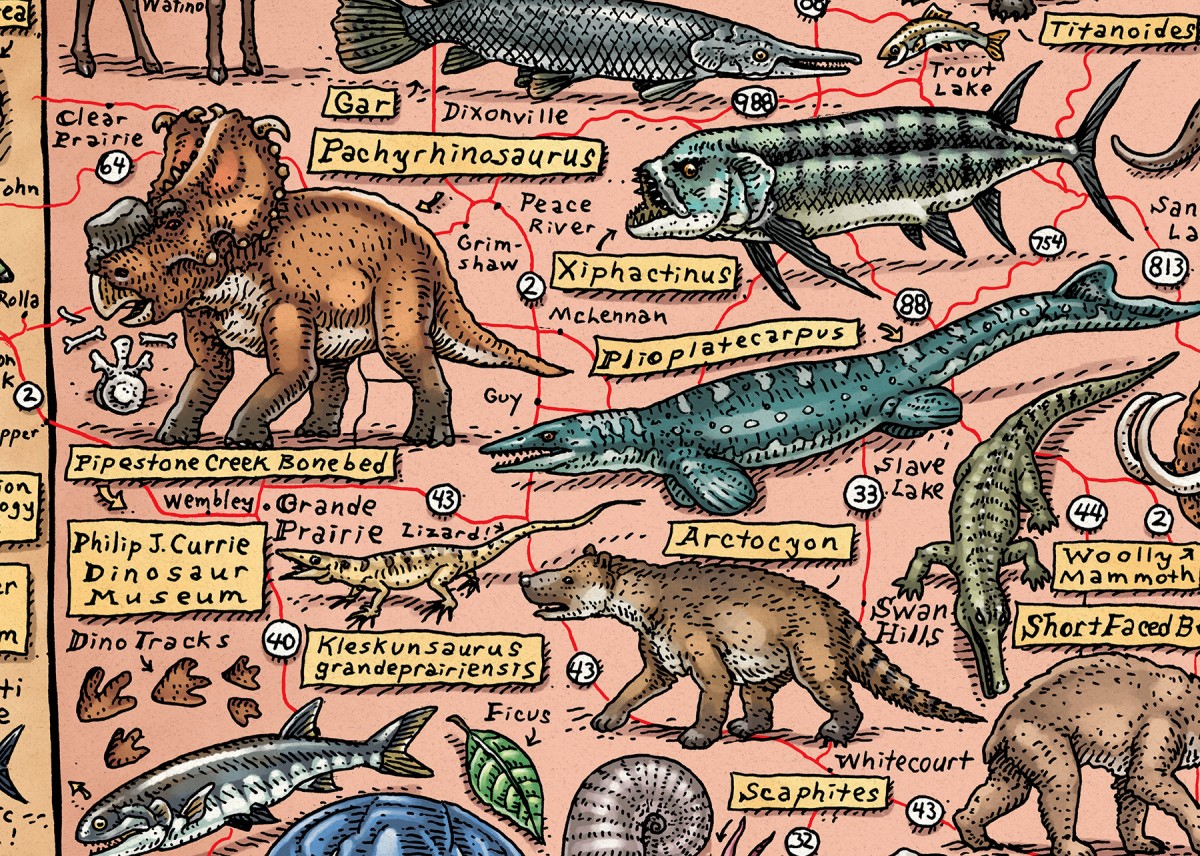
Philip's contributions loom so large that an entire institution carries his name, the Philip J. Currie Dinosaur Museum in Wembley, Alberta, and in perhaps the biggest honor of all, this research and public museum in the fossil rich northwest began life under the wonderfully ominous name The River of Death and Discovery Dinosaur Museum.
This Pachyrhinosaurus death assemblage video on YouTube captures a vast jumble of bones from the horned dinosaur famous for the thick bony boss on its snout, a snapshot of catastrophic herd mortality on an ancient floodplain.
For more on the animal itself, Pachyrhinosaurus was a bulky ceratopsian that swapped the usual nose horn for that strange rugose boss, a piece of skull anatomy paleontologists are still puzzling over.
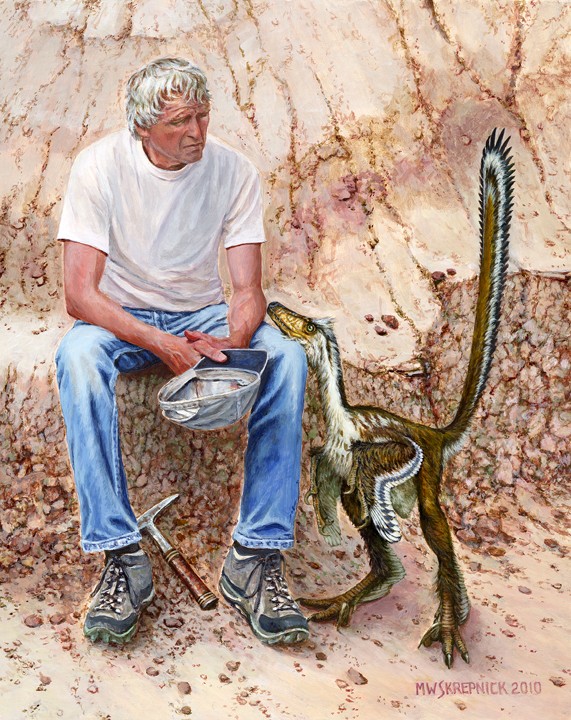
If handed a time machine, the dinosaur Philip would most like to meet is Saurornitholestes, a sleek dromaeosaurid armed with a wickedly curved sickle claw and every bit the nimble, formidable little hunter.
Since it is the 100th episode, Dave recapped his own dream destination in deep time, the Archean eon, where he would watch the very first living cell flicker into being, the first moment of life on planet Earth.
And Ray would leap to the Devonian to greet that first brave tetrapod hauling itself onto land, the ancestor of all land based vertebrate life, only to shout at it, "Go Back! Not a good choice!" lol
MUSIC
Taxi by the Amish Robots
Karpinsky's Lament by Russell Wodehouse
Whorl Tooth Sharks of Idaho by Three Trails West
Jurassic Park Theme Song by John Williams
Seconds in a Lifetime by Russell Wodehouse