01/28/2026
Ep #94 The Marvelous Mini-Monsters of Mazon Creek with Arjan Mann
Ray and Dave discuss the amazing biota of the Mazon Creek Lagerstätte with Arjan Mann, Assistant Curator of Fossil Fishes & Early Tetrapods at the Field Museum in Chicago
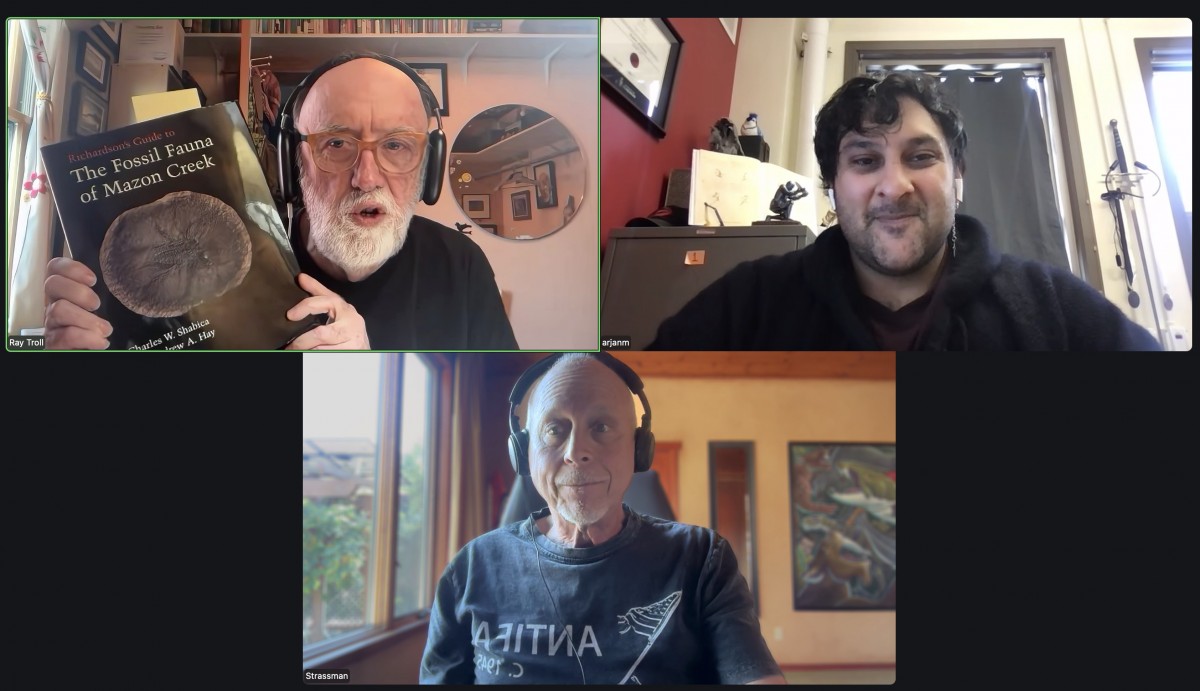
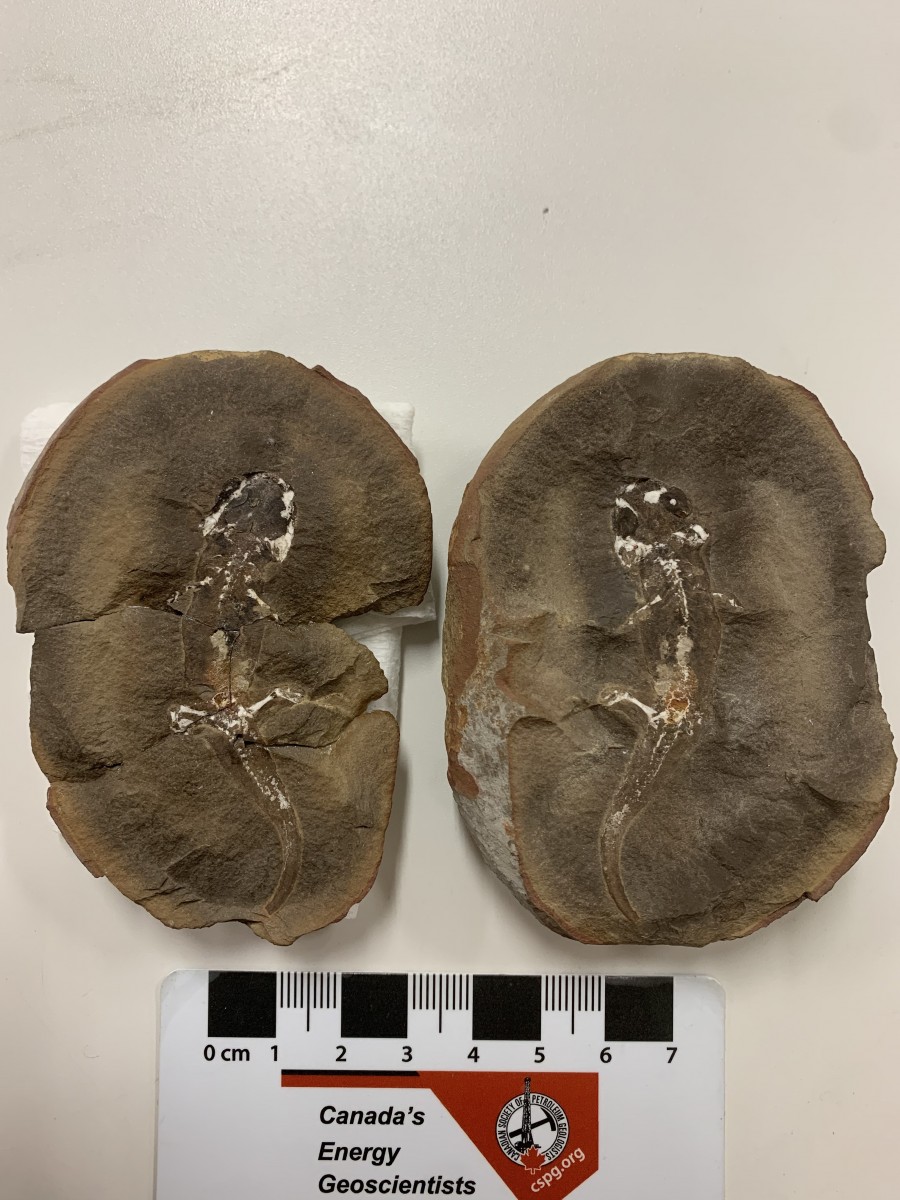
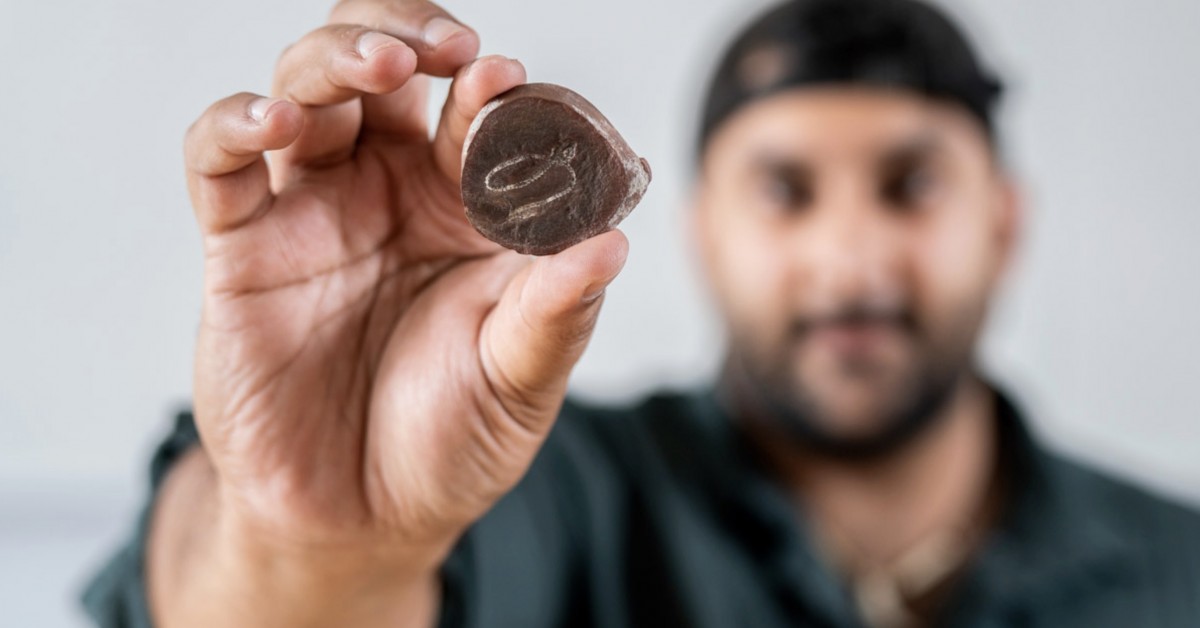
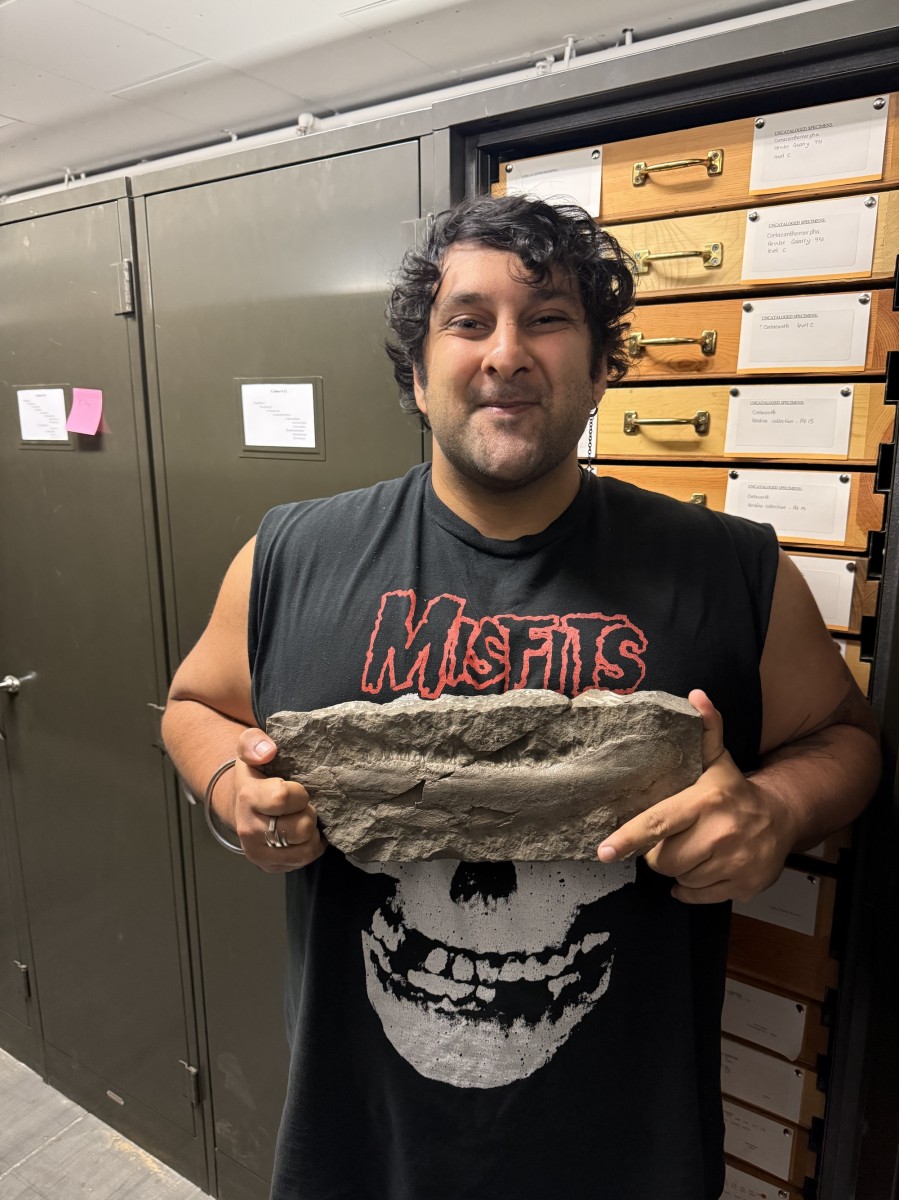
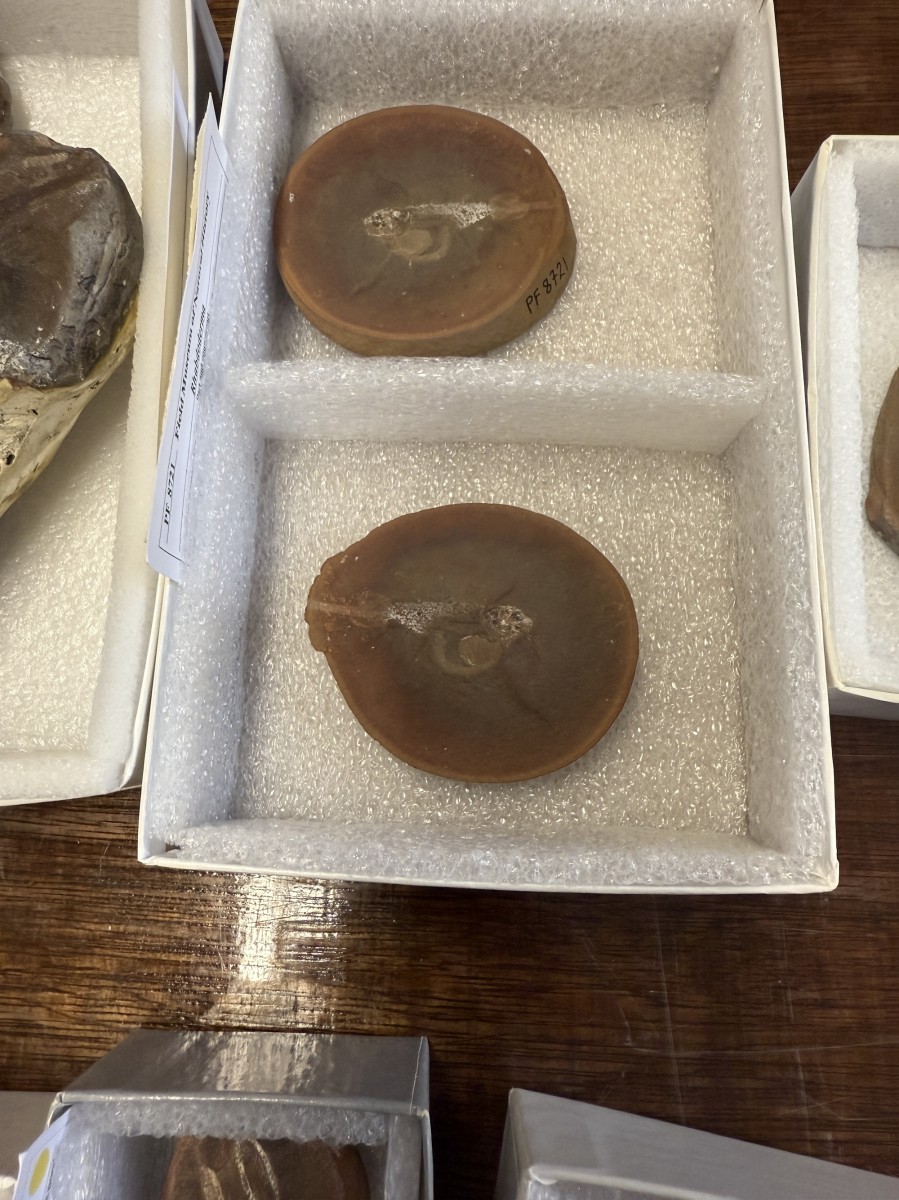
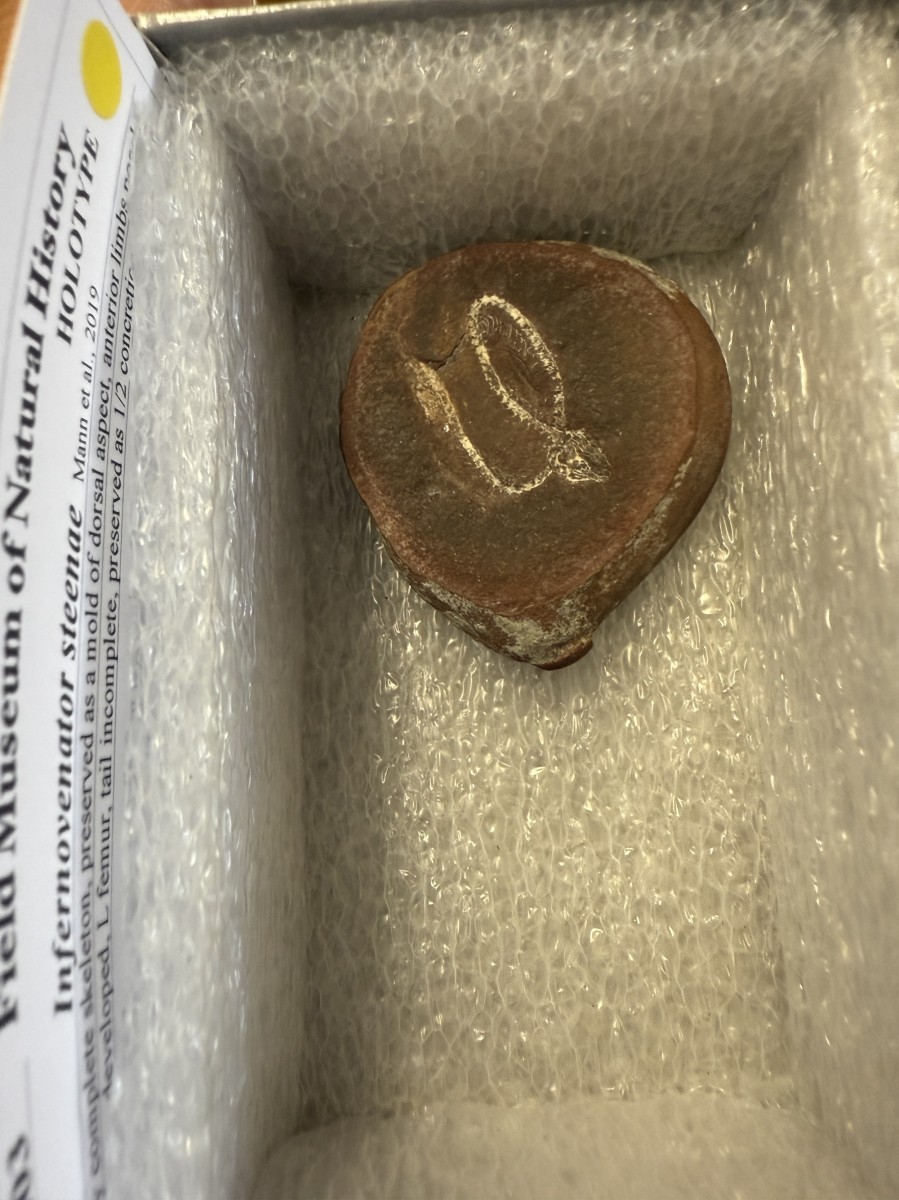
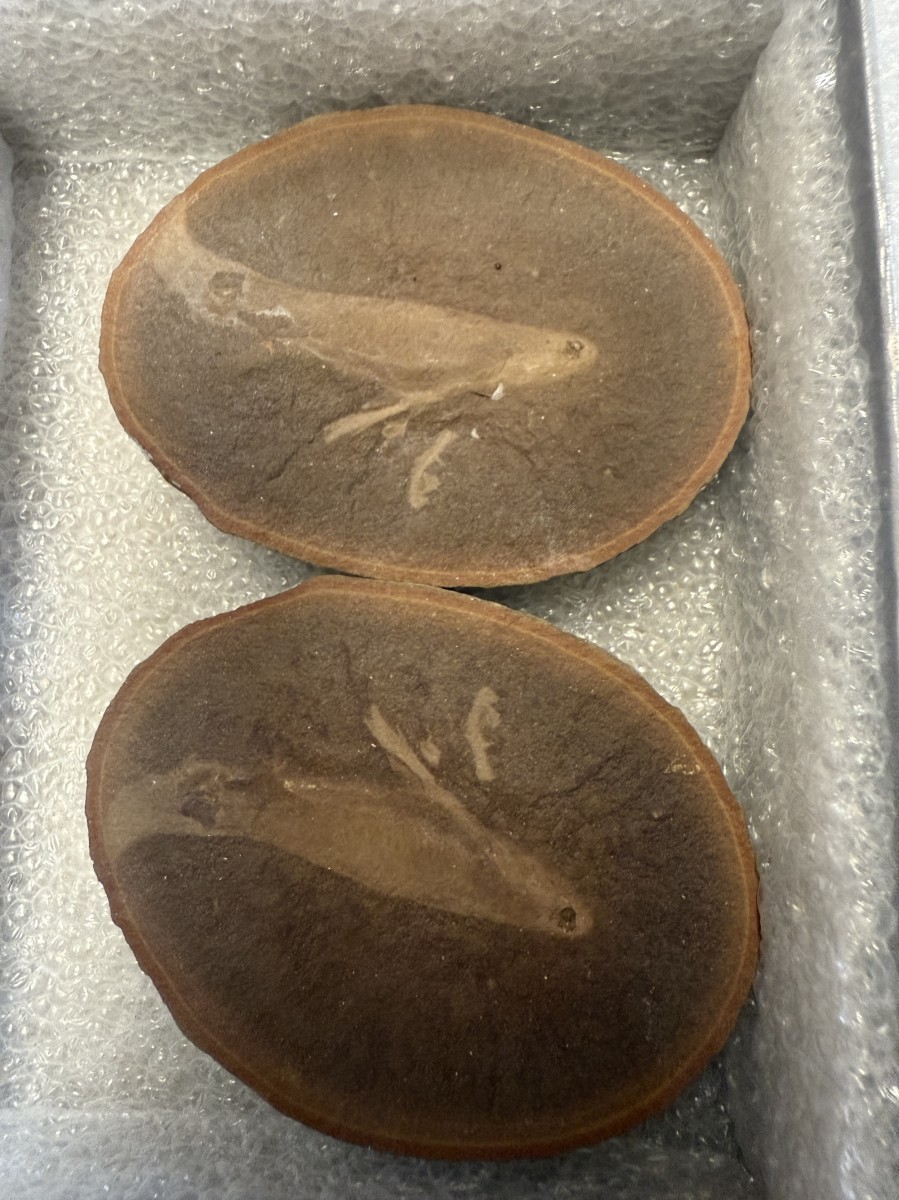
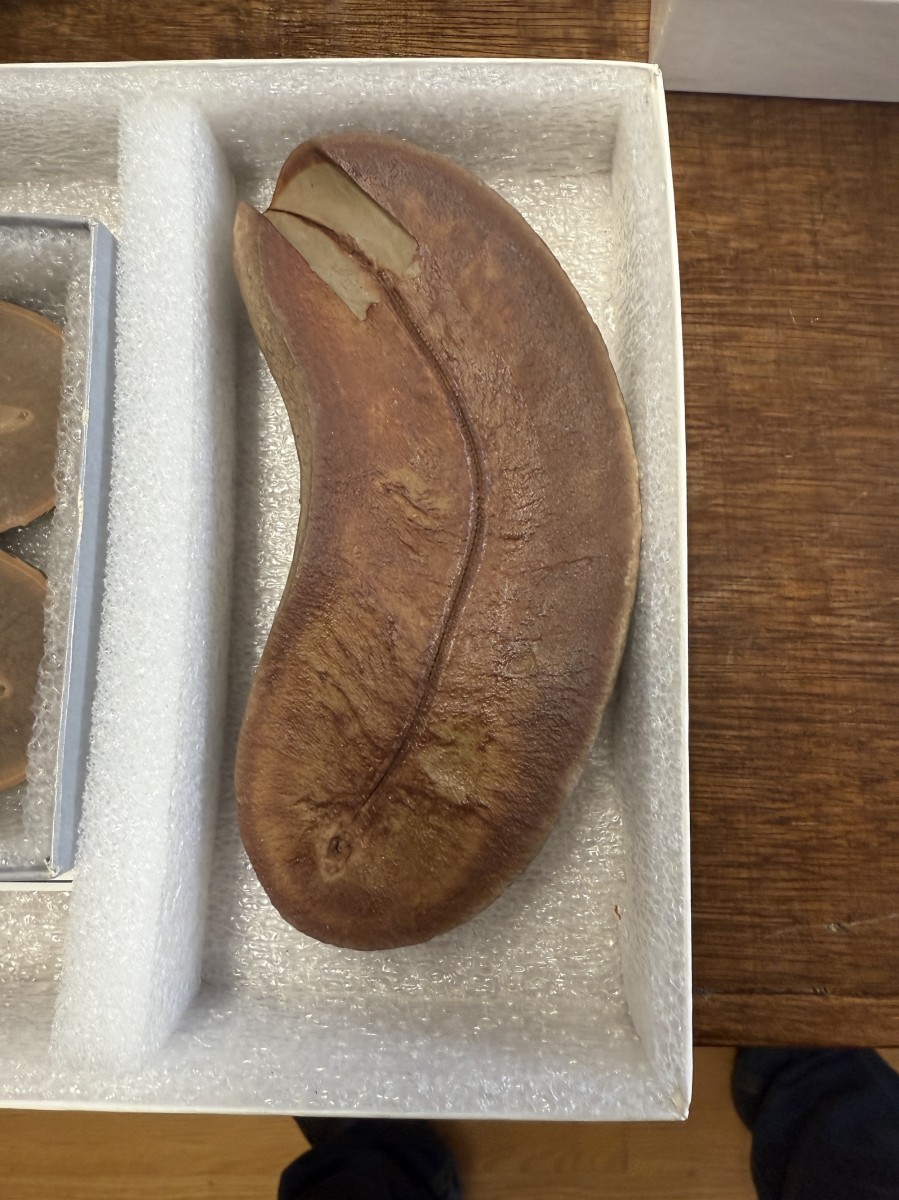
Ep 94 Paleo Nerds with Arjan Mann
LINKS
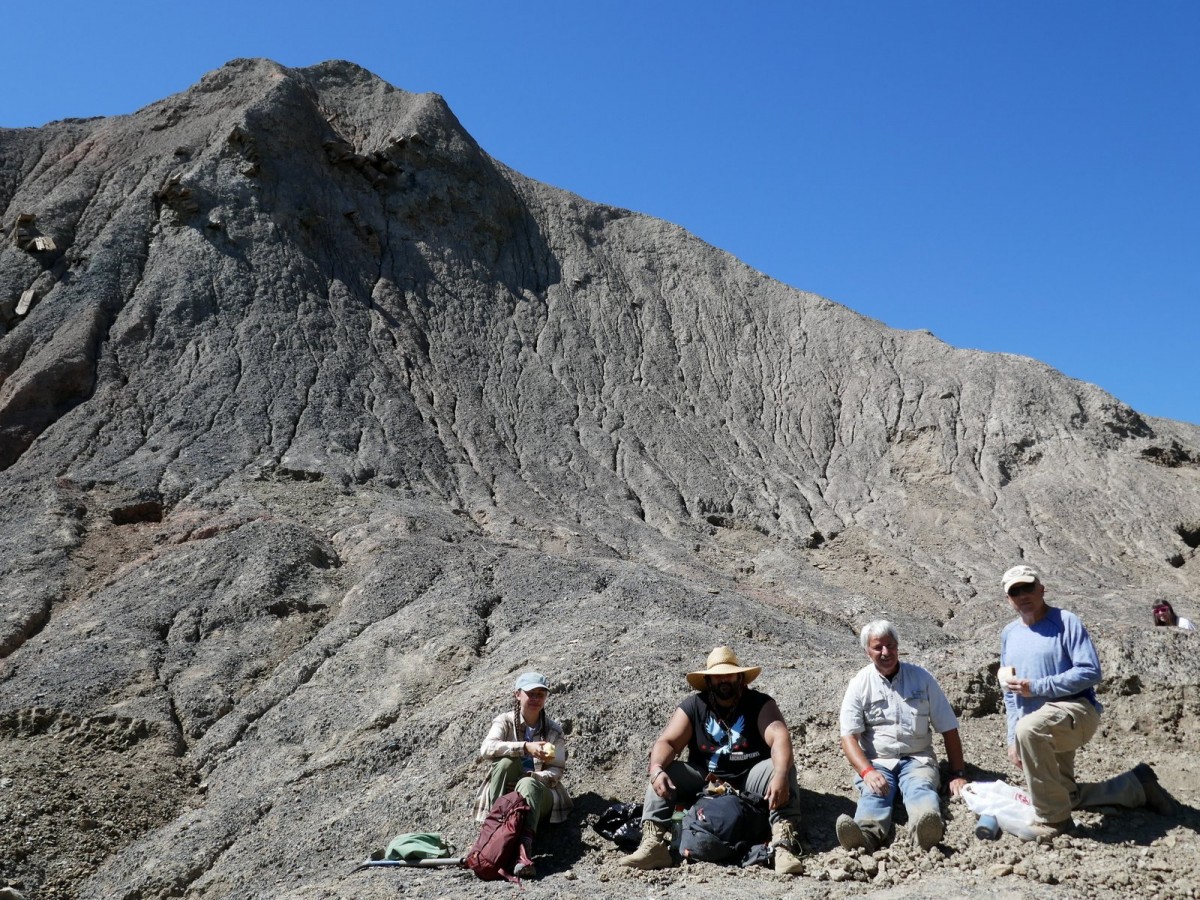
Dave explores marine fossils preserved in Southern California deserts during his visit to the Imperial Formation near Anza-Borrego, a landscape that preserves Miocene seas beneath modern badlands.
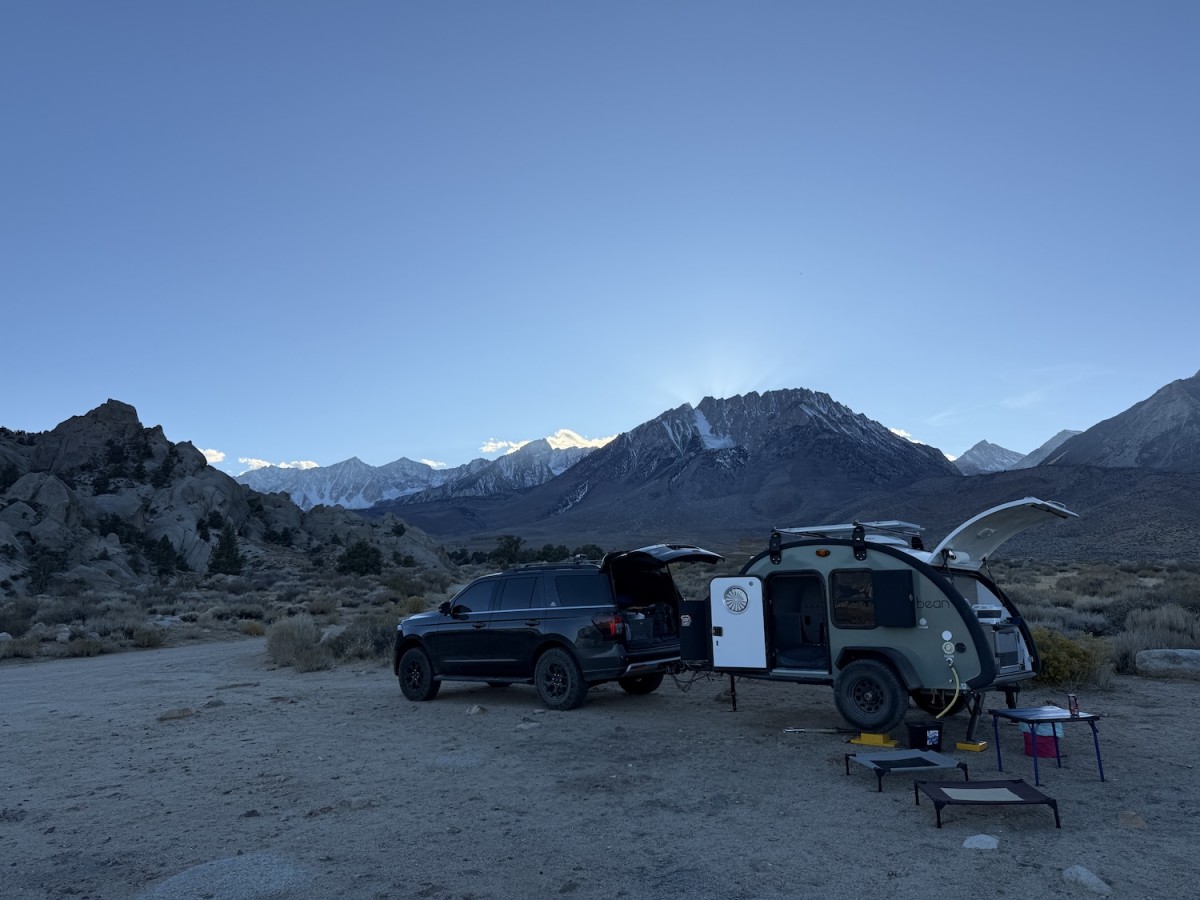
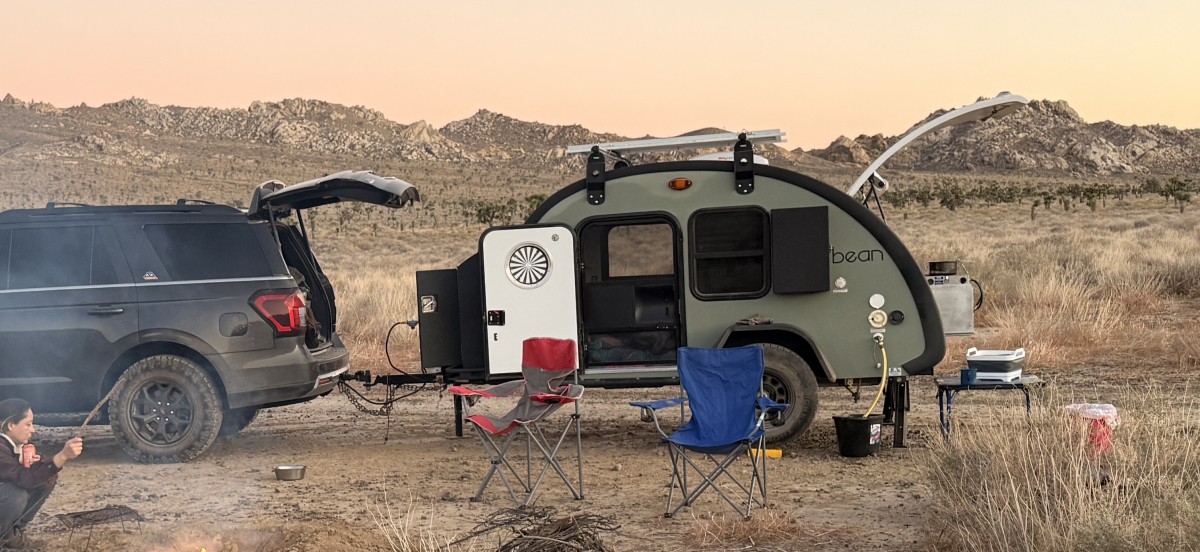
Fieldwork, travel, and questionable logistical decisions are supported by the Bean Trailer, a rugged teardrop camper that makes chasing fossils in remote terrain significantly more comfortable.
Paleontologist Arjan Mann’s research on early vertebrates and fossil fishes is highlighted through his role at the Field Museum of Chicago, where he works with some of the most important collections in the world.
Arjan’s early exposure to museum science traces back to the Royal Ontario Museum, where his mother worked as a fossil interpreter helping translate deep time for the public.
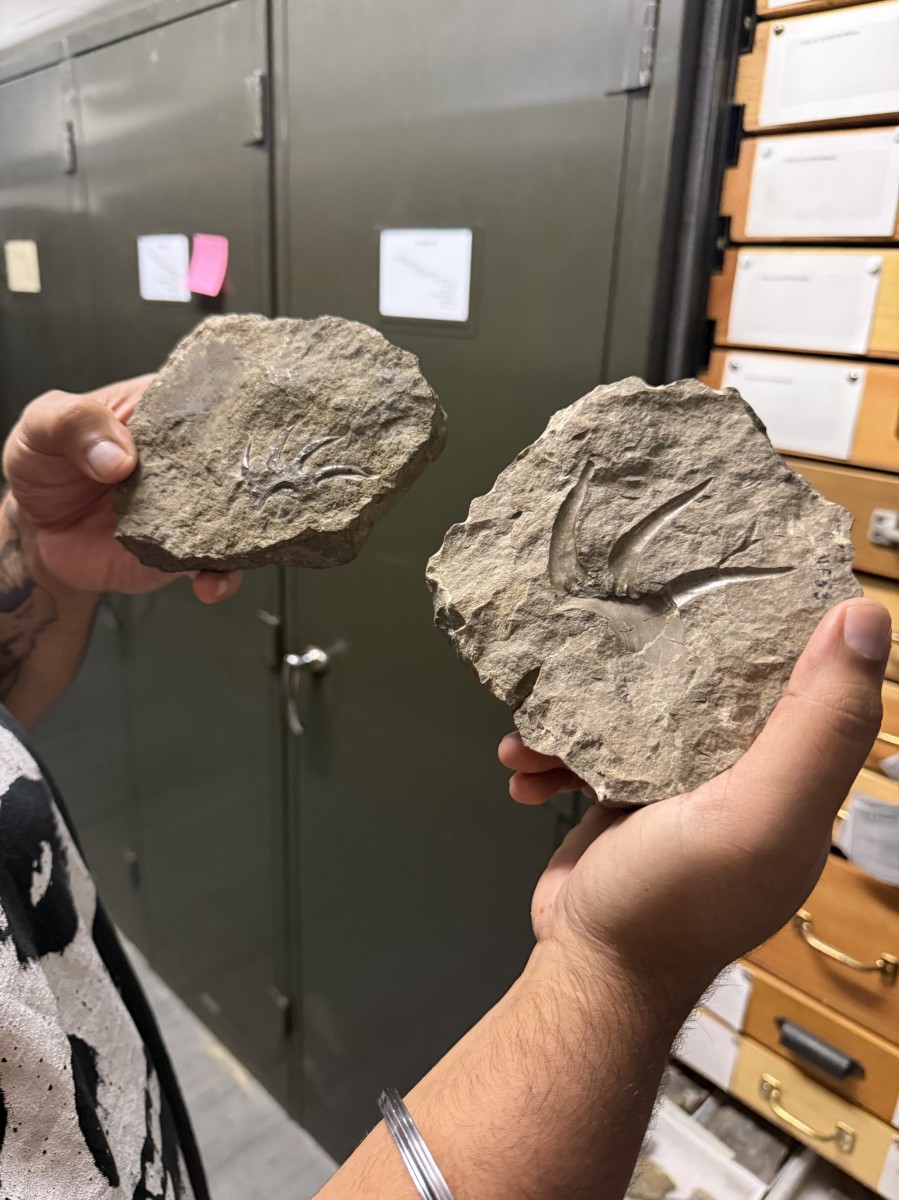
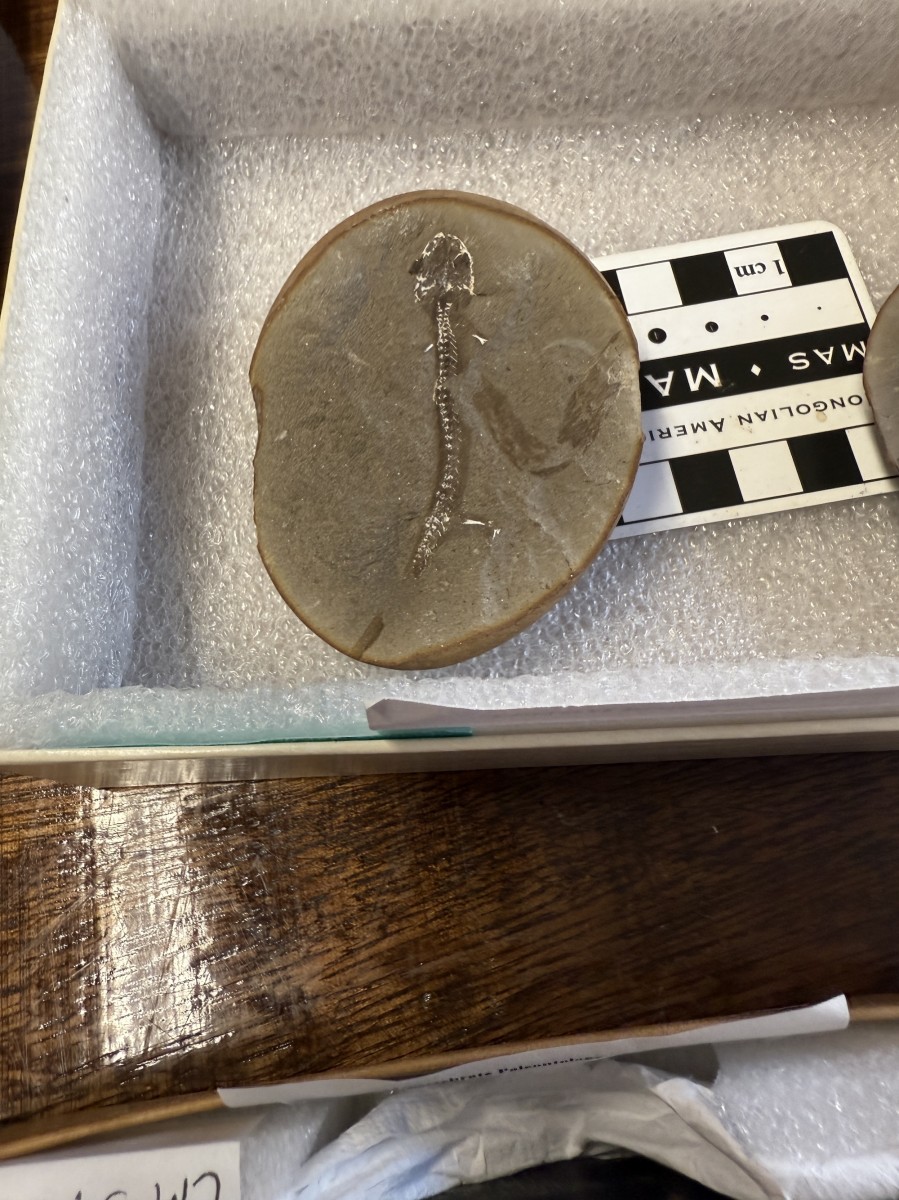
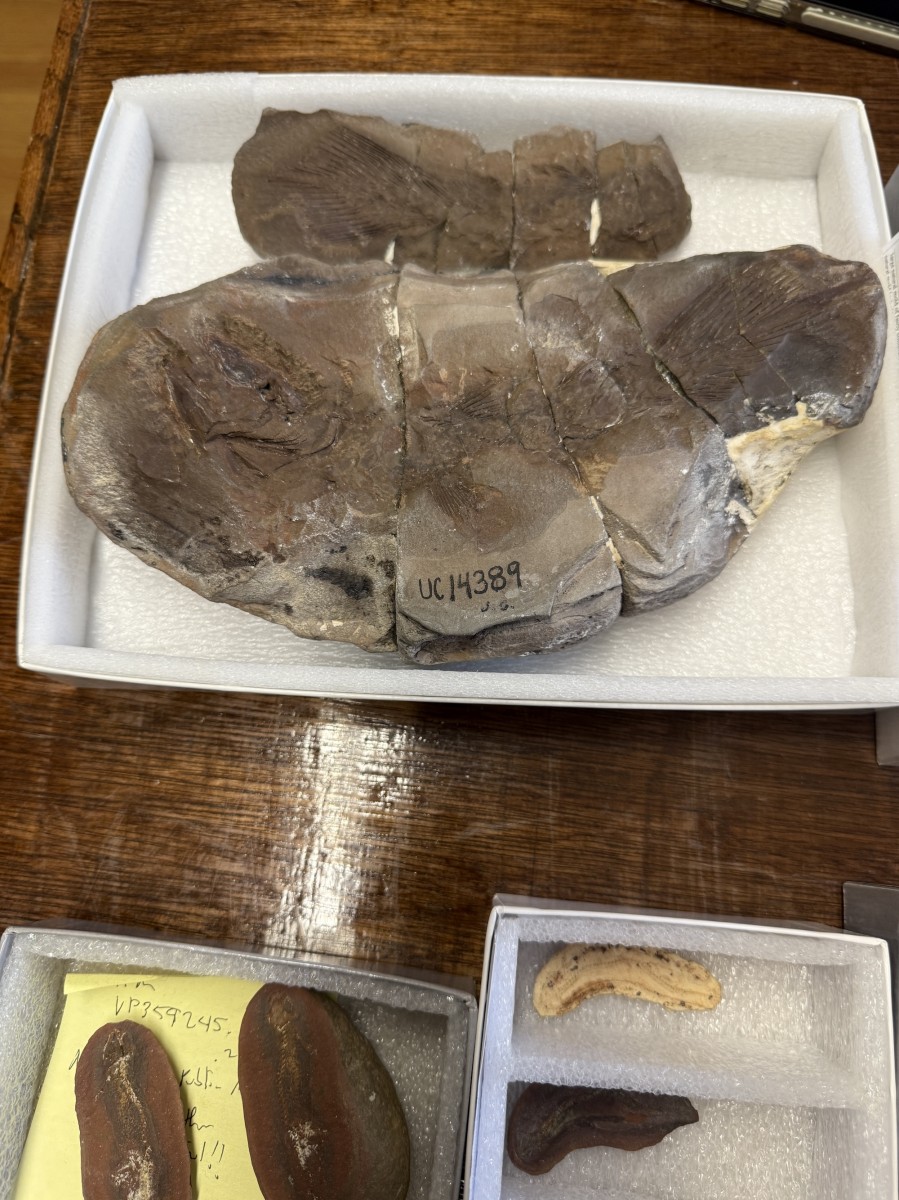
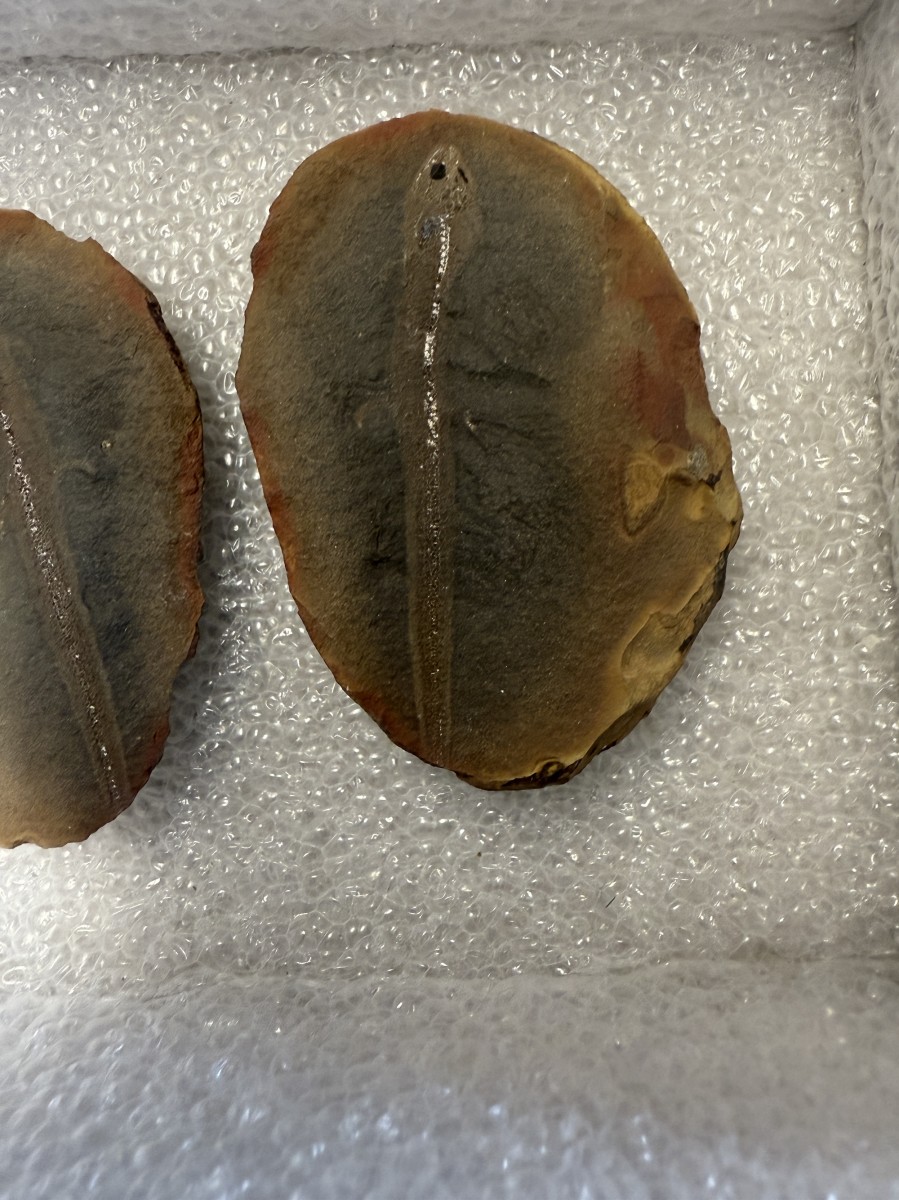
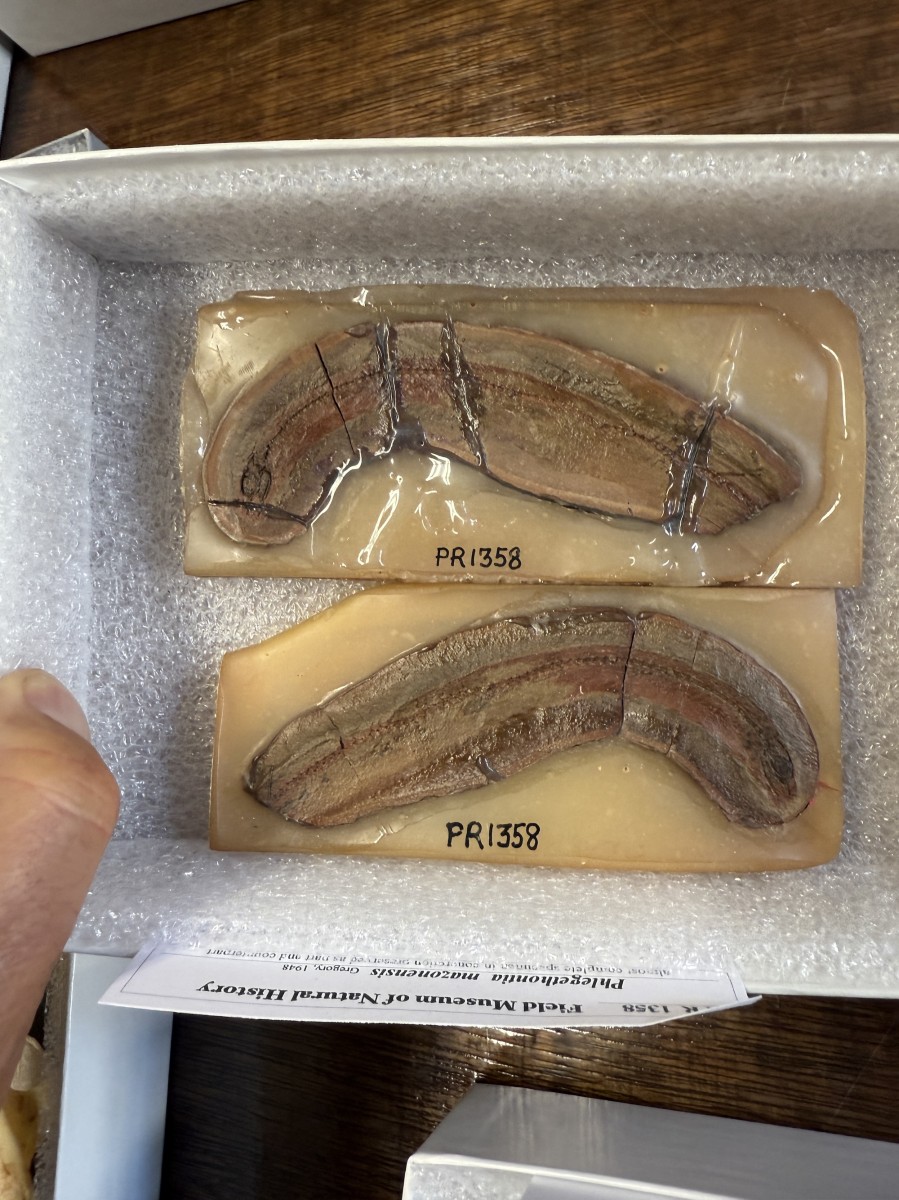
The exceptional soft-bodied preservation of Carboniferous organisms comes from the Mazon Creek Fossil Beds, one of the most scientifically important fossil localities in North America.
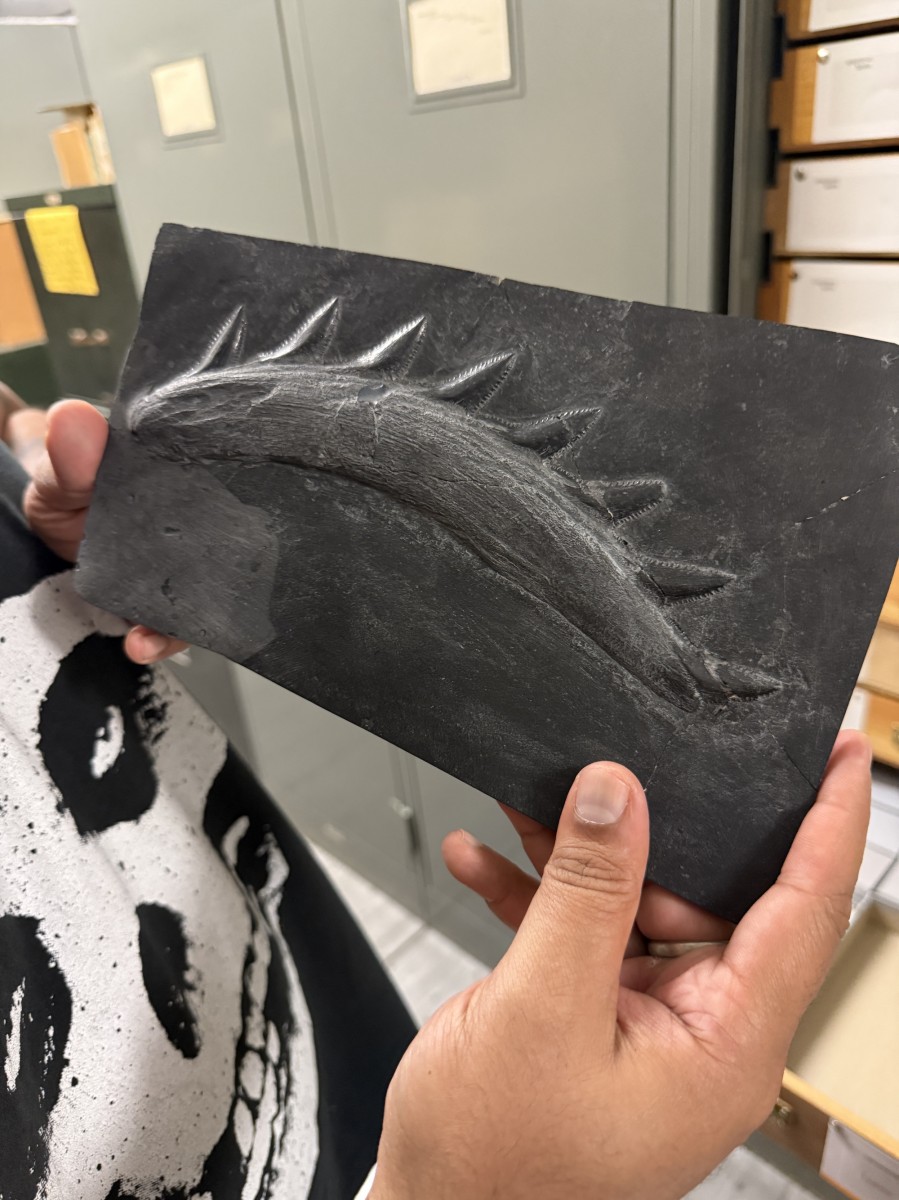
Armored jawed fishes known as placoderms represent some of the earliest vertebrate experiments with jaws, armor, and active predation.
The evolutionary path toward limbs begins with sarcopterygians, the lobed-finned fishes whose skeletal anatomy foreshadows arms and legs.
This video on sarcopterygian evolution visualizes the anatomical transition from fins to limbs during the Devonian.
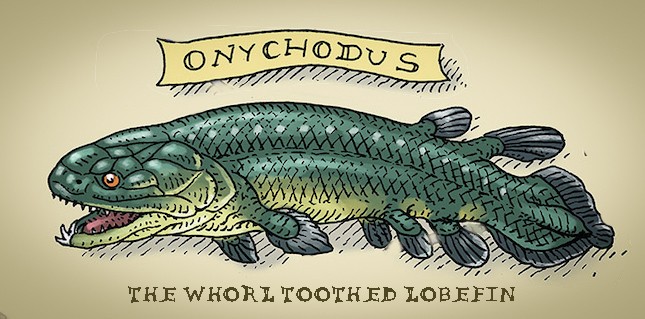
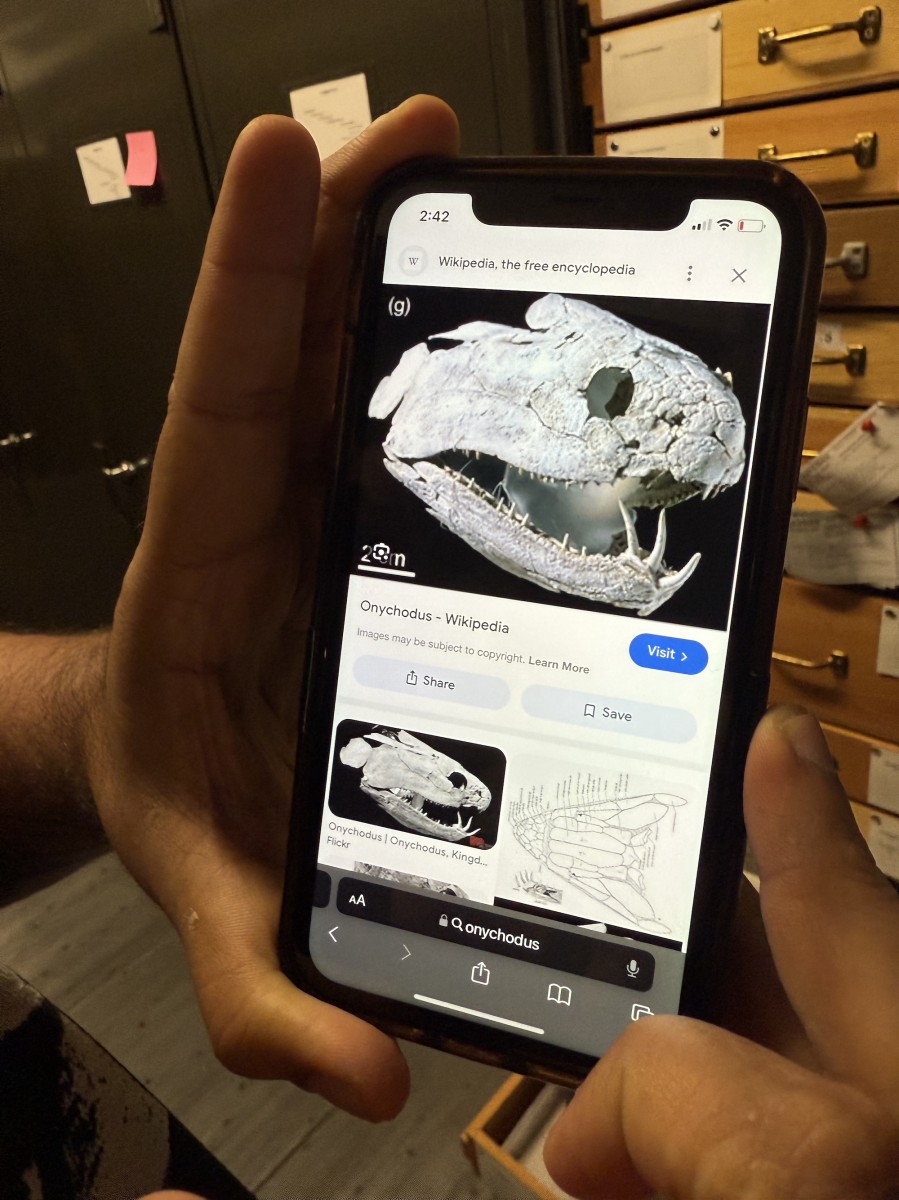
The Devonian predator Onychodus wielded a distinctive sigmoidal tusk whorl that snapped upward from the lower jaw like a biological trap.
Primitive amphibians known as temnospondyls dominated freshwater ecosystems long before modern amphibian lineages evolved.
Modern lungfish provide living analogs for fossil forms, as discussed in this article on lungfish with reduced limb-like fins that hint at ancient respiratory and locomotor strategies.
The crocodile-like early tetrapods called embolomeres blur the evolutionary boundary between fish and fully terrestrial vertebrates.
Ray reflects on one of his key influences in this remembrance of Rainer Zangerl, a foundational figure in fossil fish research at the Field Museum.
The definitive reference for the locality is Eugene Richardson’s massive guide to the Mazon Creek fossils, a cornerstone work for both scientists and collectors.
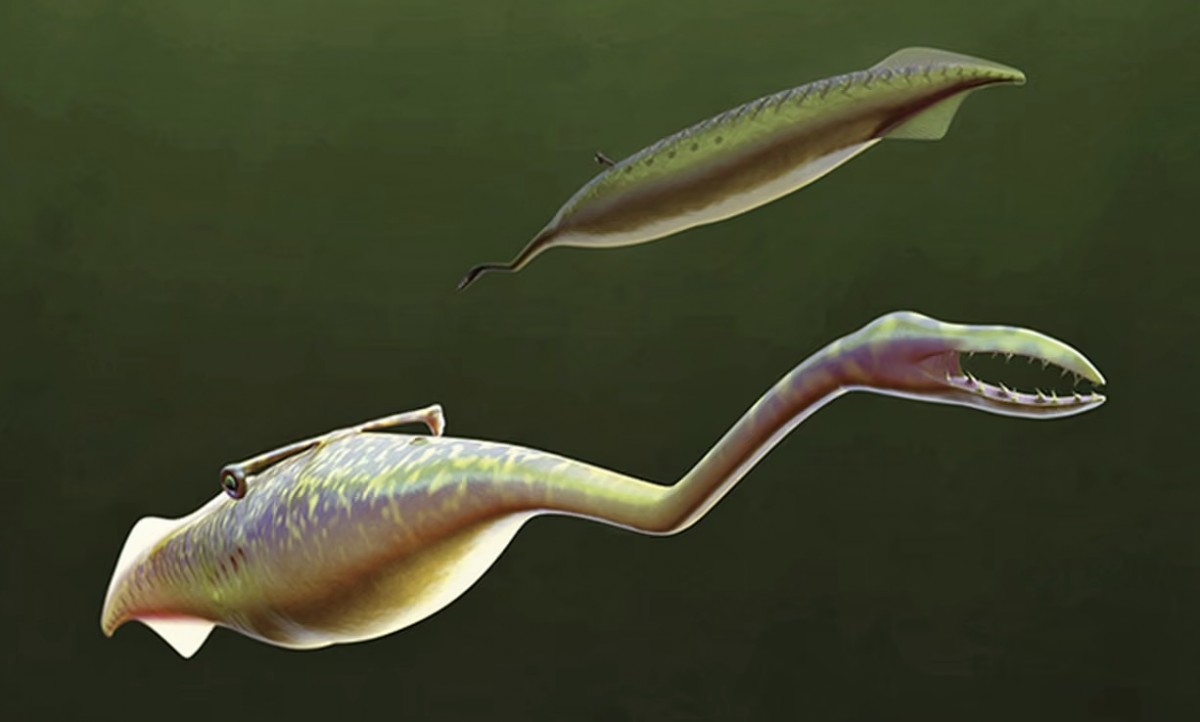
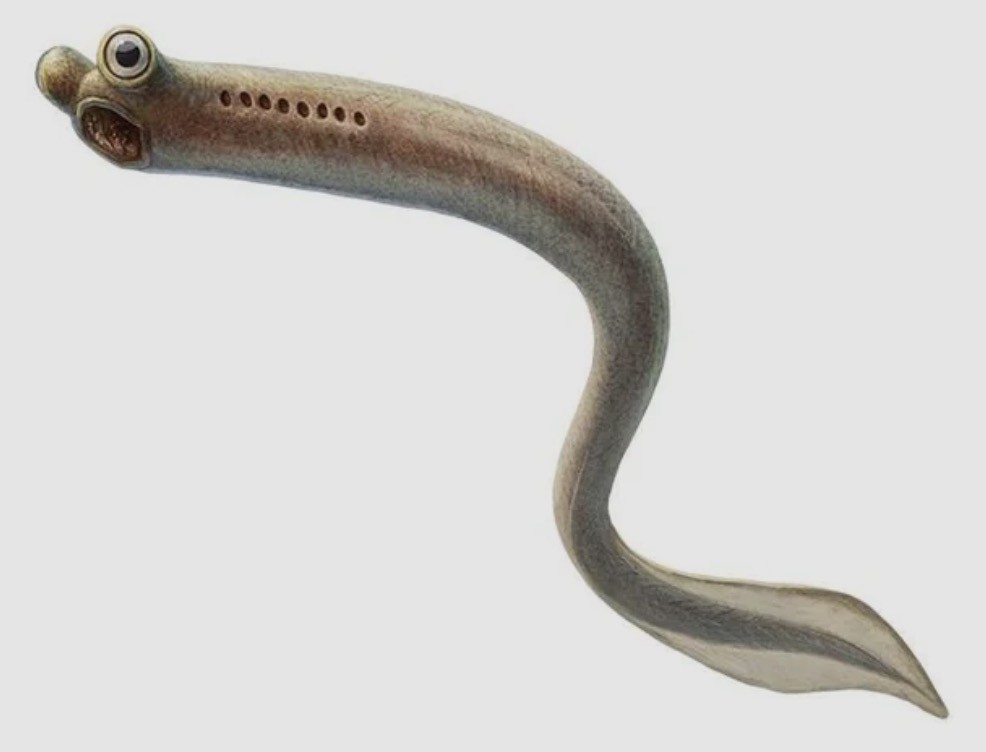
The enigmatic Tully Monster continues to provoke debate over whether it represents a vertebrate or a completely unique branch of animal life.
The famously bizarre Cambrian organism Opabinia, almost always mispronounced by Dave, highlights the experimental nature of early animal evolution.
The scientific foundation for understanding the Tully Monster begins with Eugene Richardson’s research paper, which formally described this Illinois fossil icon.
MUSIC
Whorl Tooth Sharks of Idaho by Three Trails West
Trilobite/Ammonite by the Amish Robots
Teach Me to Dance by Whiskey Class
MVP by Amish Robots