03/25/2026
Ep #96 Nanotyrannus vs. Juvenile T-rex Solved with James Napoli
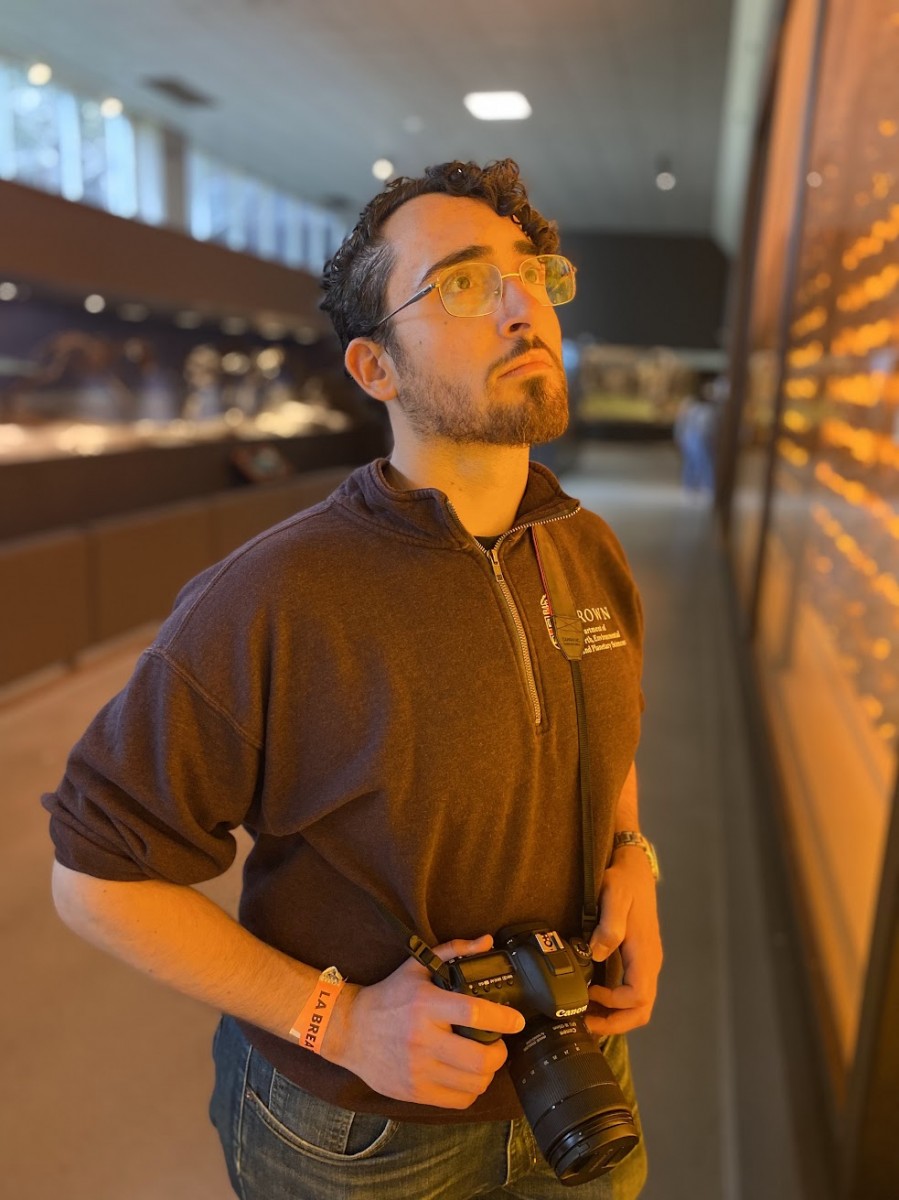
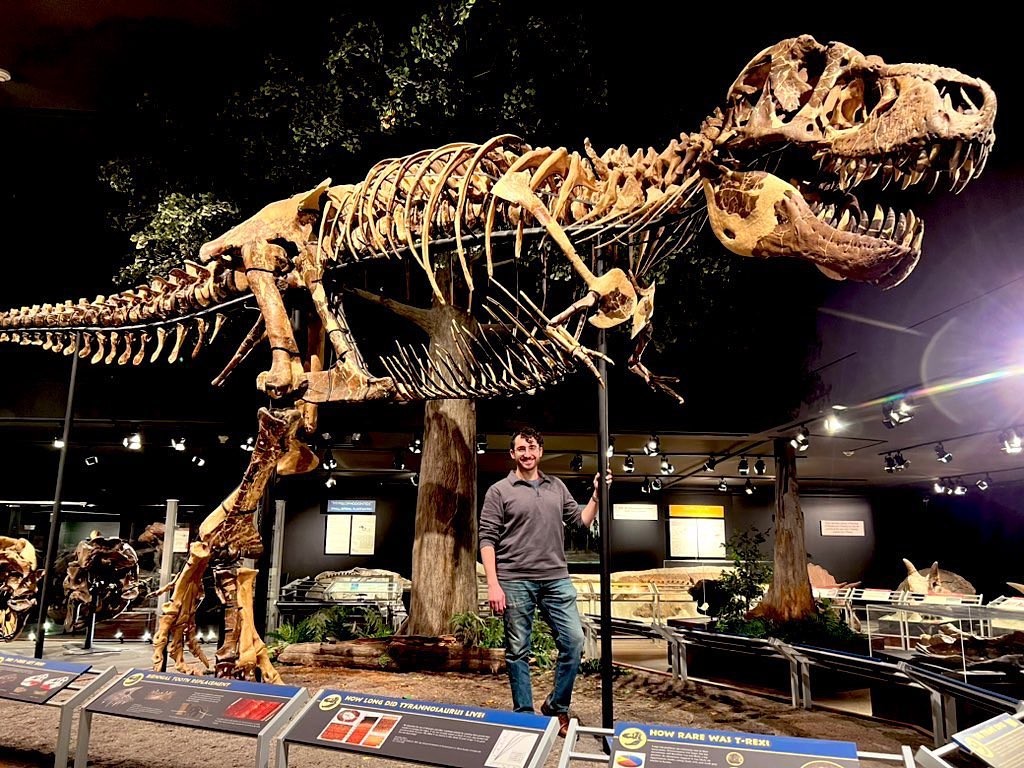
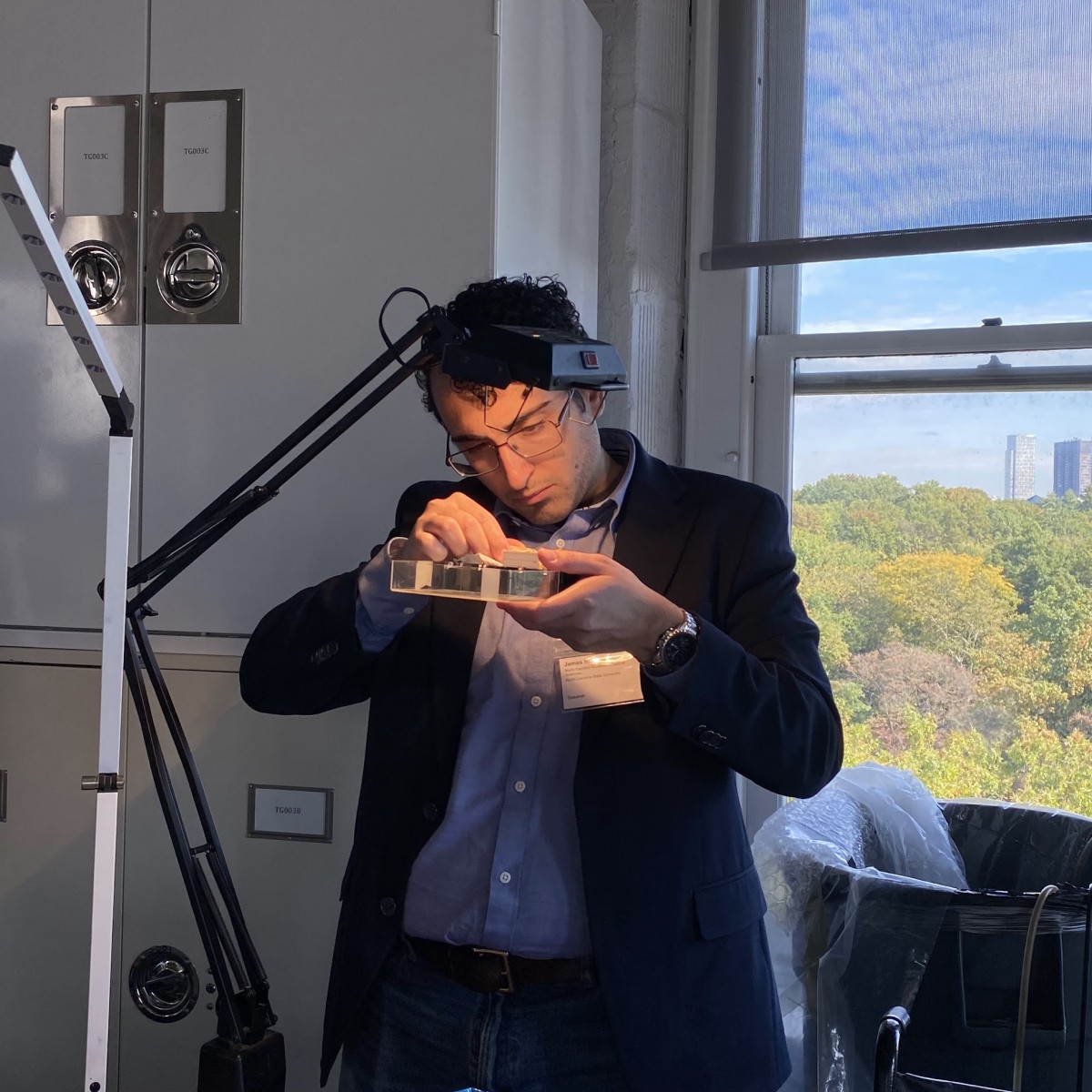
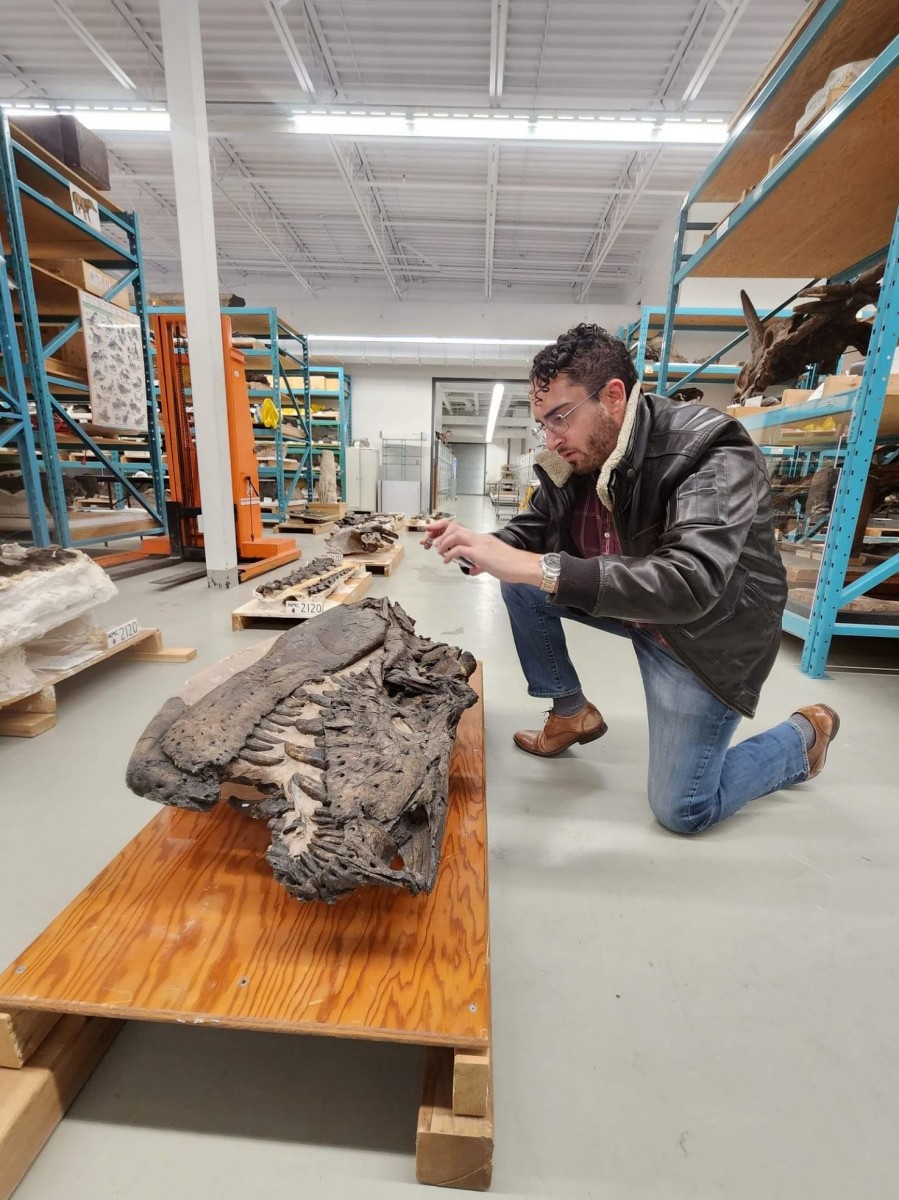
Ray and Dave review the evidence with James Napoli, co-author of the new research paper that resolves the long-standing debate over whether Nanotyrannus represents a distinct species or a juvenile T-Rex.
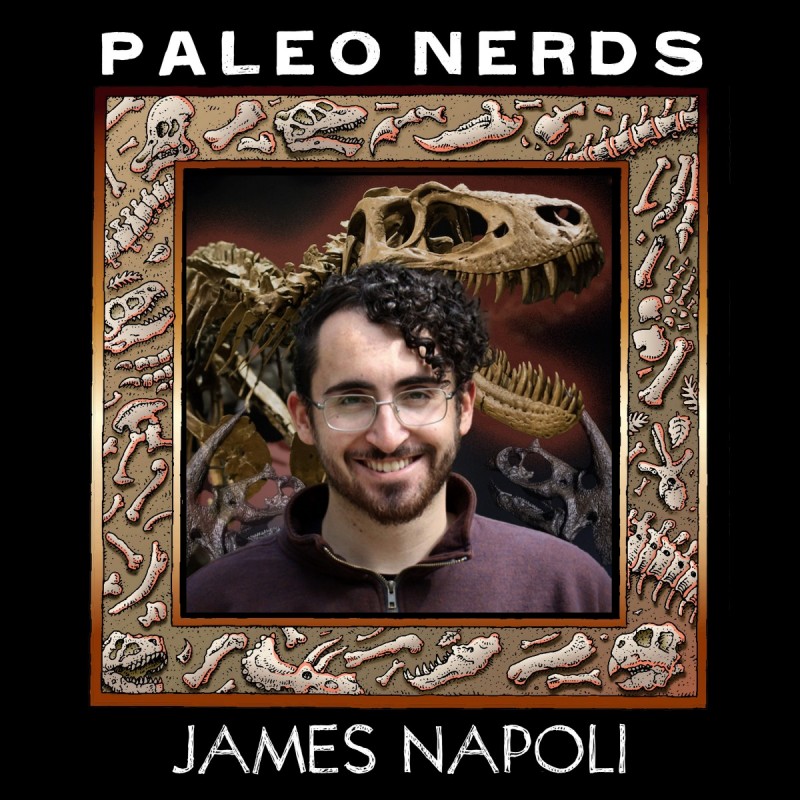

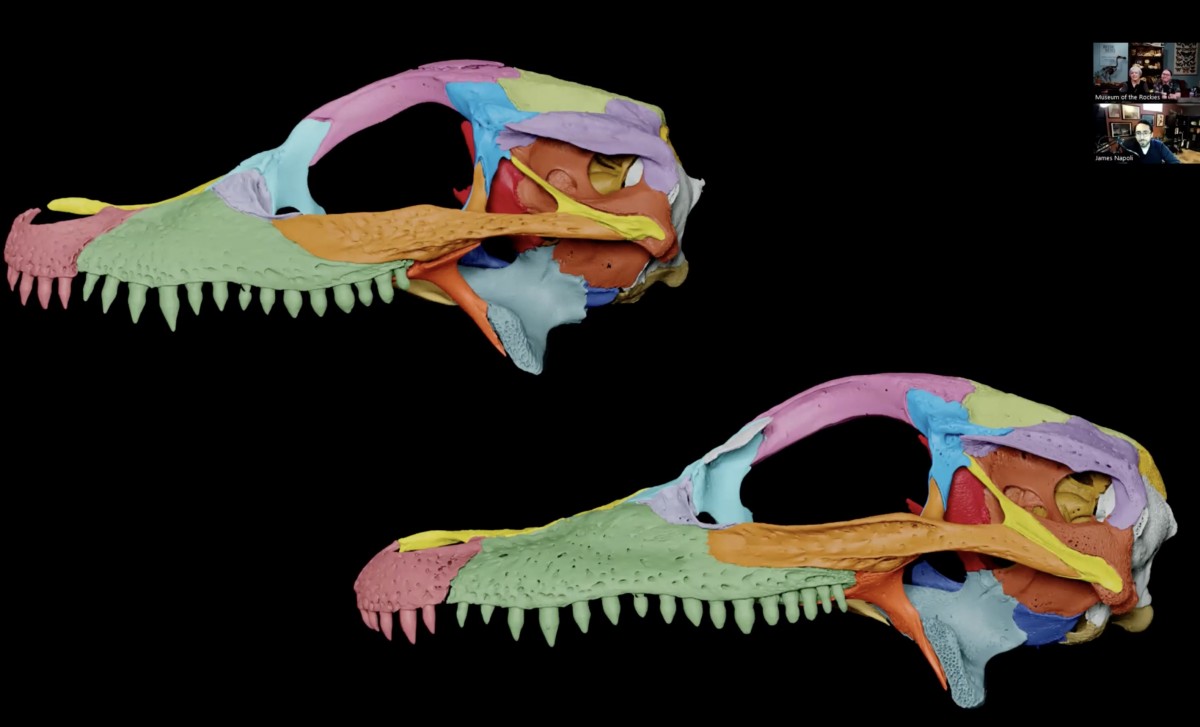
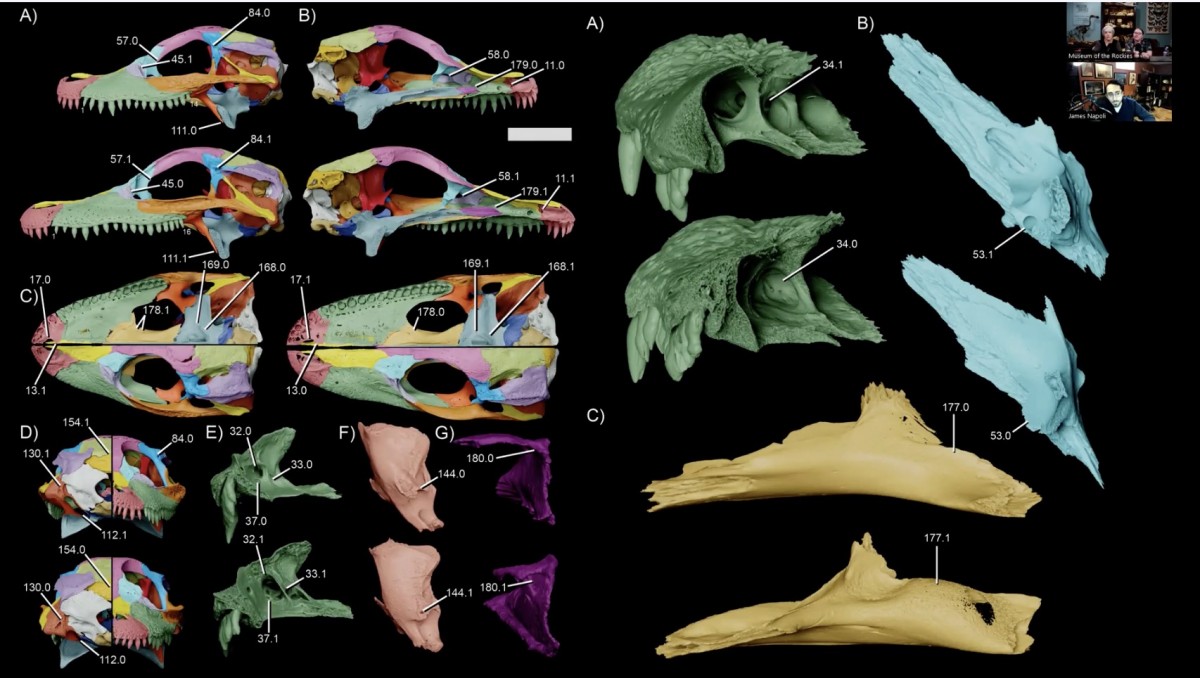
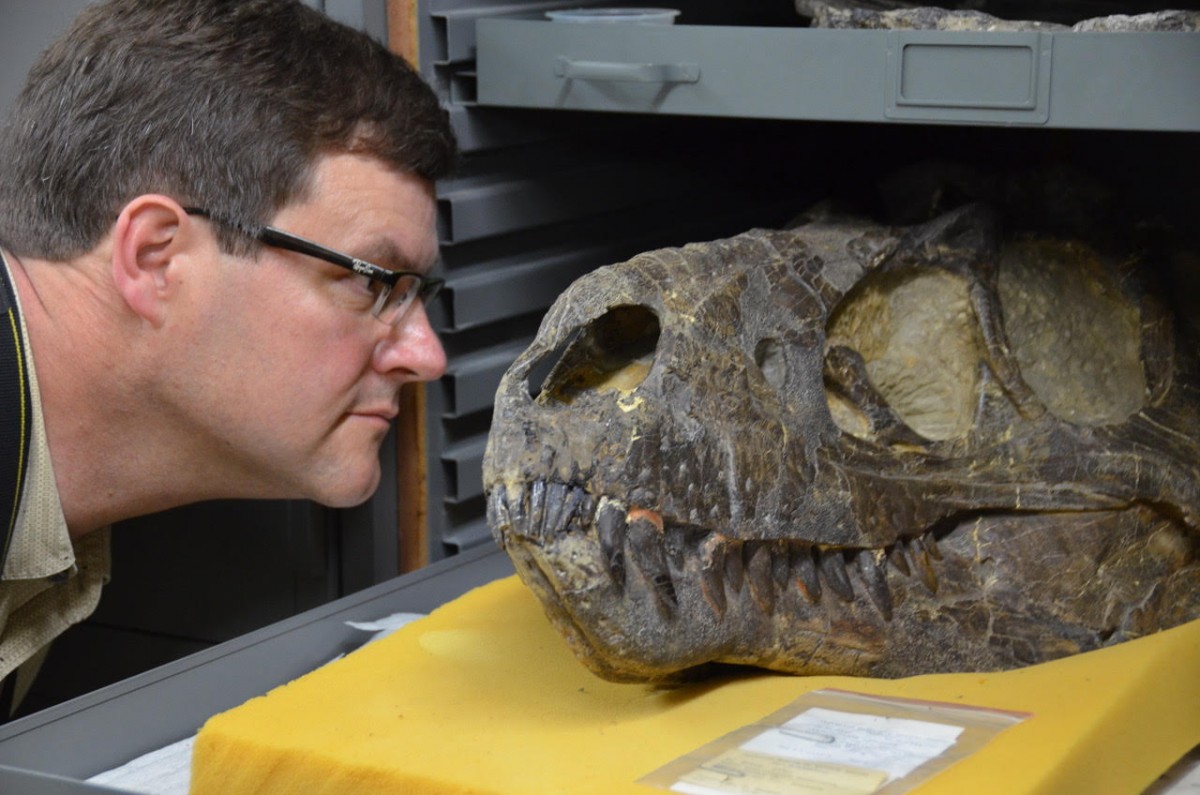
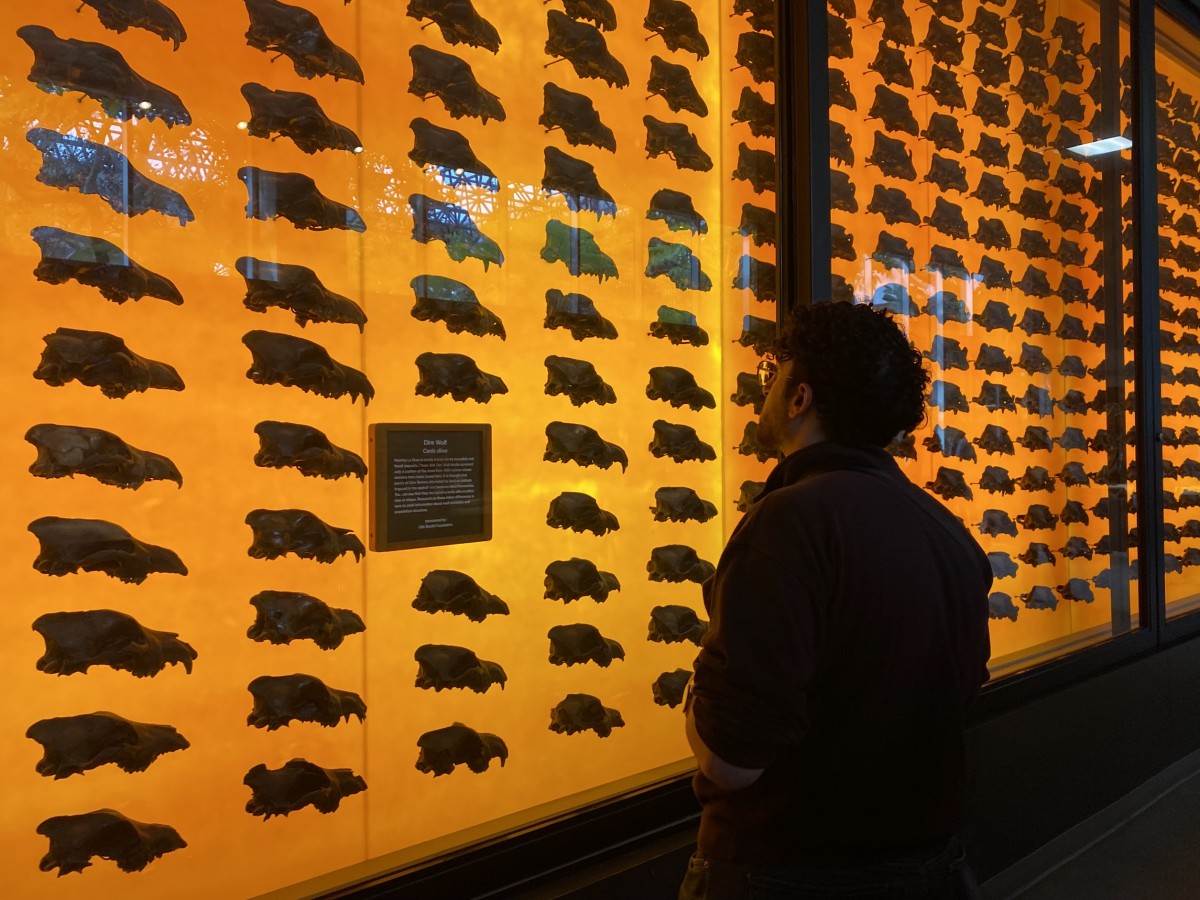
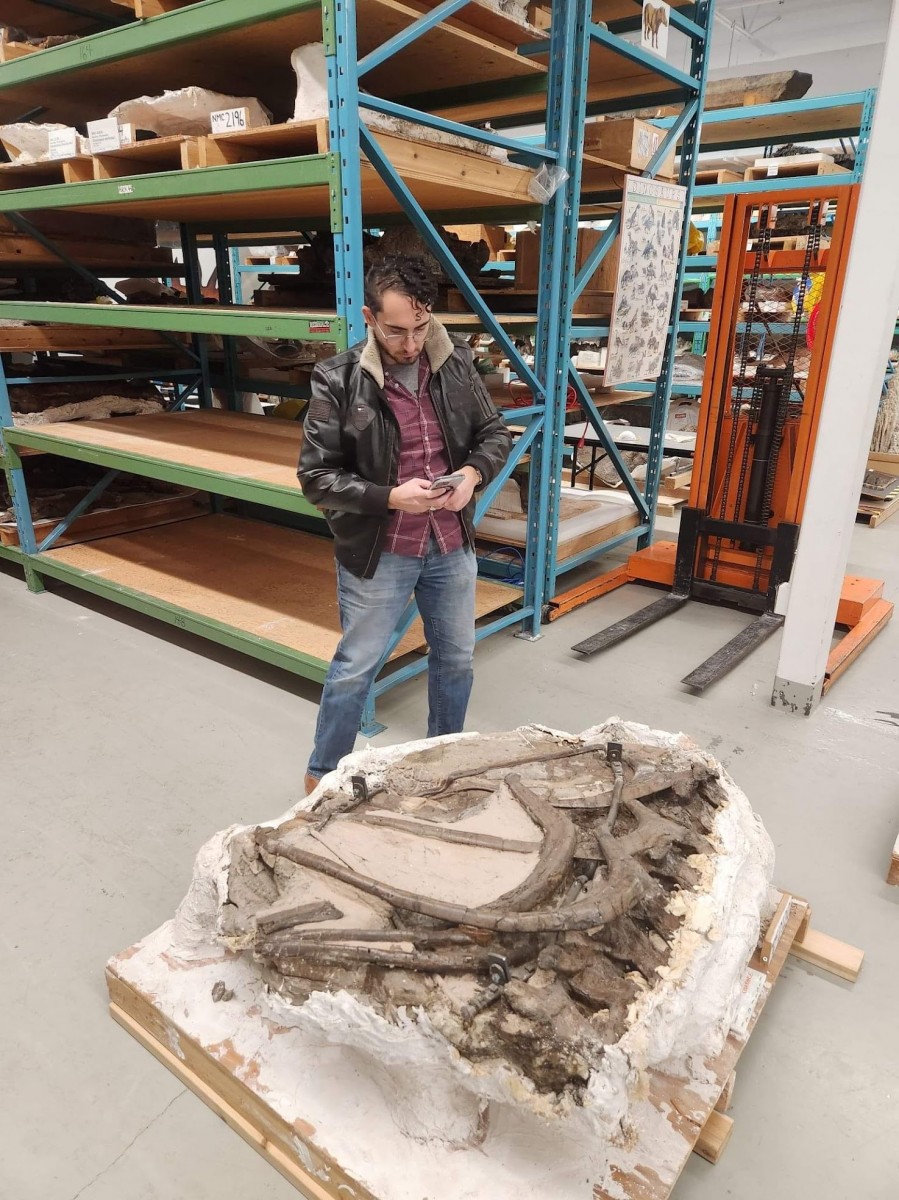
Ep 96 Paleo Nerds with James Napoli
Episode Links
Pre-Show discussions
Dave is preparing for his Galápagos adventure while reading The Voyage of the HMS Beagle, Charles Darwin’s formative account of the journey that helped shape evolutionary theory.
Naturalist Alfred Russel Wallace independently conceived the theory of evolution by natural selection, famously paralleling Darwin’s own ideas.
The trailer for Ron Howard’s film Eden explores the shocking true story of outsiders who fled modern society to start over on Floreana Island in the Galápagos during the 1920s.
Industrialist and adventurer George Allan Hancock, owner of the Rancho La Brea Oil Company, visited the Galápagos and filmed the real-life personalities later dramatized in Eden.
Dave recalls a childhood visit to Jungleland USA, where he famously rode a Galápagos tortoise during the park’s heyday in the 1960s.
Links during the interview
Paleontologist David Dunkle is known for discovering the holotype specimen of Nanotyrannus in Montana and for lending his name to the armored fish Dunkleosteus.
The Cleveland Museum of Natural History provides an overview of the discovery of Nanotyrannus and its continuing scientific intrigue.
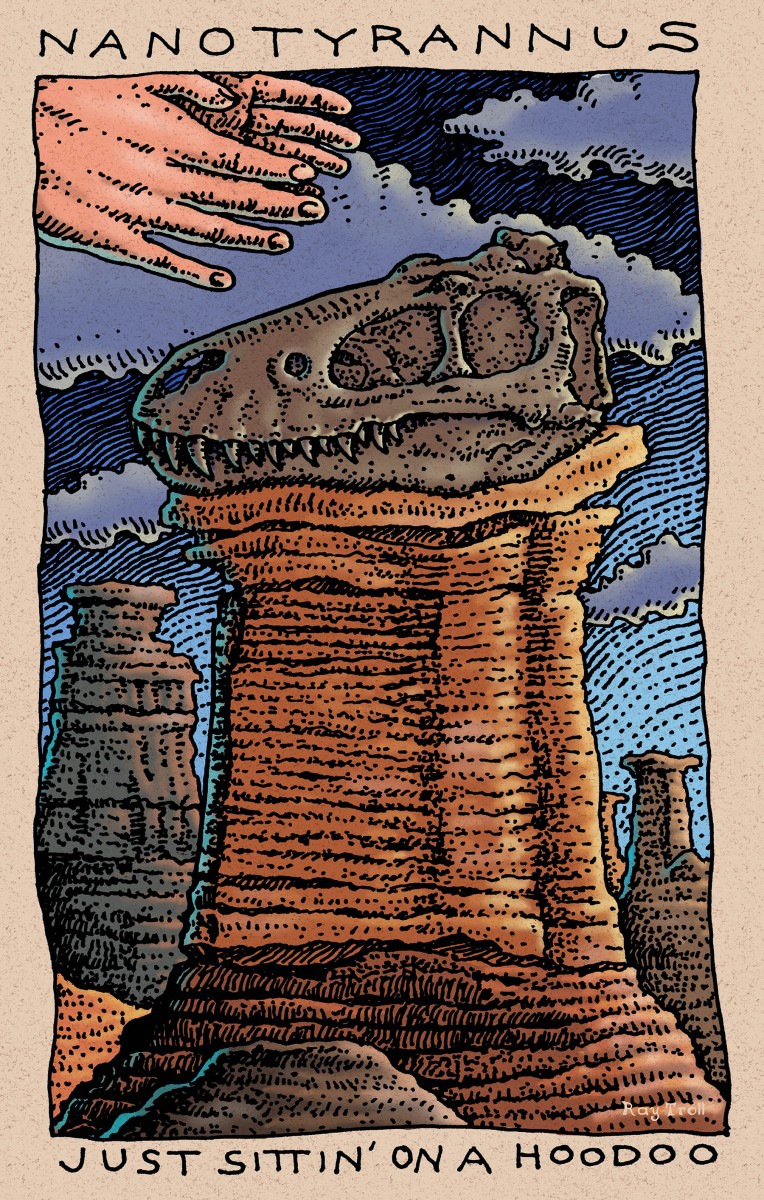
Strange rock formations known as geologic hoodoos help illustrate the kinds of landscapes often discussed in paleontological fieldwork.
Understanding skull growth and fusion requires knowledge of cranium sutures, a key anatomical feature in determining dinosaur age and development.
The scientific controversy surrounding Nanotyrannus was explored in depth in this Smithsonian Magazine discussion.
Comparisons are often made with other tyrannosaurids such as Gorgosaurus, a well-known Late Cretaceous predator from North America.
Its Asian relative Tarbosaurus demonstrates the broader evolutionary radiation of tyrannosaurids across Mongolia and Asia.
Influential researcher Dale Russell contributed greatly to discussions about dinosaur growth, behavior, and evolutionary interpretation.
The science of histology allows paleontologists to examine microscopic bone structure to determine growth rates, maturity, and life history.
Bone histologist Holly Woodward shares her expertise in a previous Paleo Nerds episode focused on dinosaur growth and tissue analysis.
The ambitious Hell Creek Project reshaped scientific understanding of the final dinosaur ecosystems before the end-Cretaceous extinction.
The concept of ontogeny explains how organisms transform through their life span, often dramatically altering their appearance as they mature.
A famous juvenile tyrannosaur specimen is Jane the T. rex, discovered by the Burpee Museum and central to debates about dinosaur growth stages.
Canadian paleontologist Philip J. Currie played a major role in tyrannosaur research and helped establish the Royal Tyrrell Museum in Drumheller.
The discovery story of the “Dueling Dinosaurs” can be explored through this interview with fossil hunter Clayton Phipps, the so-called Dino Cowboy.
The legal battles and scientific tensions surrounding the specimen are detailed in this account of the Dueling Dinosaur wars.
An unusual developmental transformation is seen in Limusaurus, a dinosaur that changed from toothed jaws to a beaked condition as it matured.
Another remarkable juvenile tyrannosaur is Teen Rex, discovered by young fossil enthusiasts alongside Dr. Tyler Lyson.
James imagines traveling back to the Middle Jurassic, a time of rapid evolutionary experimentation when many vertebrate lineages were diversifying and acquiring defining traits.
For a dose of cinematic paleontology history, watch the classic Lost World T. rex versus Triceratops sequence from the 1920s.
Those with a strong stomach can explore raw predator-prey interactions on Nature Is Metal, a social media showcase of real-world brutality in the animal kingdom.
An anatomical reference to sinus morphology helps explain respiratory structures occasionally mentioned in theropod discussions.
Music
Music featured in this episode includes Dark Side by Whiskey Class, Mellow by Ray Troll, Taxi by the Amish Robots, and A.P. Karpinsky by Russell Wodehouse.