11/25/2026
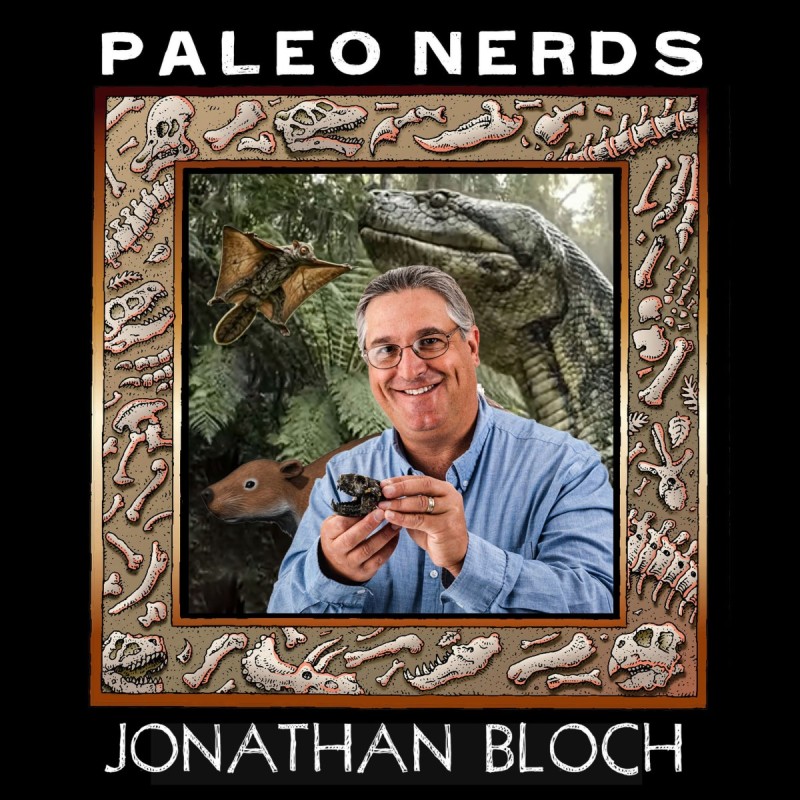
Ep #104 Our Tiny Mammal Ancestors and the Biggest Snake of All Time with Paleontologist Jonathan Bloch
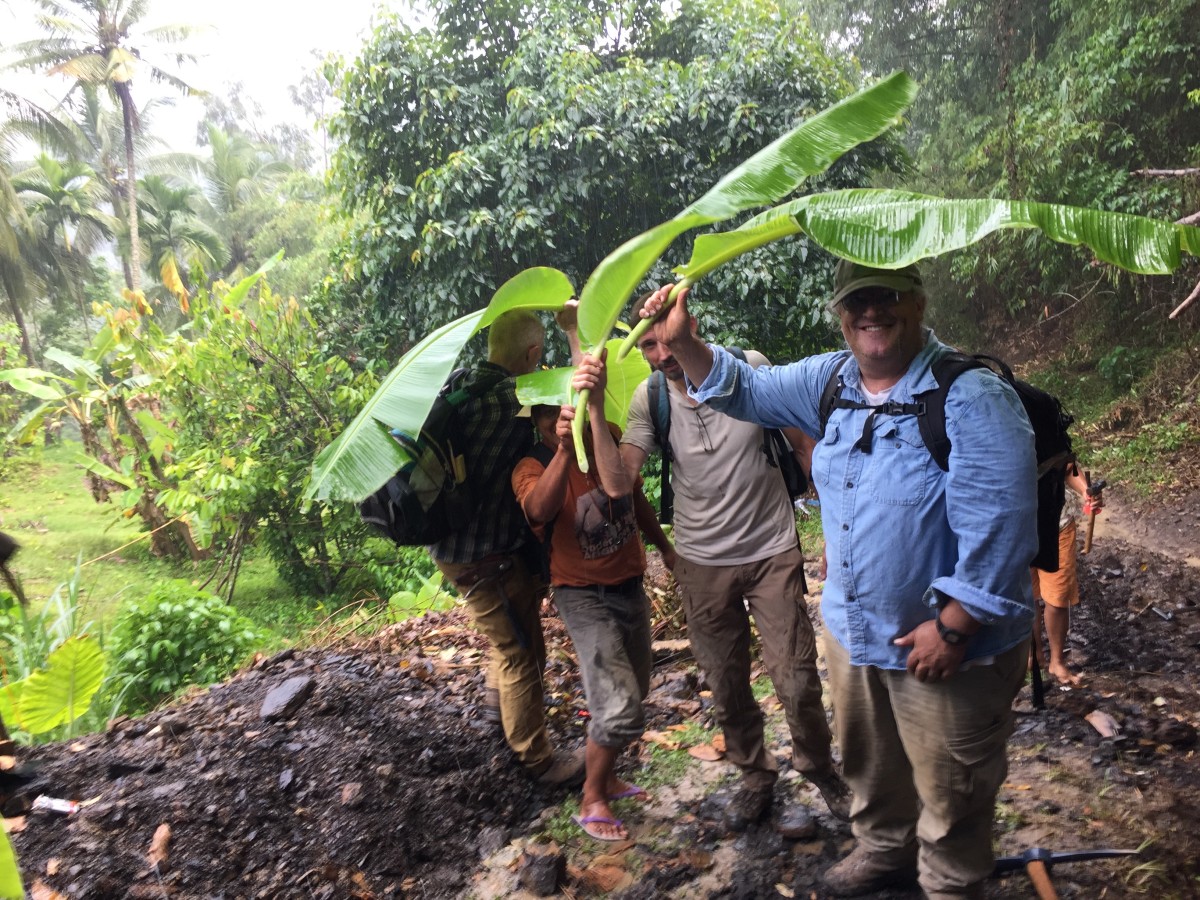
Ray and Dave talk with Florida Museum paleontologist Jonathan Bloch about how ancient global warming shaped early mammals, what tiny fossils reveal about the first primates, how his team found Titanoboa, the largest snake ever, and what his Florida dig is revealing about Late Miocene ecosystems.



Ep #104 Our Tiny Mammal Ancestors and the Biggest Snake of All Time with Paleontologist Jonathan Bloch
Pre-show Links
After his trip to Japan, Dave remarked that there was no trash anywhere, and Ray brought up a film they had both seen about a Tokyo toilet cleaner, Perfect Days, by German filmmaker Wim Wenders.
In Tokyo, Dave visited Episode 99 guest Makoto Manabe at his fantastic National Museum of Nature and Science.
While discussing a new study simulating how the organic building blocks of life may have come from comets, Dave and Ray recall Episode 83 guest Kenneth Williford, who would be among the first scientists to study samples collected by NASA's Perseverance rover if they are returned to Earth.
Interview Links
Jon's early paleo nerdism was cemented when he volunteered at the La Brea Tar Pits in Los Angeles.
His first job there was piecing together the broken puzzle of a Smilodon saber.
Pit 91 is one of the world's longest running urban paleontological excavations.
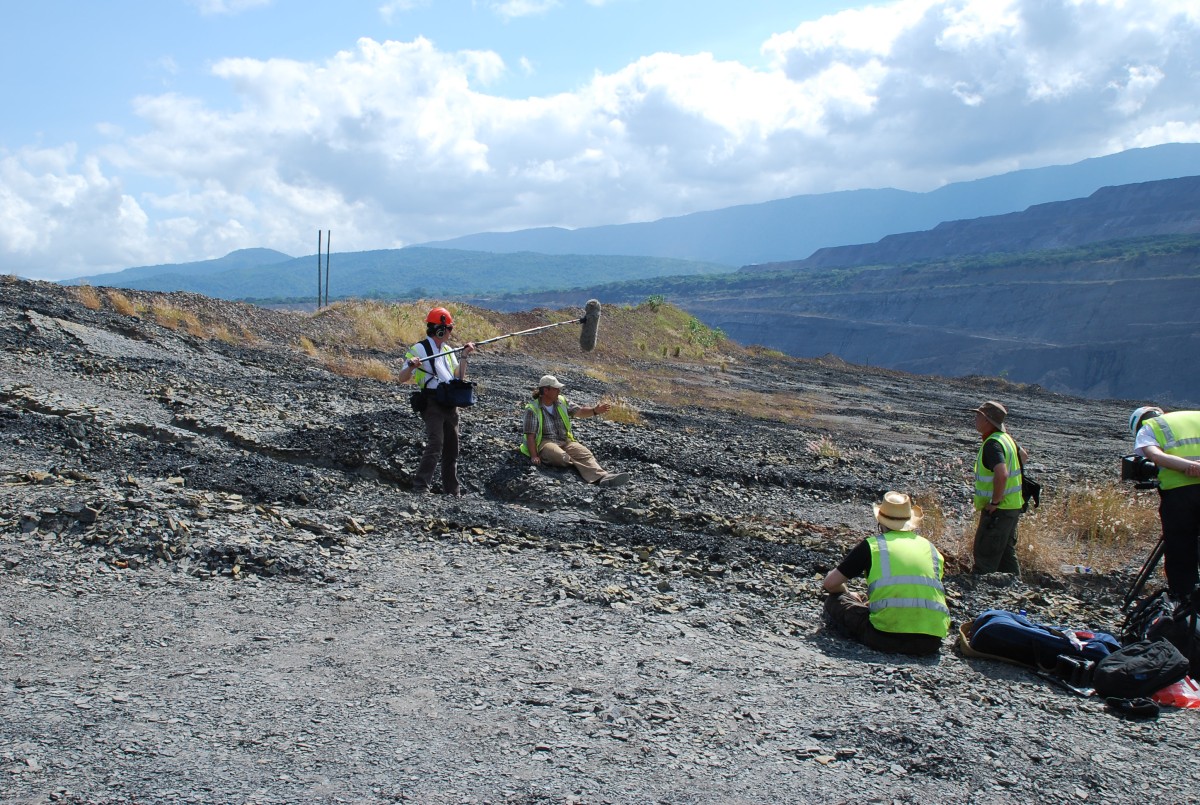
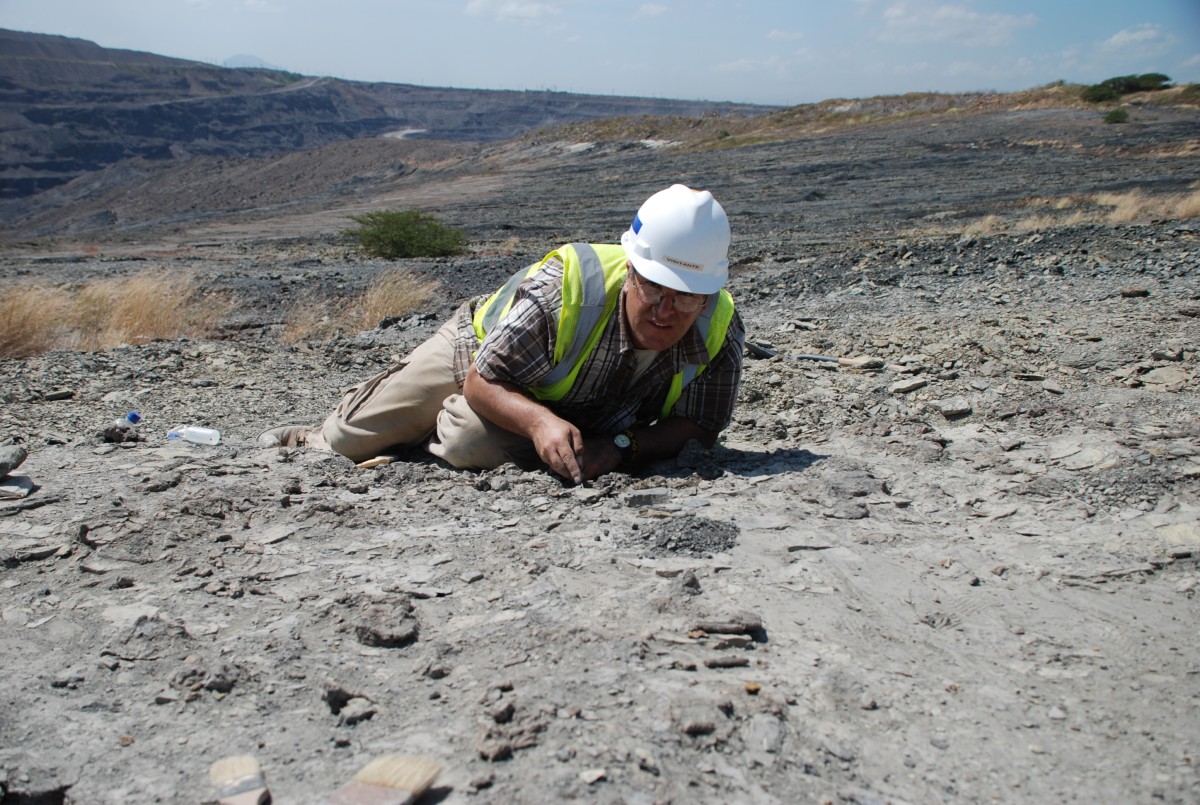
Watch Jon and Kirk Johnson exploring for fossils in the Bighorn Basin of Wyoming.
The Fort Union Formation is a Paleocene sedimentary layer in the Bighorn Basin where some of North America's early mammals are found.
The Paleocene Eocene Thermal Maximum (PETM) was a geologically brief interval marked by a 5 to 8 °C (9 to 14 °F) rise in global average temperature and a massive input of carbon into the ocean and atmosphere.
Ancient land temperatures can be reconstructed from the oxygen isotopes in soil carbonates.
Plesiadapiformes are an extinct group of early mammals that are the closest known relatives of primates.
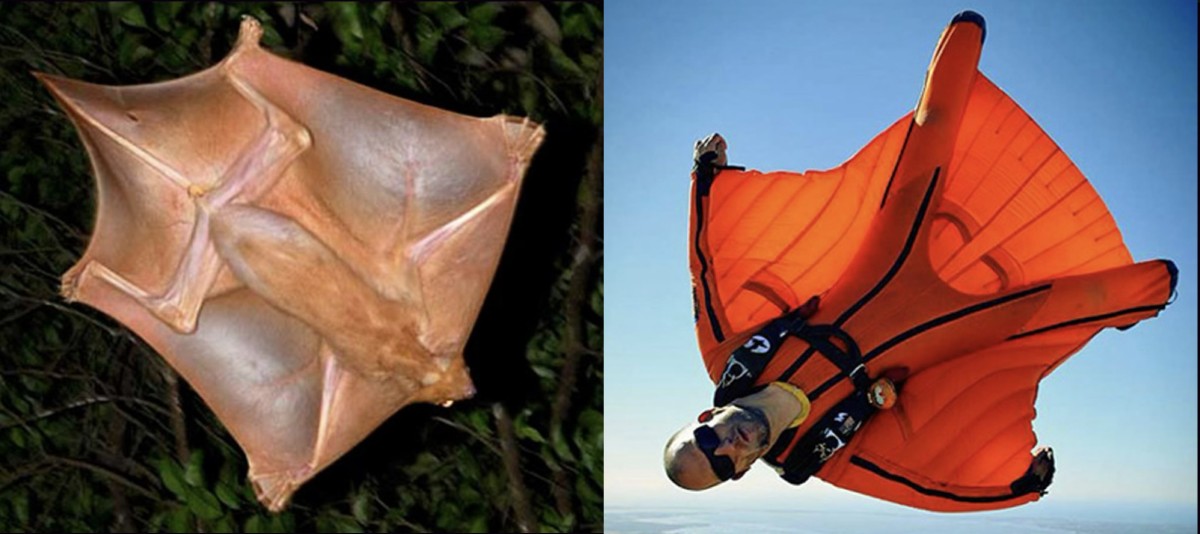
Colugos, often called flying lemurs, are not lemurs and they're not primates!
Bergmann's rule states that within a widespread group of animals, larger species and populations tend to live in colder environments and smaller ones in warmer regions.
Thermoregulation is an organism's ability to keep its body temperature within certain limits, even when the surrounding temperature is very different.
Archelon, a marine turtle from the Late Cretaceous, is the largest turtle ever documented, with the biggest specimen measuring 4.6 m (15 ft) from head to tail and weighing 2.2 to 3.2 metric tons.
Stupendemys, a side necked turtle with a shell over 2 meters long, is the largest freshwater turtle known to have existed.
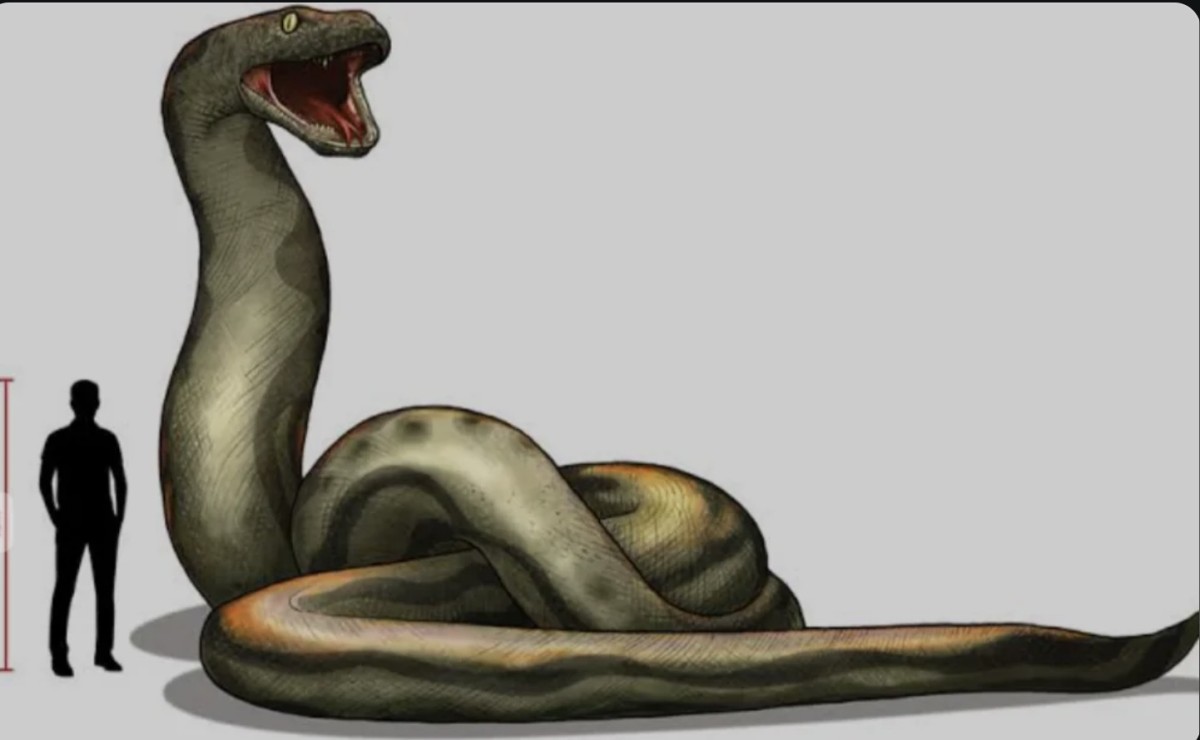
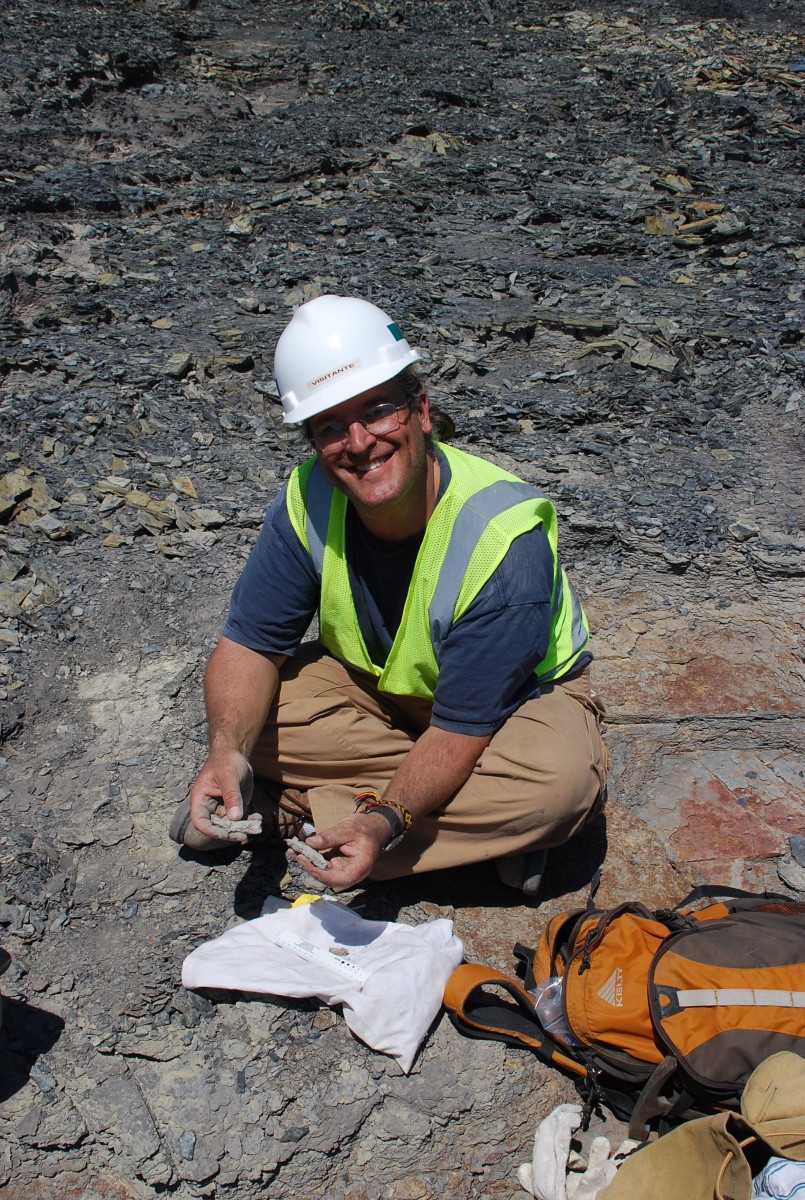
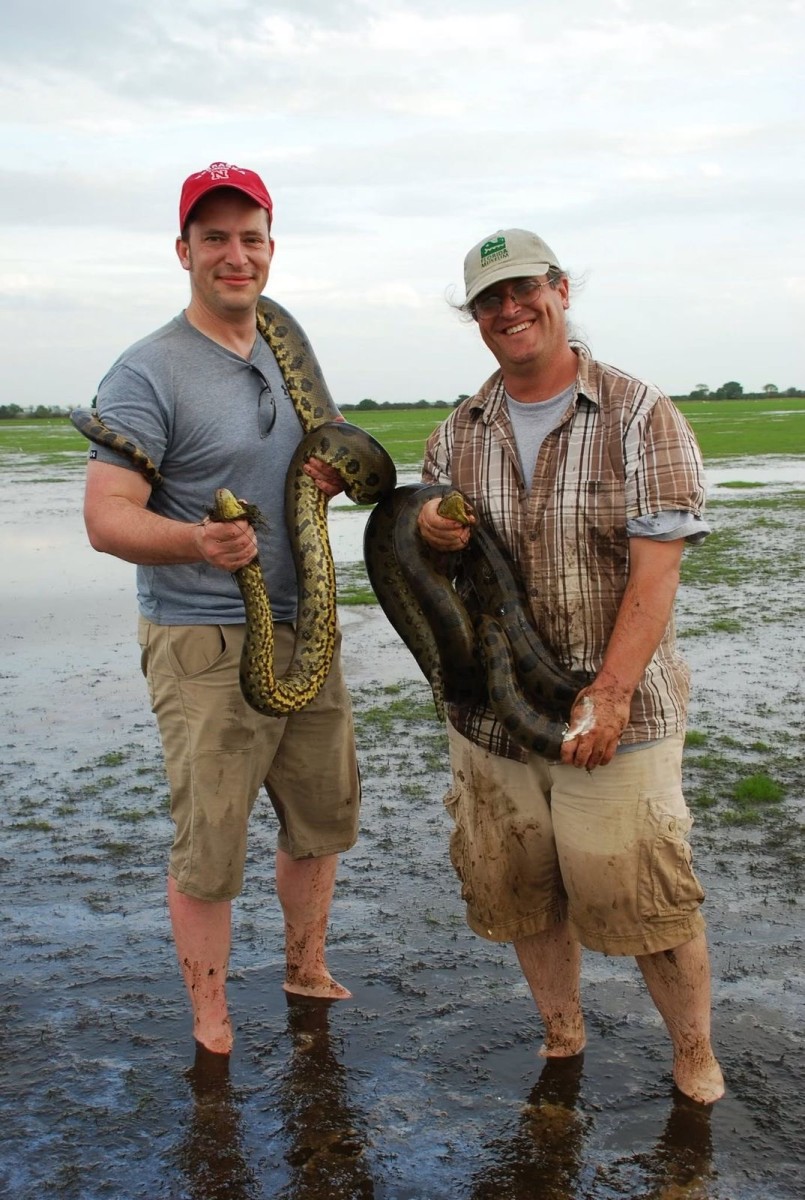
Jon was part of the team that discovered Titanoboa, the largest snake that ever lived, a giant relative of today's boas and anacondas from the middle and late Paleocene.
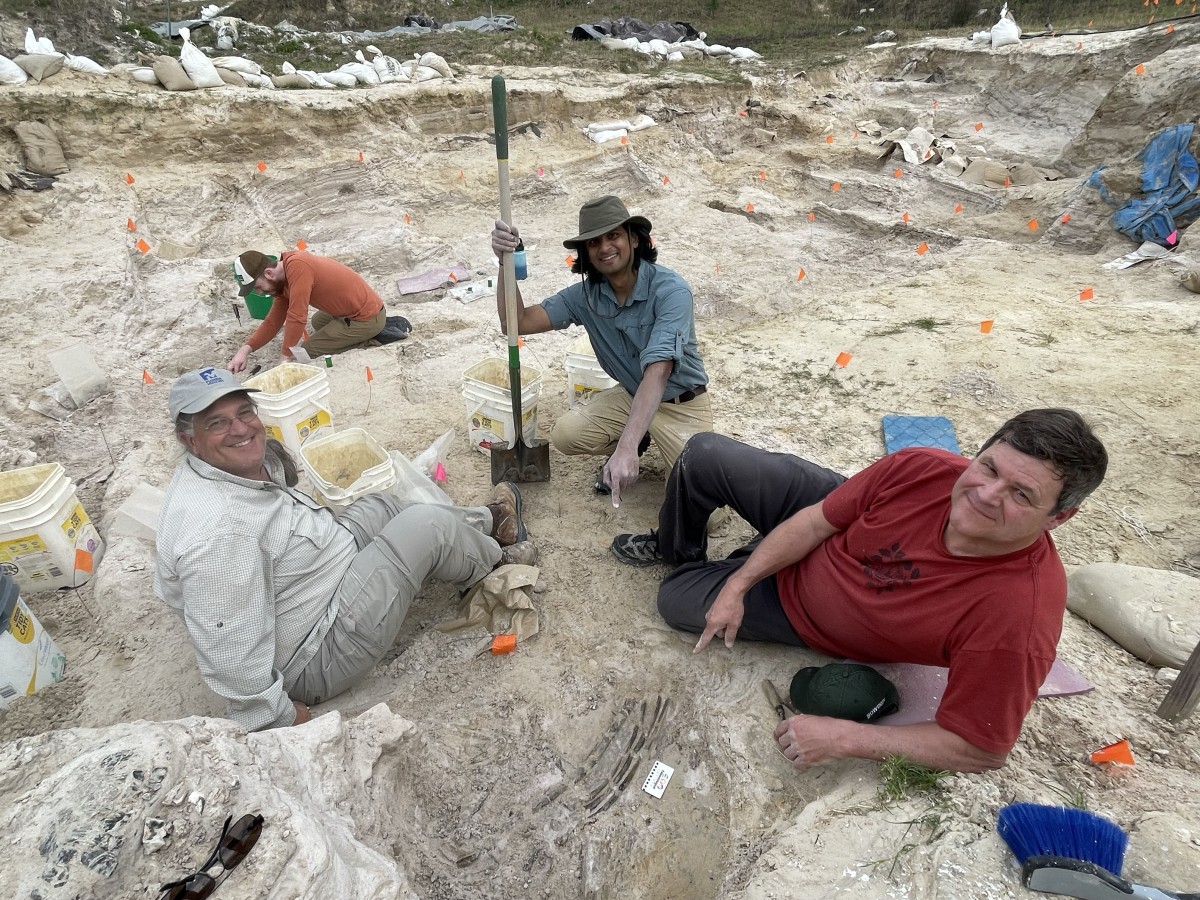
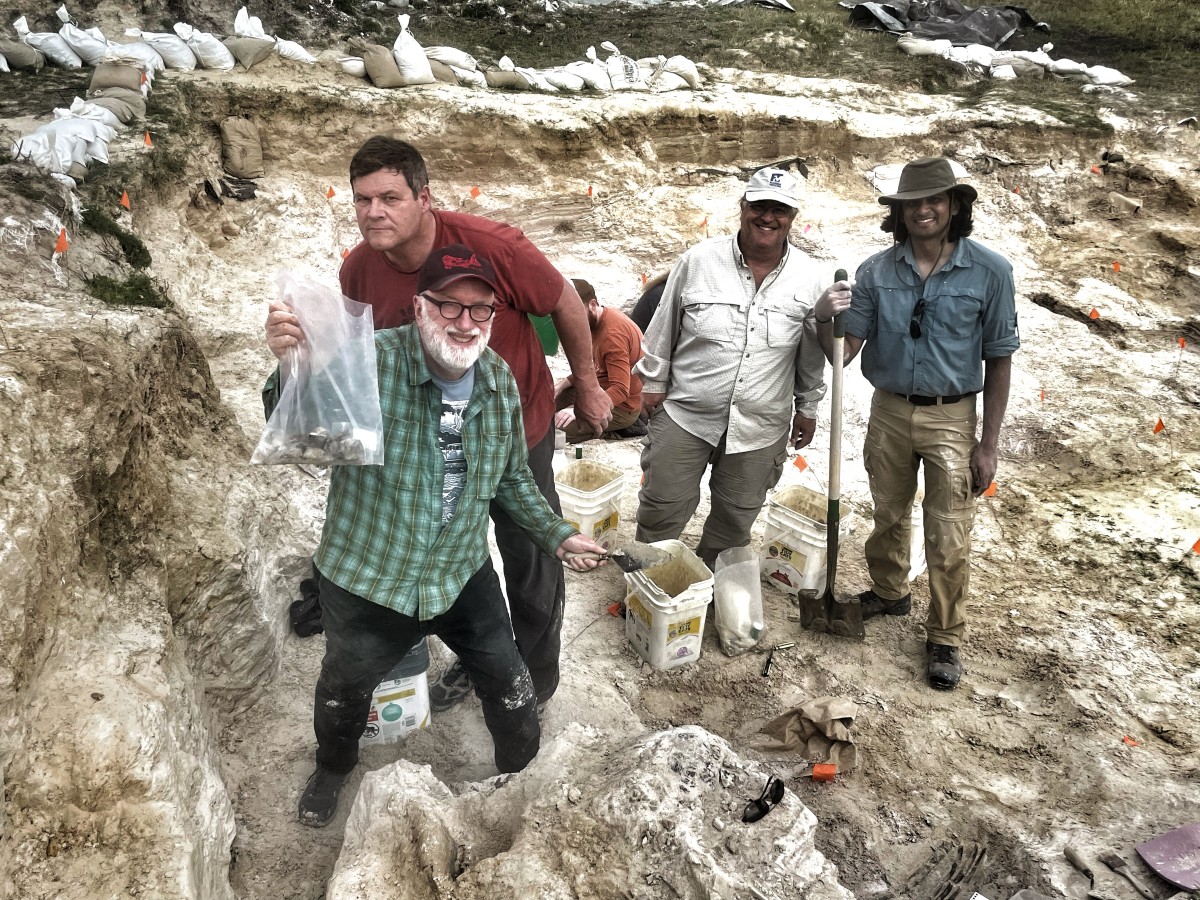
Jon currently works at the Montbrook fossil site, an ancient river system near the coast that is about 5.5 to 6 million years old, from the latest Miocene to earliest Pliocene.
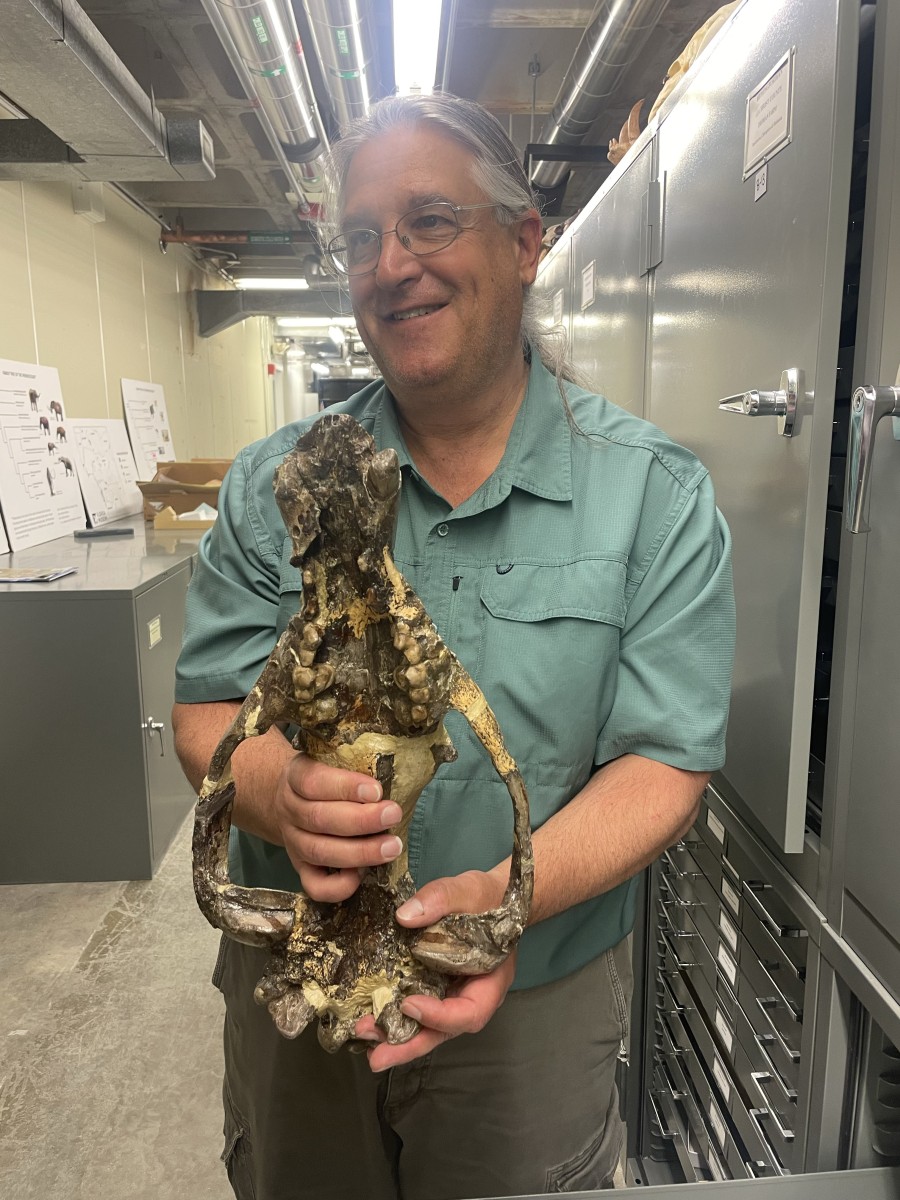
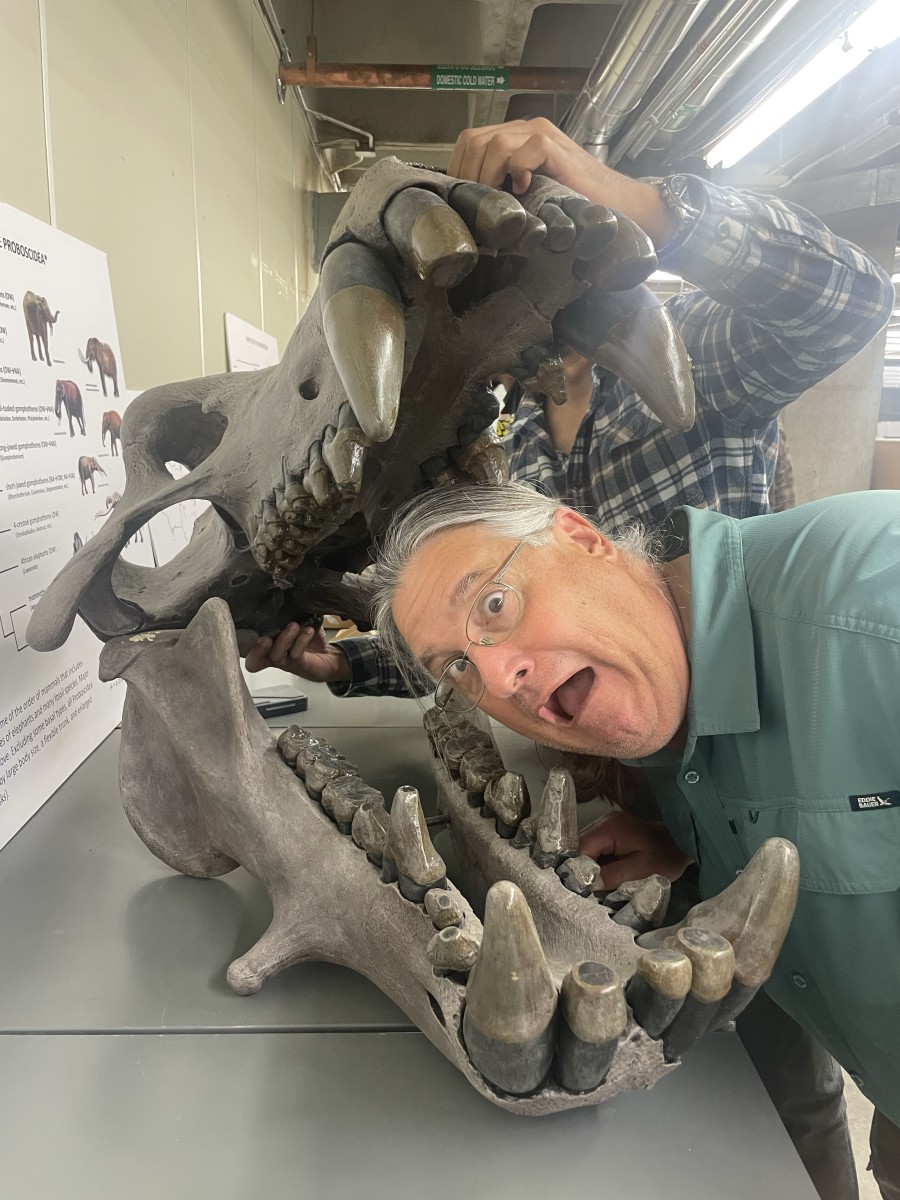
Jon's fieldwork has turned up fossils of gomphotheres, an extinct group of elephant relatives that first appeared in Africa during the Oligocene, spread into Eurasia and North America in the Miocene, and reached South America in the Pleistocene during the Great American Interchange.
A fossil family from India sheds new light on the origin of perissodactyls, the group that includes horses, rhinos, and tapirs, suggesting they arose in or near present day India.
MUSIC
Lovely Interlude by Ray Troll
Selected royalty free music by ZapSplat