09/30/2026
EP #102: The Spring the Dinosaurs Died and the Fossil Fish That Told the Story, with Paleontologist Melanie During
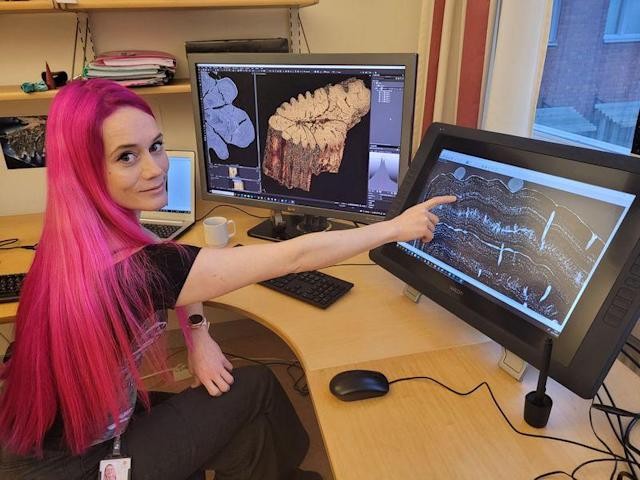
Ray and Dave talk with vertebrate paleontologist Melanie During, who read the growth rings in fossil fish from the Tanis site and pinned the death of the dinosaurs to a single spring, 66 million years ago.

EP #102: The Spring the Dinosaurs Died and the Fossil Fish That Told the Story, with Paleontologist Melanie During
PRE SHOW LINKS
Soft tissue almost never survives, which is why the preserved tube feet of a 450 million year old crinoid are such a stunner. Oklahoma paleontologists Lena Cole and David Wright found them on a Dendrocrinus simcoensis specimen that had been sitting in a small Montreal museum, making it only the second crinoid ever found with soft tissue intact, and by far the oldest.
LINKS
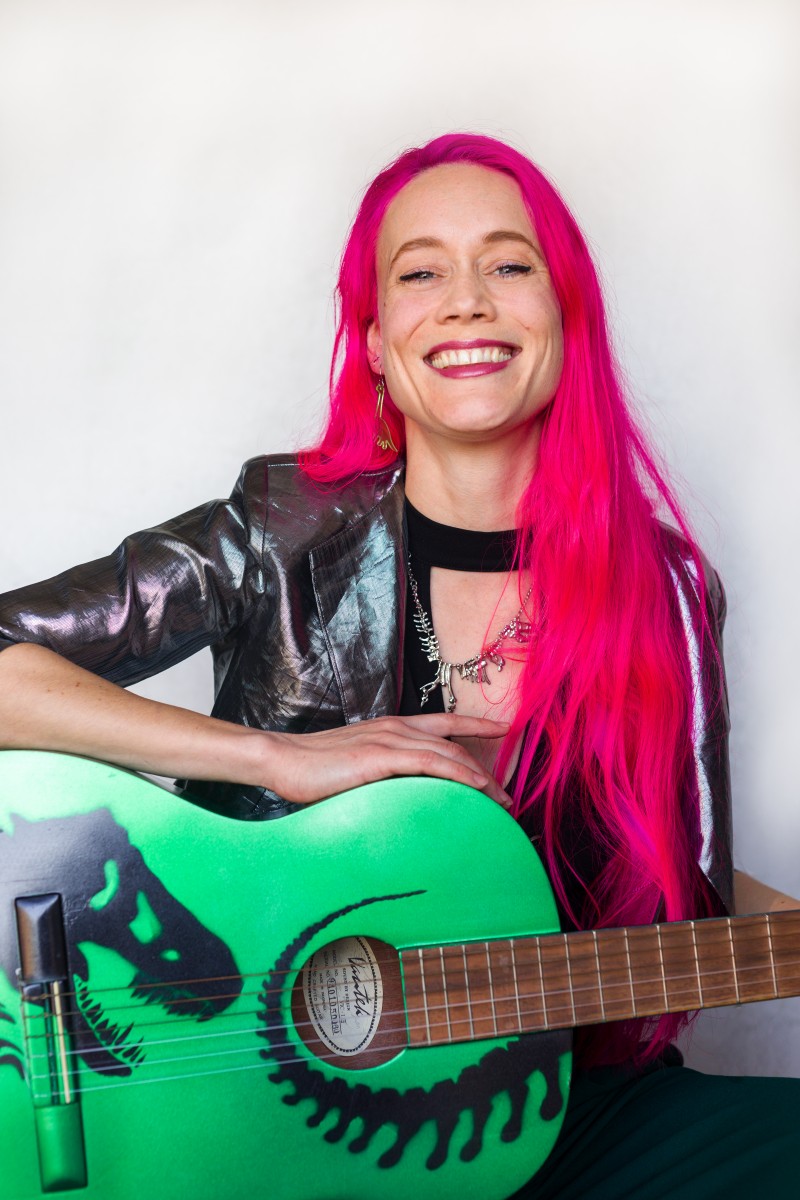
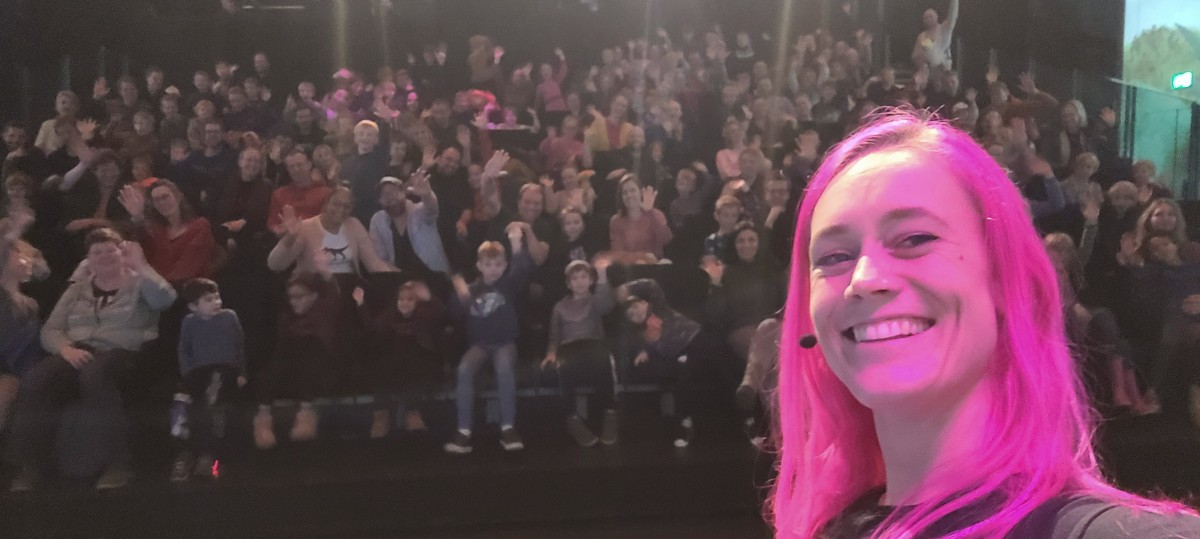
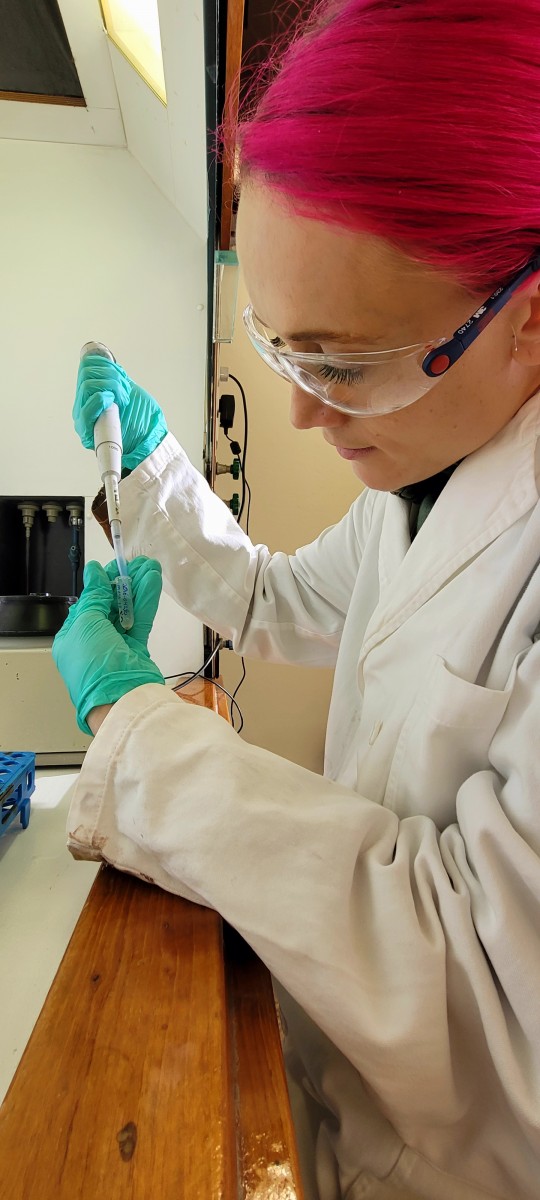
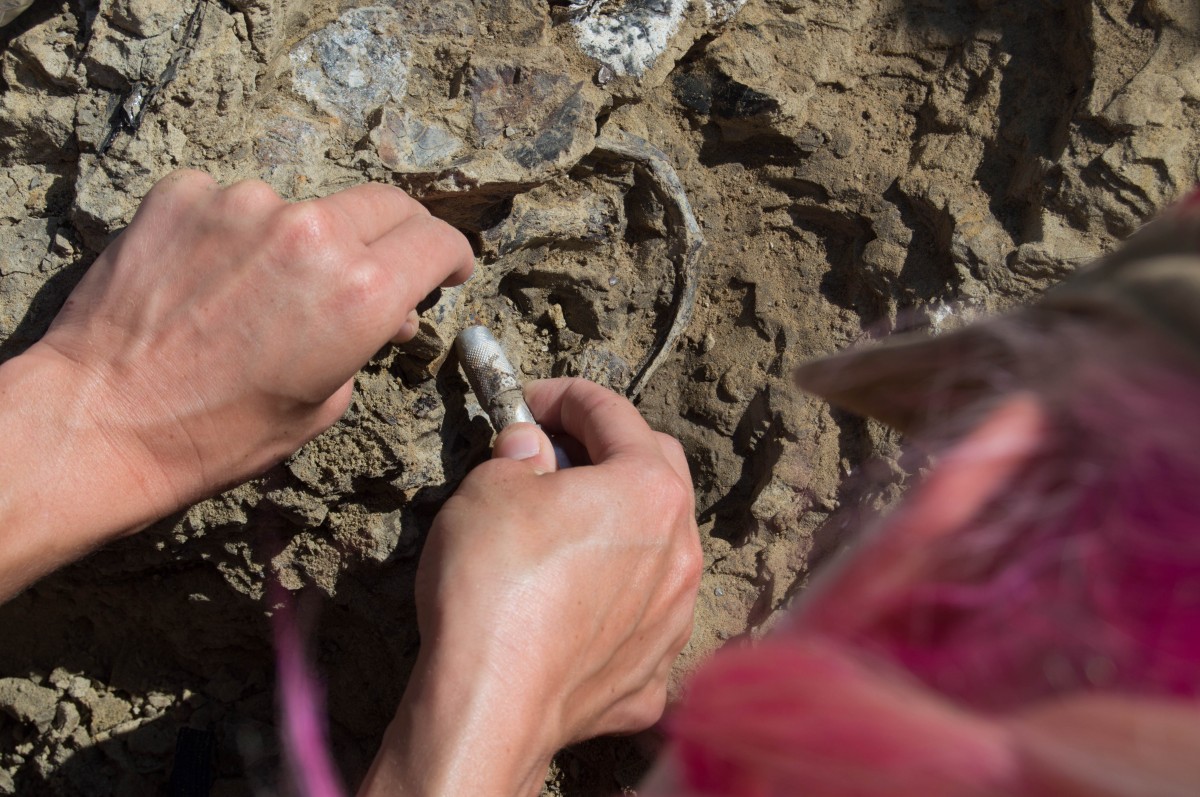
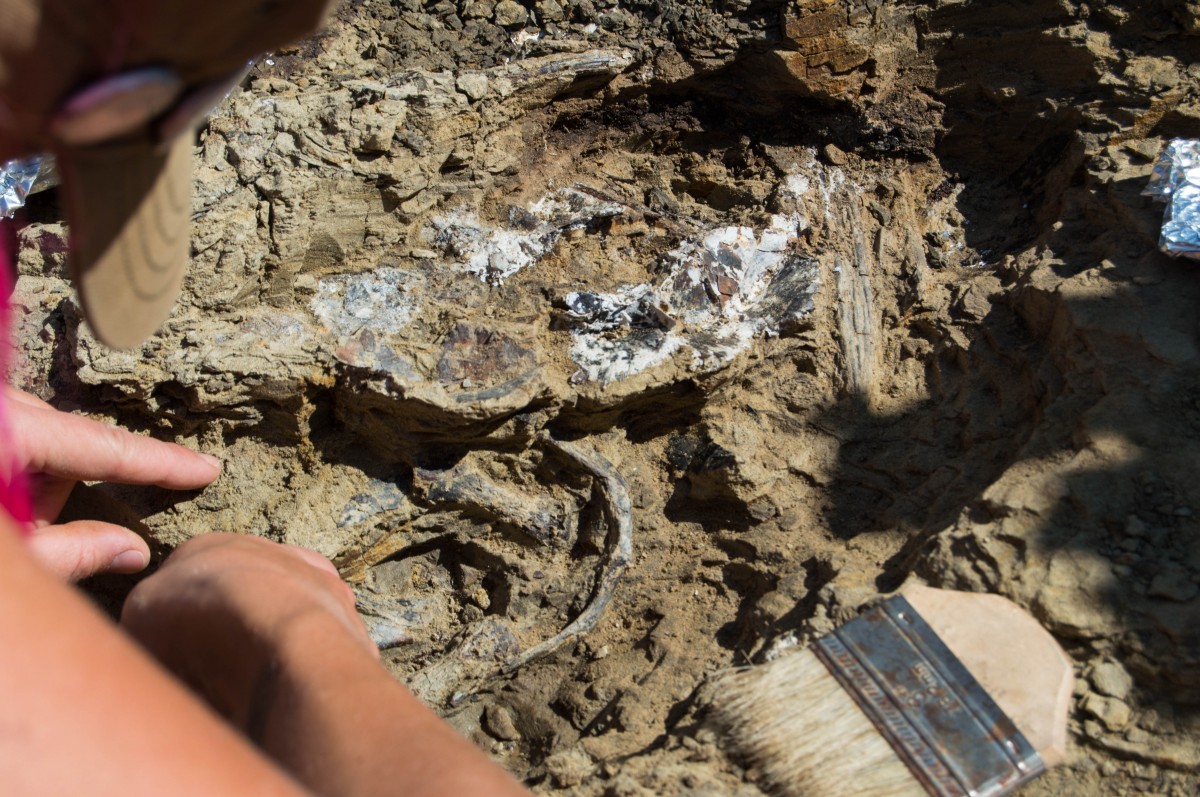
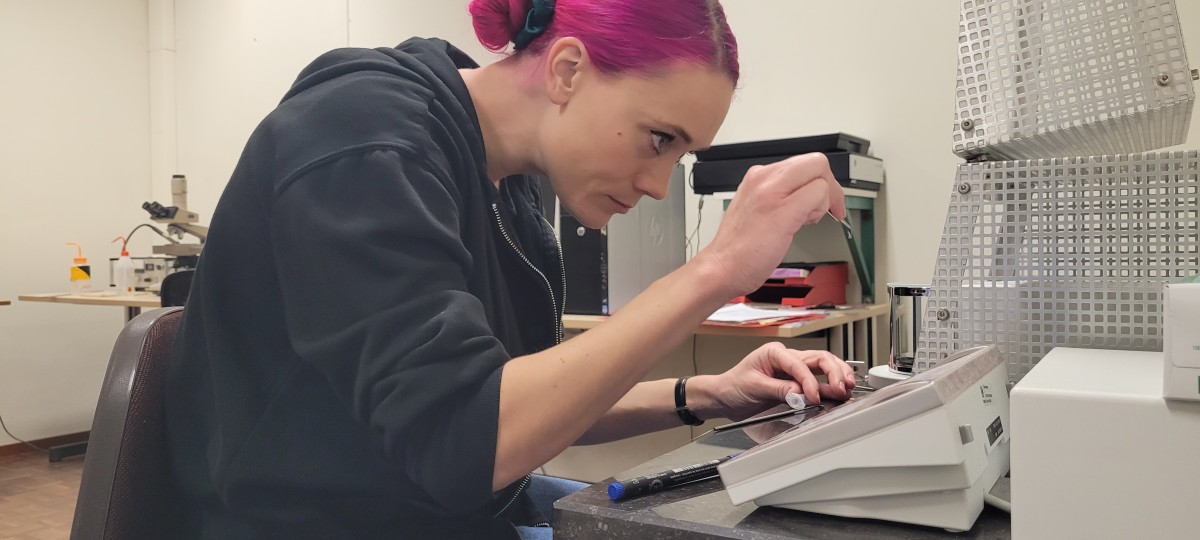
Melanie During is a vertebrate paleontologist. She obtained her PhD at Uppsala University, recently was employed as a lecturer at the Free University of Amsterdam and just started as a postdoctoral Fellow at Utrecht University in the Netherlands who specializes in life before and surrounding the Cretaceous/KPg extinction event.
Her 2022 paper in Nature makes the case that the Mesozoic ended in boreal spring, read out of the growth records locked inside fossil fish bone.
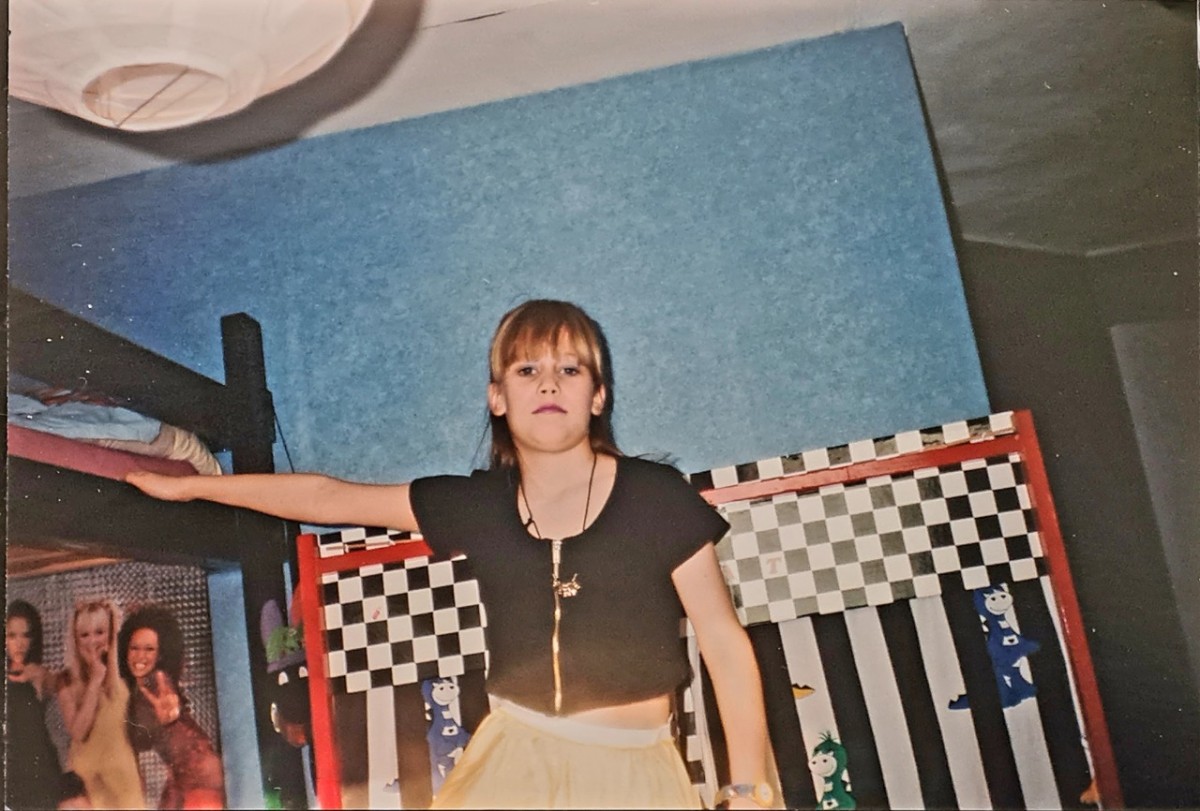
Melanie grew up in the Netherlands, and when she was about seven her municipality replaced the shells on the paths in the park she crossed on her way to school. She arrived at school hours late with her pockets full, and a trip to the library revealed that some of the shapes she did not recognize were fossils, including index fossils for the Miocene or the Eocene.
The Germanic Basin is a large region of Permian and Triassic sedimentation spread across western and central Europe, and its layered rocks are the backbone of European deep time.
Sitting in the middle of that stack is the Muschelkalk, German for shell bearing limestone, a Middle Triassic run of limestone and dolomite beds roughly 240 to 230 million years old that gives the Germanic Trias its middle chapter.
Melanie says sauropterygians are "Whack!", and Darren Naish explains why this strange clade of Mesozoic marine reptiles, which gathers plesiosaurs, placodonts, pachypleurosaurs and nothosaurs under one roof, earns the exclamation.
Nearly a dozen species of Nothosaurus are known, and the type species, N. mirabilis, was named in 1834 from the German Muschelkalk.
The placodonts were marine reptiles of shallow coastal water that made their living crushing hard shelled prey such as mussels and other bivalves, a habit paleontologists call durophagy.
One of the first organisms Melanie worked with was Rhynchosauroides peabodyi, a Triassic animal known only from its footprints and most likely a lepidosaur.
A defining moment in Melanie's career was meeting Jan Smit, whose research centers on the Cretaceous/Paleogene extinction event that ended the Cretaceous and took every non avian dinosaur with it.
The famous Tanis fossil site in North Dakota preserves deposits laid down in the minutes and hours after the asteroid struck the Yucatan 66 million years ago.
Tektites are gravel sized bodies of black, green, brown or grey natural glass, formed when terrestrial rock is melted and flung skyward by a meteorite impact.
Dutch astronaut Andre Kuipers demonstrated a bubble inside a bubble in orbit, a tidy demonstration of the uniform spheres that molten tektite glass forms before it rains back down.
The Deccan Traps in India erupted over a stretch of 600,000 to 800,000 years, roughly 66.3 to 65.6 million years ago, straddling the Cretaceous/Paleogene boundary and complicating any simple story about the end-Cretaceous mass extinction.
The washing machine churn of debris at Tanis has been attributed to a seiche, a standing wave sloshing back and forth in an enclosed body of water.
Seismic waves travel far enough to do this in real time, as this footage of seiche waves in a Norwegian fjord triggered by the 2011 Tohoku earthquake in Japan makes unnervingly clear.
Sturgeons and paddlefish, members of the ancient order Acipenseriformes, are among the fish found at the Tanis site and the animals whose bones carry the seasonal record.
Those fish were still breathing when the sky arrived, and the reconstruction of impact spherules lodged in a paddlefish gill raker shows exactly where the ejecta came to rest.
Melanie also studied the geochemistry, trackways and vertebrate fossils of the Winterswijk Quarry in the eastern Netherlands, one of the most globally significant Middle Triassic fossil sites, dating to the Anisian stage a little over 240 million years ago.
For the long version, Melanie walks through Tanis in exquisite detail, with video, on this Palaeocast episode. Paleo Nerds exists because Dave was listening to Palaeocast Podcast long before there was a Paleo Nerds podcast, so consider this a salute to the show that started it all. Thank you Dave Marshall!
In her TED talk Melanie lays out the findings and then tells the harder half of the story, how she stood her ground when a fellow researcher copied her work.
Given a time machine, Melanie would set it for the Solnhofen Limestone of Late Jurassic Germany, the lagoon deposit that preserved Archaeopteryx, because she wants to watch the mechanics of how the famous early bird actually got off the ground.
Dave and Ray try to describe a paddlefish on air, which is no small task for a fish that cruises through the water with a long flat snout packed with electroreceptors, sensing the faint electrical fields of the plankton it strains out of the current.
MUSIC
Trilobite/Ammonite by the Amish Robots
The Wait by Whiskey Class
Dayte by Whiskey Class