05/27/2026
Ep #98 How One Fossil Can Change a Life with Scott Williams
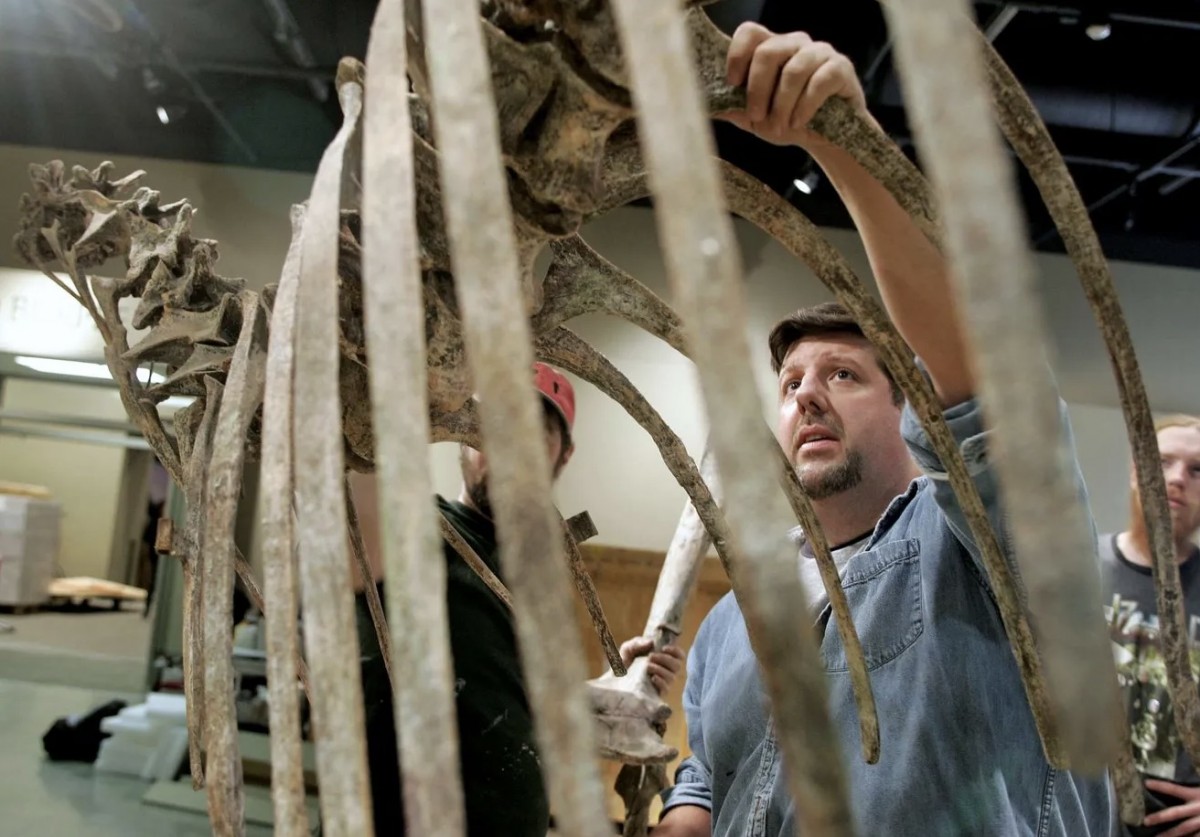
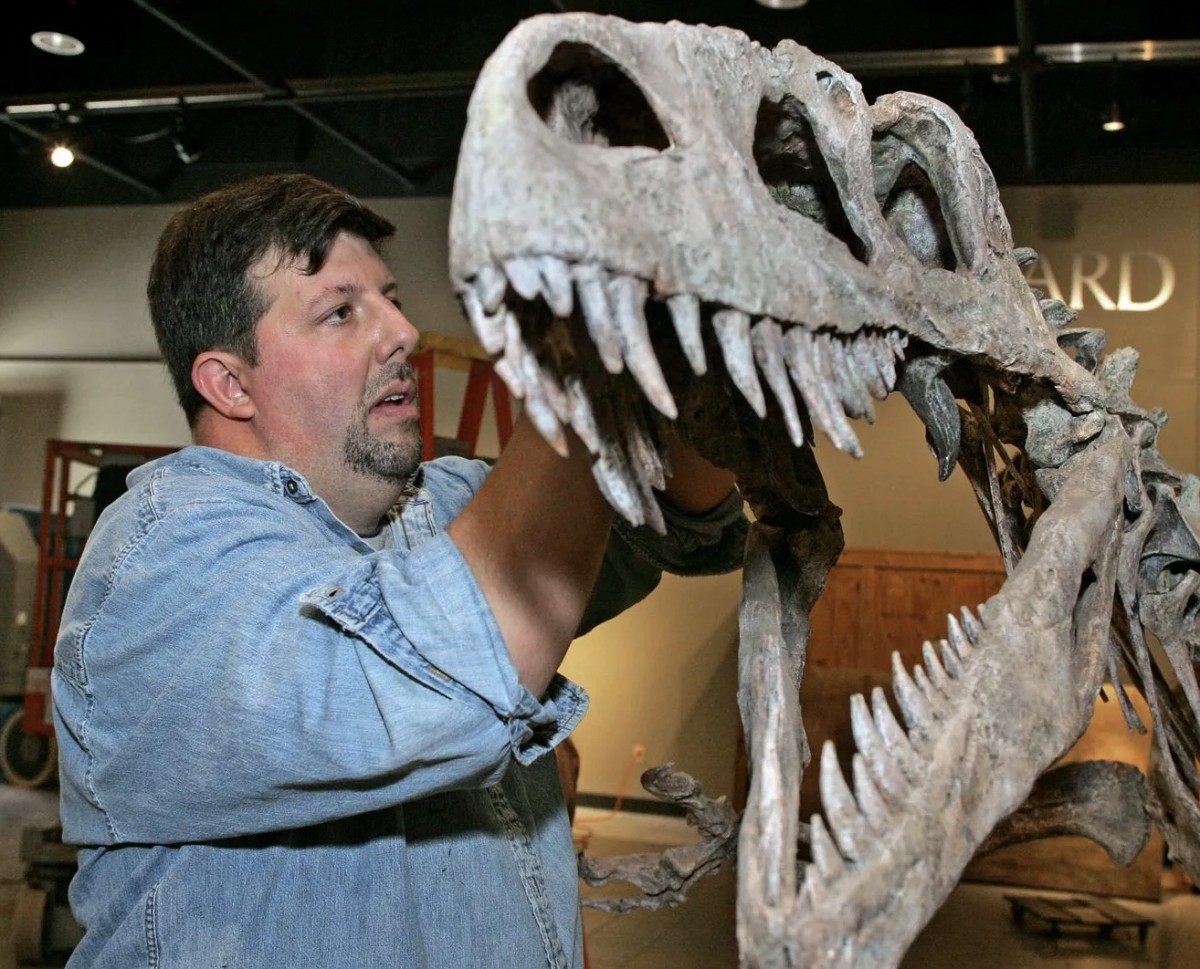
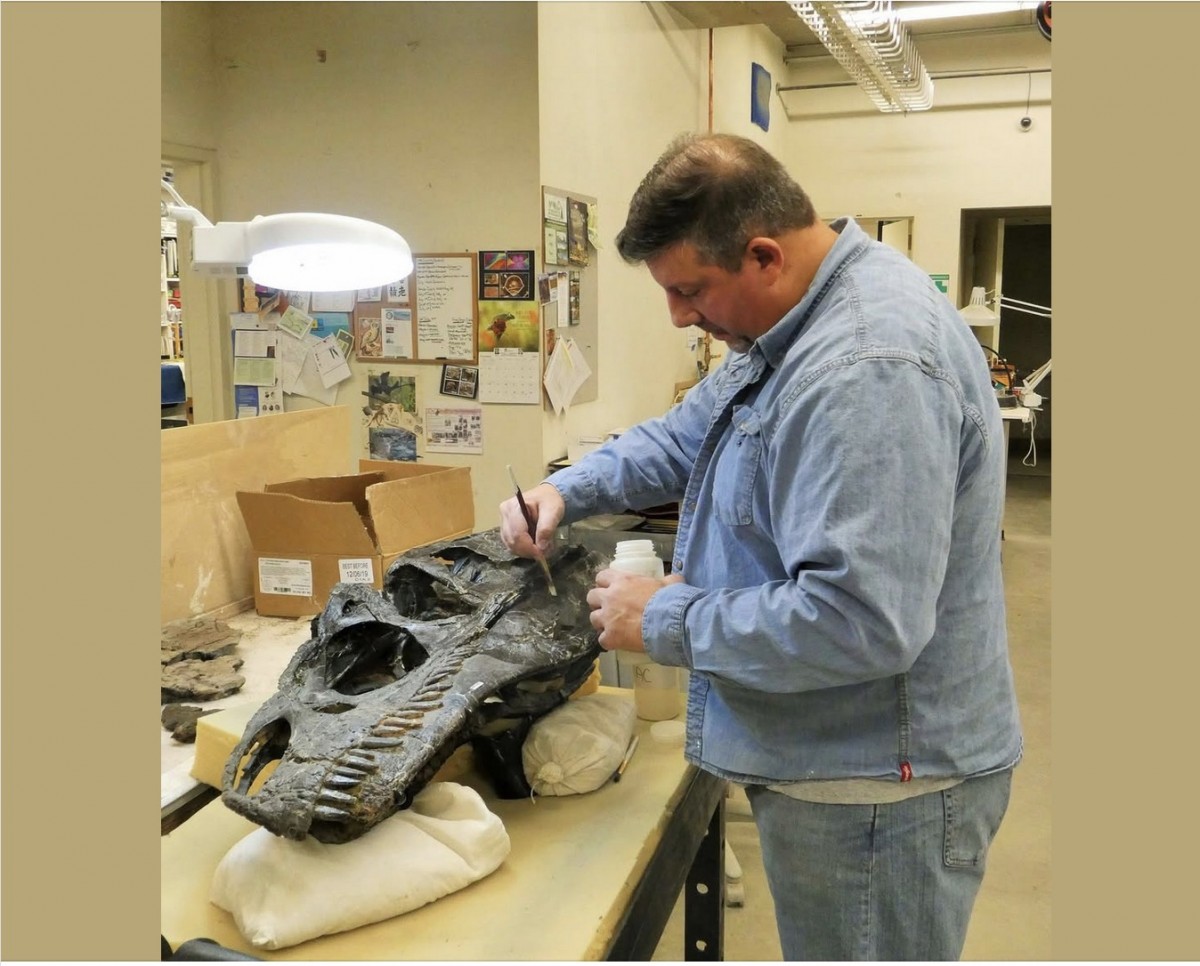
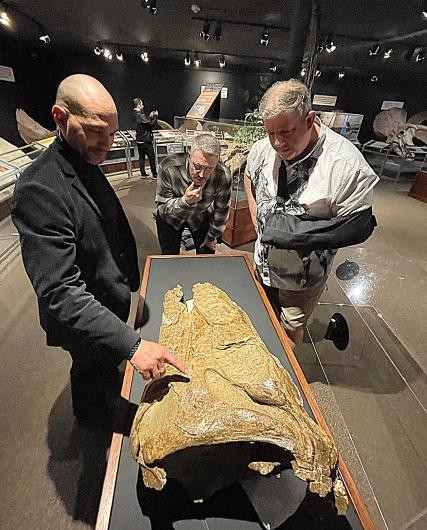
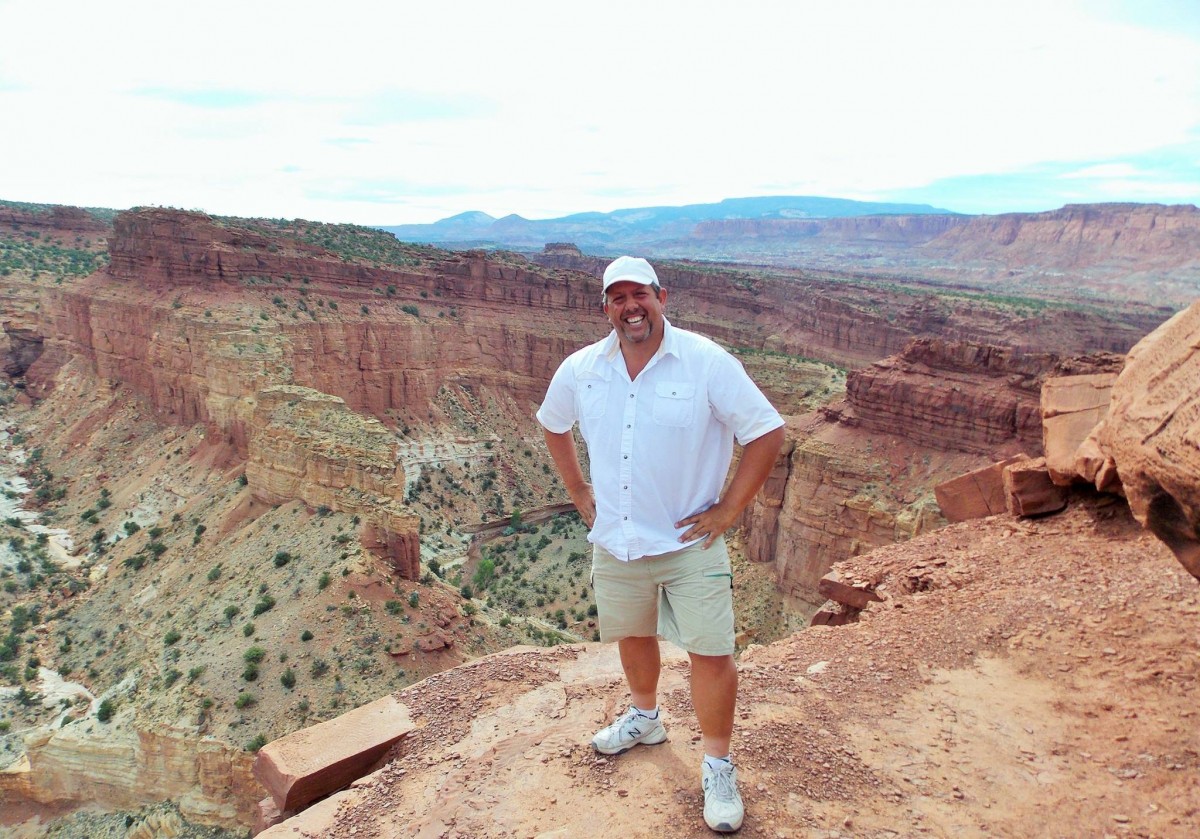
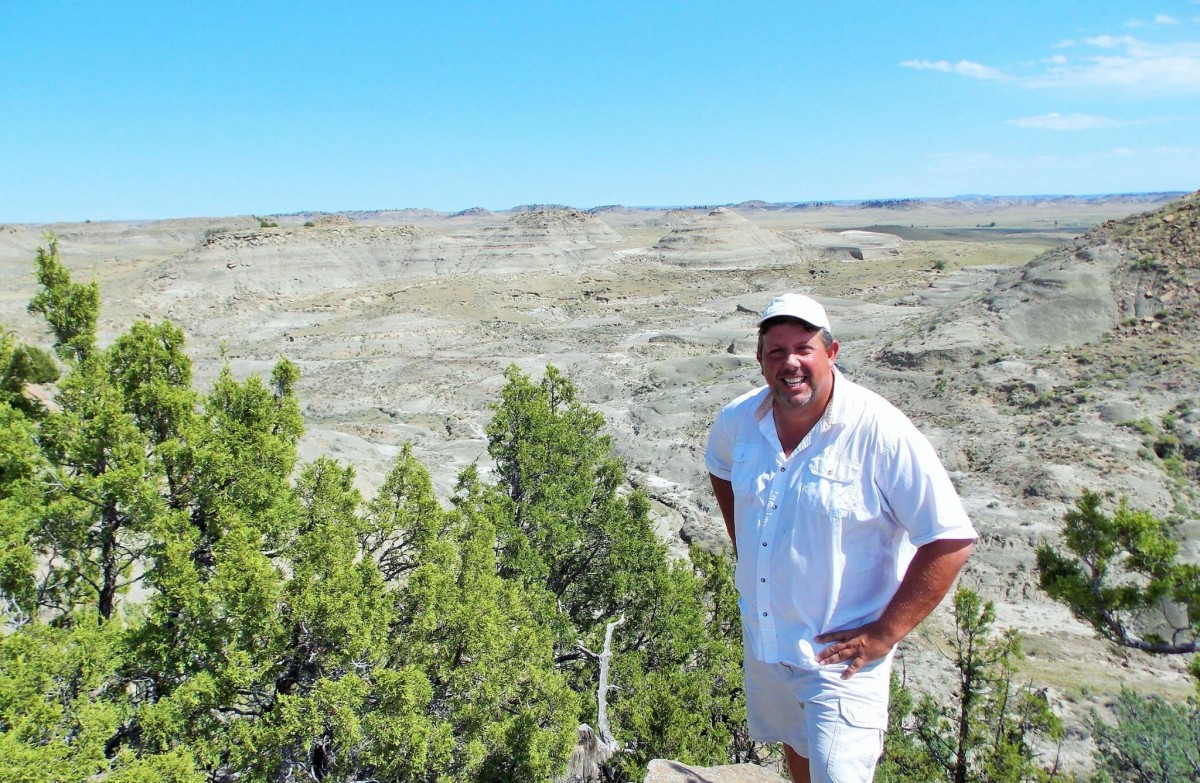
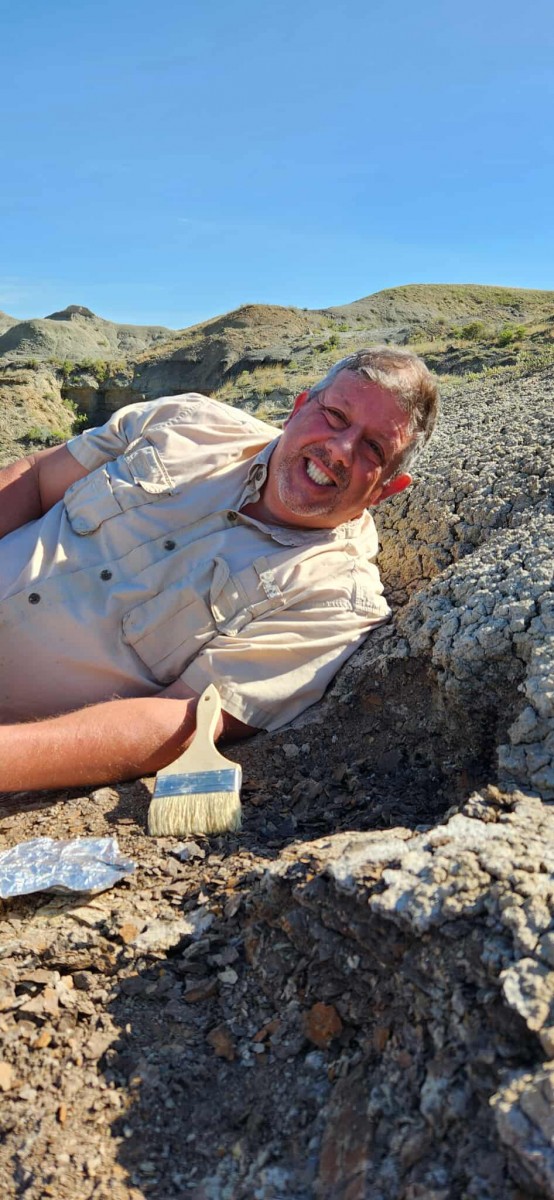
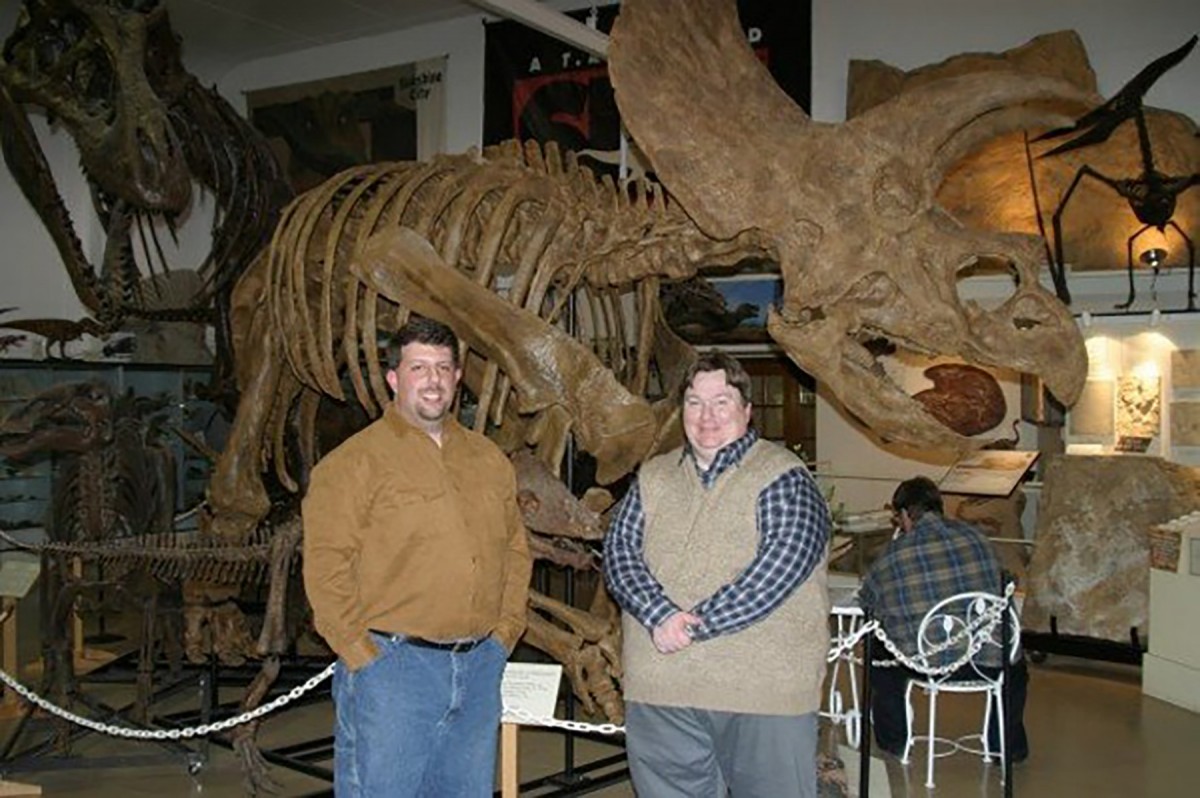
Ray and Dave interview field paleontologist and museum leader, Scott Williams, Senior Director of Exhibitions at the Museum of the Rockies whose work has helped uncover major Late Cretaceous fossils Including the famous tyrannosaurid, “Jane.”

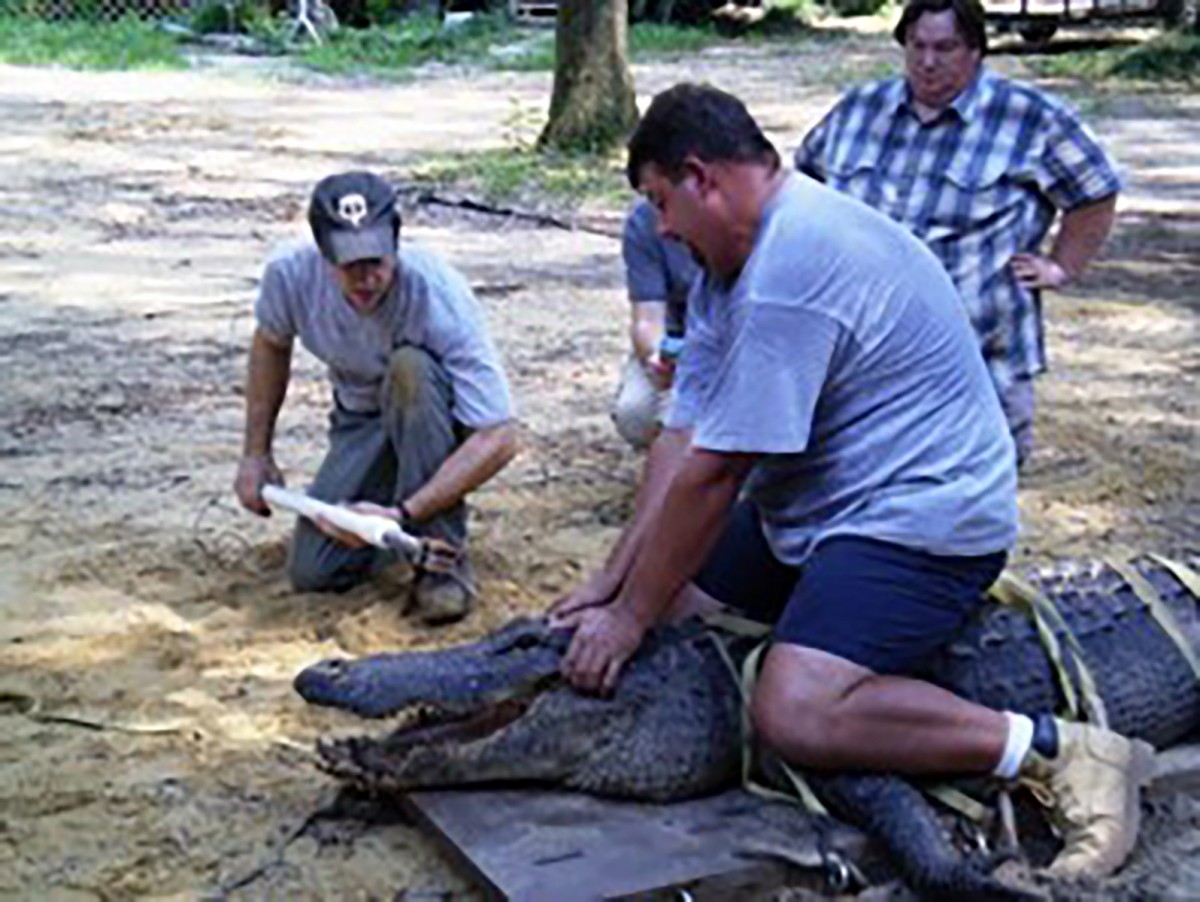
Ep 98 Paleo Nerds with Scott Williams
Scott Williams has spent decades turning a childhood passion for prehistoric life into a career at the forefront of dinosaur excavation and preparation. From backyard fossil hunting to working alongside some of paleontology's leading researchers, Scott's story is a testament to where curiosity and dedication can take you.
Pre Show Links
Dave went camping near Kennedy Meadows in the lower Eastern Sierra of California, a high desert transition zone at around 5,000 feet where pine scrub habitat borders the South Fork of the Kern River on Bureau of Land Management land, a region whose geology reflects the dramatic uplift and erosion history of the Sierra Nevada.
Ray's hometown of Ketchikan sits on Revillagigedo Island in southeastern Alaska, one of the largest islands in the United States, accessible only by air or sea and served by a single main road, making the open highways of Kansas something of a revelation for a man who currently lives in a place surrounded by water and old growth temperate rainforest.
Dave attended the Museum of the Rockies Dinos and More Festival, an annual public event featuring paleontologists, scientific lectures, community outreach, and a keynote banquet, bringing together researchers and enthusiasts for a full weekend dedicated to the science of prehistoric life.
Links during the Interview
Scott's first fossil finds were Ordovician trilobites from Illinois, marine arthropods that lived roughly 450 million years ago and are among the most diverse and successful animals in the fossil record, with over 20,000 known species spanning nearly 300 million years of Earth history.
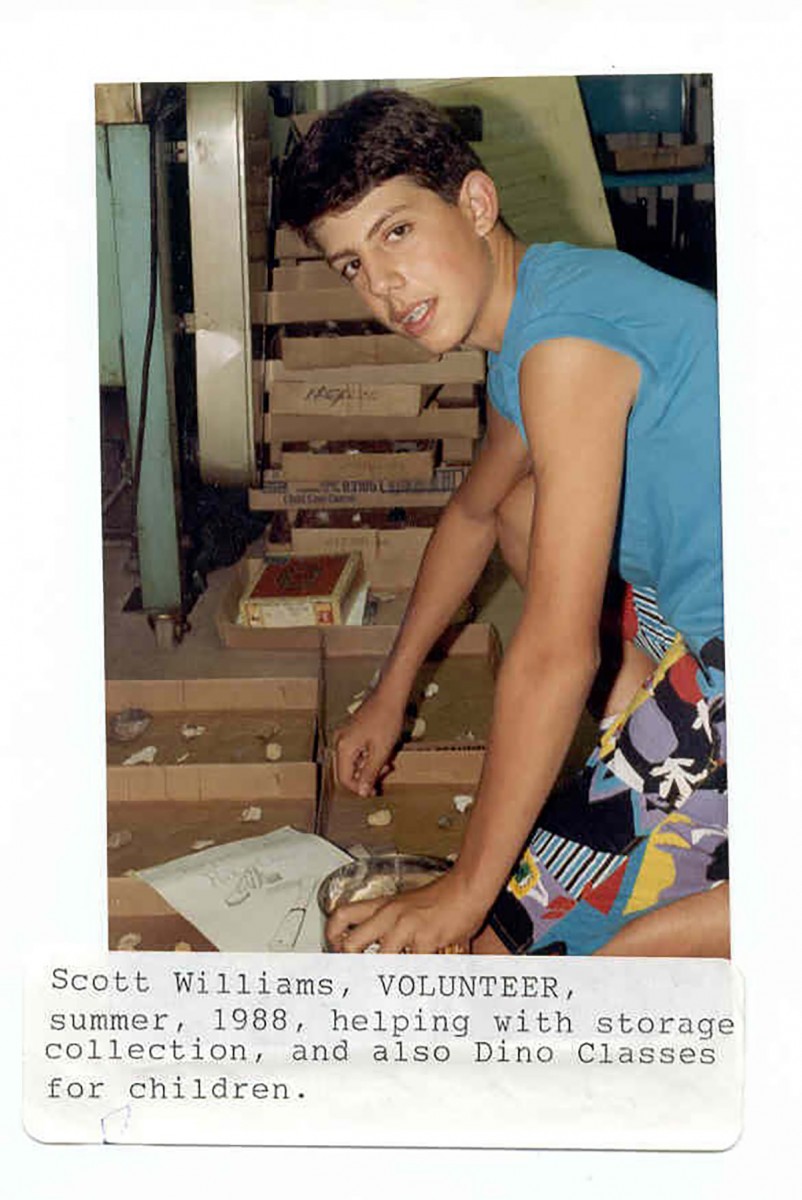
Scott's first step into paleontology as a volunteer was at the Burpee Museum of Natural History in Rockford, Illinois, a regional natural history museum with an active research program and a significant collection of dinosaur specimens, including the renowned tyrannosaurid known as Jane.
Scott and paleontologist Michael Henderson, once his mentor and now his colleague, discuss the ongoing scientific investigations at Hanksville-Burpee Dinosaur Quarry, a productive Late Jurassic site in Utah that has yielded sauropod and theropod material, contributing meaningfully to our understanding of Morrison Formation fauna.
The Mazon Creek Fossil Beds of northeastern Illinois are a remarkable Carboniferous-age Lagerstätte, where iron carbonate nodules have preserved soft-bodied organisms in exceptional detail, offering a rare window into marine and terrestrial ecosystems from approximately 309 million years ago.
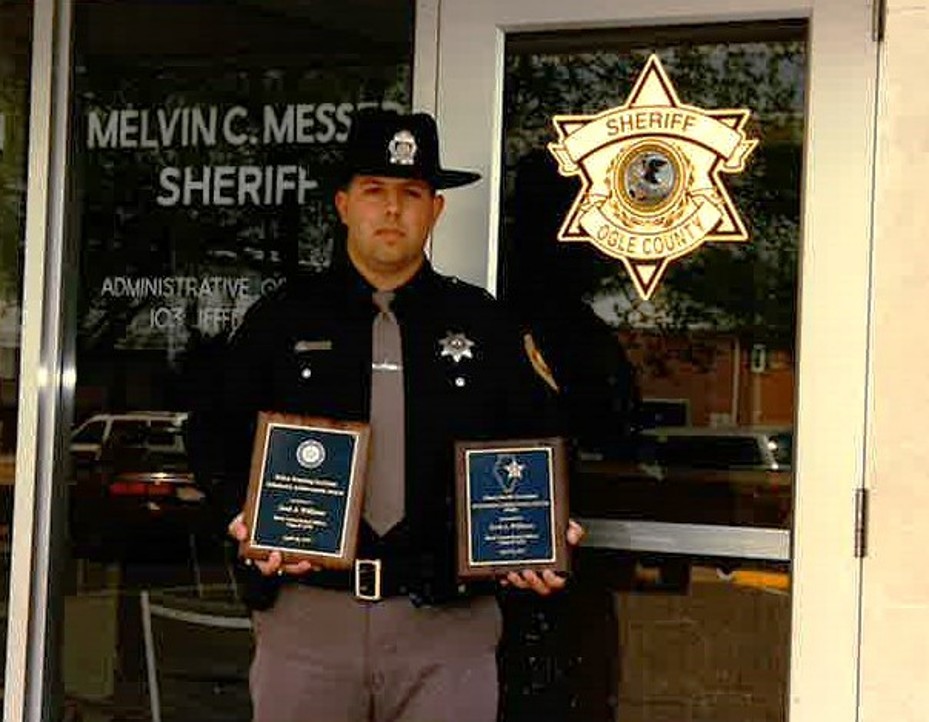
Ogle County, Illinois is where Scott spent years in law enforcement before his path led him fully into the world of paleontology.
The Carter County Museum in Ekalaka, Montana sits in one of the richest dinosaur fossil regions in North America. The Hell Creek and Lance Formations of southeastern Montana have produced significant Cretaceous specimens, and the museum holds a remarkable collection for a town of its size.
Theropod dinosaurs had hollow, air-filled bones, a trait shared with modern birds and linked to a highly efficient respiratory system. These pneumatized bones were connected to a network of air sacs, reducing skeletal weight while maintaining structural strength.
Dr. Philip J. Currie is one of the world's foremost authorities on theropod dinosaurs and played an important role in advising the Burpee team on Jane, a renowned tyrannosaurid whose exact taxonomic identity remains a subject of ongoing scientific debate.
Dane Johnson began his career as a graduate student at the Museum of the Rockies and has developed into both a highly regarded paleontological artist and a field leader, guiding public dig programs that connect communities directly with active fossil excavation.
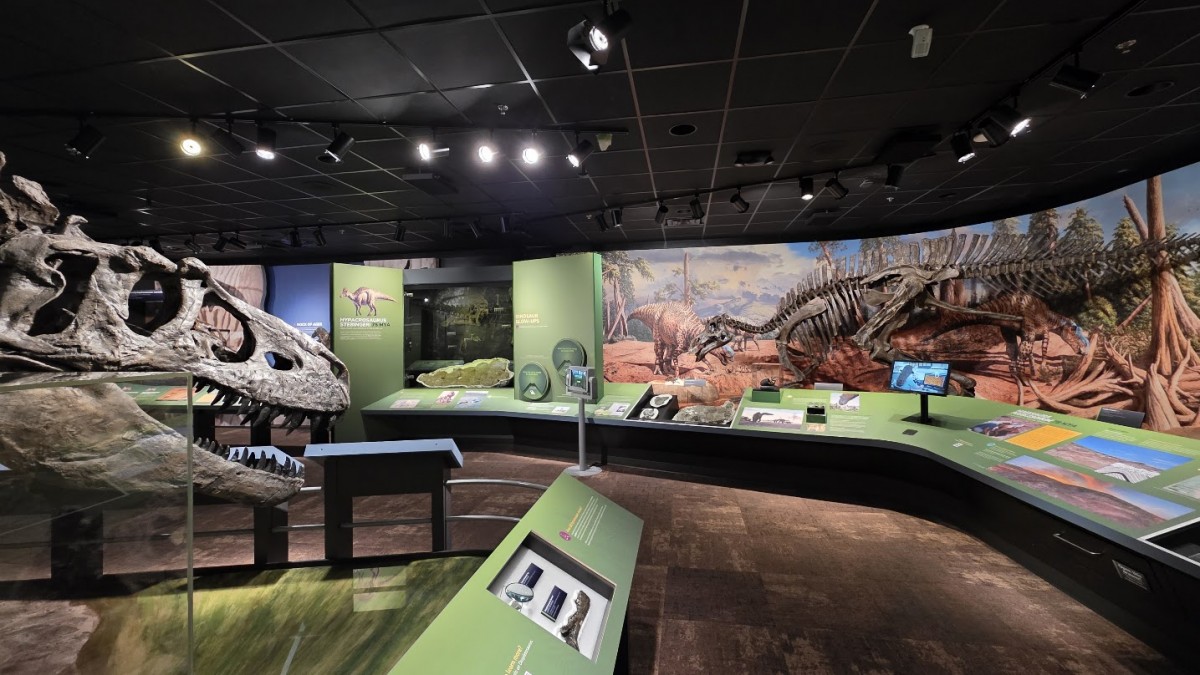
Scott brought in Blue Water Studio to assist with the design, fabrication and installation of the Cretaceous Crossroads exhibit at MOR.
All mounting for MOR's Cretaceous Crossroads was done by Research Casting International and Triebold Paleontology, two of the most respected fossil preparation and skeletal mounting firms in the world.
The stratigraphy and geologic history of the Montana Group is a foundational USGS publication documenting the sedimentary formations of Montana, Wyoming, and the Dakotas that have proven so productive for Late Cretaceous fossil discoveries.
Sue the T. rex Experience is a traveling exhibition from the Field Museum featuring one of the largest, most complete, and best-preserved Tyrannosaurus rex specimens ever discovered, allowing audiences across the country to encounter this iconic fossil firsthand.
Ray Troll's Sharkabet is a celebrated children's book that introduces young readers to the extraordinary diversity of sharks, living and extinct, through Troll's distinctive artistic style and deep knowledge of natural history.
The Bear Gulch fossil beds of Montana preserve a remarkably detailed snapshot of a shallow marine lagoon environment from approximately 323 million years ago, yielding exceptionally well-preserved fish and invertebrate specimens from the Carboniferous period.
Kallie Moore, a presenter on PBS Eons and a previous Paleo Nerds guest, will hopefully be working with Scott Williams on an upcoming project bringing together science communication and field expertise.
Wonderful Life: The Burgess Shale and the Nature of History is Stephen Jay Gould's influential 1989 examination of the Cambrian fossil assemblage preserved in the Burgess Shale of British Columbia, exploring what these ancient organisms reveal about the contingency and unpredictability of evolutionary history.
MUSIC
Summertime by the Amish Robots
Sleep on my Feet by Whiskey Class
Slipstream by Don Kenoyer
Karpinsky's Lament by Russell Wodehouse